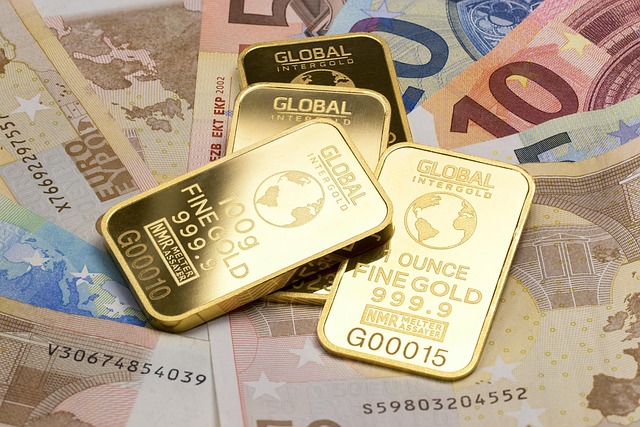
Let’s talk about gold. That shiny, yellow, indestructible metal that has caused more trouble throughout history than a teenager with a credit card. It’s been the root of empires, the ruin of kings, and the reason your eccentric uncle Dave has a bunker full of coins he claims will be the “only real currency when it all goes south.”
Investing in gold can feel like stepping into a time machine. One minute you’re a modern investor with a smartphone and a Robinhood account, and the next, you’re a medieval alchemist trying to spin lead into, well, gold. So, is it a brilliant hedge against the apocalypse or a glittering trap for the naive? Let’s dig in (pun intended).
Part 1: Why Gold? The Case for the Original Rock Star
Before we get into the “how,” let’s talk about the “why.” Why does this particular element, atomic number 79, hold such a powerful sway over our wallets and imaginations?
1. The “Sky is Falling” Insurance Policy:
When headlines scream about inflation,political instability, or stock market crashes, people don’t typically rush to buy tech stocks. They buy gold. For thousands of years, gold has been the ultimate panic room. It’s what you flee to when paper money starts to look as reliable as a chocolate teapot. It’s the asset that doesn’t have a counterparty risk—meaning no one can promise to pay you; you just have it. It’s the financial equivalent of keeping a fire extinguisher in your kitchen. You hope you never need it, but you’ll be profoundly grateful it’s there if the stove catches fire.
2. The Grand Illusion of “Intrinsic Value”:
A stock is a share in a company that can go bankrupt.A bond is an IOU from a government that can print more money to devalue it. A dollar bill is… well, fancy linen with a dead president’s face. But gold? Gold is gold. It’s shiny, dense, and fantastic for conducting electricity and making jewelry. It doesn’t corrode. You can’t print more of it (unless you have a star handy for a supernova). This gives it a perceived “intrinsic value” that feels more real than the abstract numbers in your bank account. It’s the ultimate “something” in a world full of “concepts.”
3. The Diversification Dynamo:
In the world of investing,putting all your eggs in one basket is a great way to make an omelet of regret. Gold often (but not always) moves inversely to the stock market. When stocks are having a party, gold might be sitting in the corner looking bored. But when stocks are falling out of a window, gold is often the one catching them. Adding a slice of gold to your portfolio can be like adding a pinch of salt to a recipe—it doesn’t make up the whole meal, but it makes everything else taste better by smoothing out the overall flavor of your returns.
Part 2. The Golden Smorgasbord: How to Get Your Hands on Some
So, you’re convinced. You want a piece of the pie—the very heavy, non-edible, yellow pie. Here are the main ways to buy it, each with its own quirks.
1. Physical Gold: The “You Can’t Hack This” Approach
This is what Uncle Dave loves.The tangible stuff.
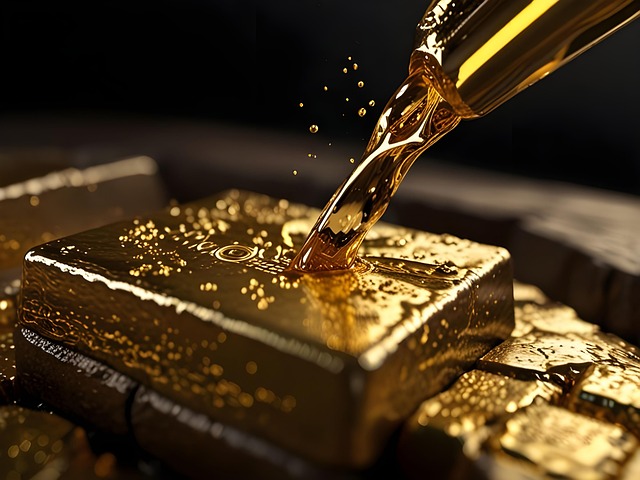
· Bullion Bars: The classic. You get a heavy, satisfying brick of pure value. It makes you feel like a pirate or a Bond villain. Downside: Storing it requires a safe (and possibly that bunker). Insuring it costs money. And if you need to sell a small portion, you can’t just snap off a corner like a piece of chocolate.
· Gold Coins (e.g., American Eagles, Canadian Maple Leafs): The more practical cousin of the bar. They are legal tender (with a face value far below the metal value—a $50 American Eagle coin is worth over $2,000 in gold), easily recognizable, and easier to sell in smaller amounts. The Fun Factor: High. There’s a certain joy in clinking coins together in your hand.
The Bottom Line on Physical Gold: It’s great for the “end-of-the-world” premium and the cool factor, but it comes with the hassle of storage, insurance, and a higher markup (the “dealer premium”) over the spot price.
2. Paper Gold: The “I Don’t Want a Safe” Approach
For those who like the idea of gold but don’t want to actuallyhold it.
· Gold ETFs (like GLD or IAU): This is the most popular way for everyday investors to buy gold. You buy a share in a fund that holds giant vaults of physical gold bullion in London. It’s as easy as buying a stock. Pros: Incredibly liquid, no storage worries, low expenses. Cons: You don’t own the metal; you own a paper claim on it. If you’re preparing for a total systemic collapse, the argument is that this paper might become worthless. But for 99.9% of scenarios, it’s perfectly fine.
· Gold Mining Stocks: Here, you’re not buying gold; you’re buying companies that dig it out of the ground. This is a crucial distinction. You’re investing in a business. This means you’re exposed to management competence, political risk in the country they’re mining, and operational issues (a mine collapse is bad for business). The upside? These stocks can amplify the price of gold—if gold goes up 10%, a good miner’s stock might go up 30%. The downside? If gold goes down, the stock can get obliterated. It’s a levered bet on gold.
3. The Digital & Quirky
· Digital Gold (e.g., Paxos Gold – PAXG): A modern twist. Each token is backed by one fine troy ounce of a London Good Delivery gold bar, stored in a Brink’s vault. You can trade it like a crypto asset but it represents real gold. It’s for the tech-savvy investor who loves blockchain but trusts ancient metals.
· Jewelry: As an investment? Generally terrible. The craftsmanship premium is enormous. You’re buying art, not an asset. It’s like buying a car and expecting the price of steel to determine its value.
Part 3. The Golden Rules: Strategy & Savvy Advice
Okay, you have the menu. Now, here’s how to order without giving your financial future indigestion.
1. Size Matters: Don’t Gild Your Entire Portfolio.
This is the most important rule.Gold should be a complement to your portfolio, not the main course. Most financial advisors suggest an allocation of 5-10%, maybe up to 15% for those with a very strong conviction about impending doom. Any more than that, and you’re not an investor; you’re a speculator with a theme.
2. Timing the Market is a Fool’s Game.
Trying to guess the peaks and troughs of gold is like trying to tell the mood of a cat—it’s often irrational and prone to sudden scratches.The price is driven by global fear, interest rates, the U.S. dollar, and central bank buying. Are you an expert on all that? Didn’t think so. The best strategy is often dollar-cost averaging—buying a little bit at regular intervals, regardless of the price. This smooths out the volatility and saves you from the stress of trying to be a psychic.
3. Understand its “Achilles Heel.”
Gold has a dirty secret:it’s a dead asset. It doesn’t produce anything. A stock pays dividends. A bond pays interest. A rental property generates rent. Gold just sits there, shiny and silent. Its only hope for profit is that someone else will pay more for it in the future. This is called the “greater fool” theory. In the long run, productive assets like stocks have historically outperformed gold by a wide margin. Gold is a store of value, not a creator of value.
4. Keep the “Why” in Mind.
Are you buying it as a short-term speculative trade?Or as a long-term insurance policy? Your answer determines your strategy. If it’s insurance, you stop worrying about the day-to-day price. You just buy it, forget you have it (in a safe place, of course), and check back in a decade.
The Final Verdict: To Shine or Not to Shine?
Gold is not “fool’s gold,” but it can make a fool out of an unprepared investor. It’s a primal, emotional, and often misunderstood asset.
For the modern investor, the sweet spot is likely a small, strategic allocation through a simple, low-cost Gold ETF. It gives you the exposure without the hassle. It’s the financial equivalent of having a good insurance policy and a diversified diet.
So, go ahead, add a little glitter to your portfolio. Just don’t be the person who blinds themselves with it. After all, the true value of an investment isn’t just its shine, but the peace of mind it brings.
Now, if you’ll excuse me, I need to go check on my ETF. And maybe call Uncle Dave to see what’s new in the bunker.