Blog

  • Fool’s Gold or Smart Bet? A (Somewhat Irreverent) Guide to Investing in the Yellow Metal

    Fool’s Gold or Smart Bet? A (Somewhat Irreverent) Guide to Investing in the Yellow Metal

    Let’s talk about gold. That shiny, yellow, indestructible metal that has been driving humans crazy with desire since a cavman first stumbled upon a nugget and thought, “Ooh, pretty.” It’s been the cause of rushes, the root of empires, and the standard by which we measure a truly successful pirate.

    But in today’s world of crypto-kitties, NFTs, and meme stocks, does this ancient relic still have a place in your portfolio? Or are you just digging a hole for your money that’s fancier than most? Strap in, because we’re about to go panning for financial truths—and hopefully have a laugh along the way.

    Part 1: Why Gold? The Case for the Original Rock Star

    Before we get into the “how,” let’s talk about the “why.” Why does this particular element, atomic number 79, hold such sway over us?

    1. The Drama Queen of Assets: A Safe Haven in a Storm
    When the world goes to pot,gold shines. Stock market crashing? Pandemic sweeping the globe? Politicians acting like teenagers on reality TV? In times of sheer panic, investors perform what is known as a “flight to quality.” They sell their risky stocks and run towards something they perceive as safe. And for millennia, that something has been gold. It’s the financial equivalent of hiding under a solid oak table during a hurricane. It might not be exciting, but it feels a whole lot safer than standing outside.

    2. The Granddollar of Inflation Hedging
    Imagine you had a time machine and went back to 1920 with a$100 bill. You could have bought a fine suit, a nice hat, and probably a small car. Now, bring that $100 bill to 2024. You might get the hat. This is inflation—the silent thief that erodes your purchasing power. Gold, however, has a pretty good track record of keeping up. While the value of paper currency can be printed into oblivion, you can’t print gold (despite what alchemists claimed). It’s a tangible store of value that says, “Your paper money is just a promise; I am the real deal.”

    3. It Doesn’t Play Well with Others (Low Correlation)
    In the world of investing,”diversification” is your best friend. It’s the financial version of not putting all your eggs in one basket. Gold has a beautiful characteristic: it often zigs when the stock market zags. When tech stocks are tanking, gold might be having a party. This doesn’t happen all the time, but when it does, it can smooth out your portfolio’s rollercoaster ride, preventing you from losing your lunch (and your net worth) during a downturn.

    Part 2. The Golden Smorgasbord: How to Get Your Hands on Some

    So, you’re convinced. You want a piece of the rock. How do you get it? You have options, from the wildly simple to the comically complex.

    1. The Pirate’s Choice: Physical Gold
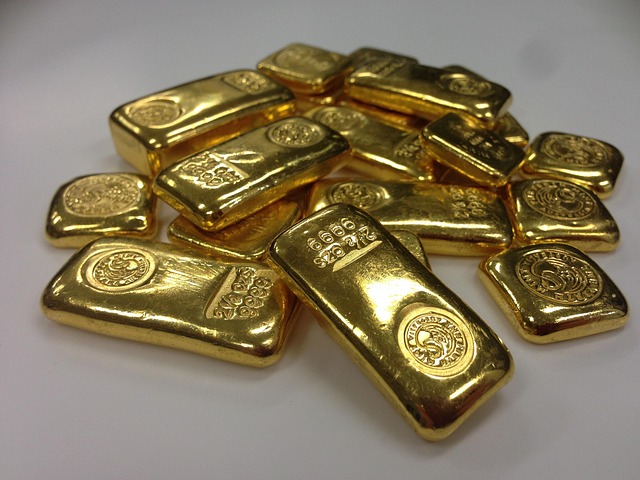
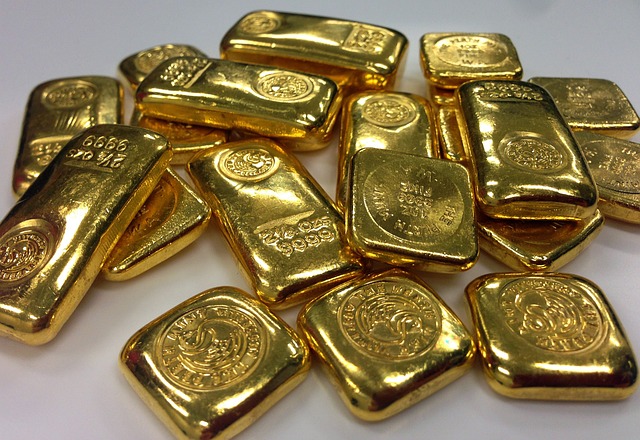
    This is for those who get a thrill from holding a piece of history.We’re talking coins (like the American Eagle or Canadian Maple Leaf) and bars (from a cute 1-gram bar to a “good luck moving this” 400-ounce brick).

    · The Good: It’s real. You can touch it, bite it (though we don’t recommend it), and hide it in your backyard from… you know… them.
    · The Bad: It comes with hassles. You need a secure safe (not the cookie tin in the pantry). You have to insure it. There’s a “spread” between the buy and sell price, meaning it has to appreciate just for you to break even. And if you ever need to sell a large bar, good luck finding a buyer who isn’t a supervillain.

    2. The Paper Pusher’s Shortcut: Gold ETFs
    For the rest of us who don’t have a personal vault,there’s the Gold ETF (Exchange-Traded Fund). The most popular is the SPDR Gold Shares (GLD). When you buy a share of GLD, the fund holds actual physical gold in a massive London vault on your behalf.

    · The Good: It’s incredibly easy. You buy and sell it like a stock from your brokerage app. No safes, no insurance, no worries about authenticity.
    · The Bad: You never get to touch the gold. You own a paper claim to it. It’s like owning a title to a castle you’ll never visit. Also, there’s a small annual fee (expense ratio) for the convenience.

    3. The Gambler’s Game: Gold Mining Stocks
    This is where things get spicy.Instead of buying the metal, you buy shares in companies that dig it out of the ground.

    · The Good: Leverage. If the price of gold goes up 10%, a mining company’s profits might go up 30%, and its stock could soar. It’s like adding rocket fuel to your gold investment.
    · The Bad: You’re not just betting on gold; you’re betting on a company. A mining strike, a costly accident, bad management, or an environmental disaster can sink the stock even if the gold price is rising. You’ve traded a pure gold bet for a business bet.

    4. The Digital Alchemist: Crypto-Gold Tokens
    For the truly modern investor,there are now digital tokens backed by physical gold. It’s like an ETF on the blockchain.

    · The Good: Combines the ancient value of gold with the efficiency of crypto.
    · The Bad: You now have the volatility of crypto and the stability of gold in one asset. It’s a strange hybrid that’s still proving itself.

    Part 3. The Golden Rules: A Dose of Reality

    Before you mortgage your house for a gold-filled swimming pool, let’s get real.

    · It’s a Insurance Policy, Not a Growth Stock: Gold is brilliant at preserving wealth; it’s mediocre at creating it. Over the very long term, a productive asset like the S&P 500 will almost certainly leave it in the dust. Think of gold as the anchor for your investment ship—it keeps you from drifting away in a storm, but it doesn’t provide the forward thrust. A 5-10% allocation is a common suggestion.
    · It Pays You Nothing: Unlike a stock that pays dividends or a bond that pays interest, gold is a sterile asset. It just sits there, being shiny. Its entire return is based on what someone else is willing to pay for it in the future. Warren Buffett famously pointed out that you could take all the gold in the world and it would form a cube, and you could look at it and… that’s it. It won’t produce anything for you.
    · Timing is (Almost) Everything: Buying gold at the peak of a fear-driven frenzy is a great way to lose money. The best time to buy insurance is before the house catches fire. The same goes for gold. Adding to your position when things are calm and prices are lower is often wiser than piling in when the headlines are screaming.

    The Verdict: To Glitter or Not to Glitter?

    So, is gold a fool’s game or a savvy move? The answer, frustratingly, is both. It’s a fool’s game if you think it’s a get-rich-quick scheme or if you bet the farm on it. It’s a savvy move if you use it as a diversifier, a hedge, and a foundational, non-correlated asset in a well-balanced portfolio.

    In the end, gold is less about making a fortune and more about keeping the fortune you have. It’s the stoic, silent guardian of your wealth, the one asset that doesn’t care about quarterly earnings reports or CEO tweets. It has survived empires, wars, and the invention of the fidget spinner. And in a world of digital uncertainty, that kind of ancient, tangible permanence might just be the sanest investment you can make.

    Now, if you’ll excuse me, I need to go check on my gold… ETF. My brokerage app is calling.

  • All That Glitters: A Slightly Skeptical (But Thorough) Guide to Investing in Gold

    All That Glitters: A Slightly Skeptical (But Thorough) Guide to Investing in Gold

    Let’s talk about gold. That beautiful, dense, and utterly illogical metal that has been driving humans crazy with desire since a cavman first stumbled upon a shiny nugget. It’s been the cause of empires rising, economies crashing, and at least one James Bond villain’s entire business plan.

    In the world of investing, gold is the ultimate diva. It doesn’t produce anything, it doesn’t earn interest, and storing it can feel like babysitting a radioactive rock. Yet, for centuries, we’ve clung to it like a security blanket in a hurricane. So, is gold the ultimate safe haven or a shiny, overrated relic? Let’s dig in (pun intended).

    Part 1: Why on Earth Would You Buy This Stuff? The Case for Gold

    Gold bugs (the people who are irrationally, passionately in love with gold) will give you a slew of reasons. Here are the ones that actually hold some water.

    1. The “Sky is Falling” Insurance Policy:
    When the news starts sounding like a plot summary for a dystopian movie—inflation is soaring,governments are printing money like it’s Monopoly night, and your neighbor is stockpiling canned beans—gold tends to shine. It’s the original “safe haven” asset. Why? Because it’s the anti-paper. You can’t print more of it. Its value isn’t tied to a government’s promise. When people lose faith in the system, they flock to the one thing that has been valued for 5,000 years. It’s the financial equivalent of keeping a fire extinguisher in your kitchen. You hope you never need it, but you’ll be profoundly grateful it’s there if the stove catches fire.

    2. The Inflation Hedge (That Sometimes Works):
    The theory is simple:as the cost of living goes up, the price of gold should follow. While its track record is a bit spotty in the short term, over very long periods, it has generally maintained its purchasing power. Your great-grandpa could buy a fine suit with an ounce of gold, and you still can today. Try doing that with a $100 bill from 1920.

    3. The Portfolio Diversifier (The “Don’t Put All Your Eggs in One Basket” Rule):
    This is the most sensible,un-sexy reason to own gold. It often (but not always) moves inversely to the stock market. When your tech stocks are tanking, your gold holdings might be having a party. Adding a slice of gold to your portfolio can be like adding a shock absorber to your car—it makes the ride a lot less bumpy. Most financial advisors suggest a small allocation, typically 5-10%, not a bet-the-farm strategy.

    Part 2: The Dark Side of the Glitter: The Cons of Going for Gold

    Before you mortgage your house for a gold bar, let’s hear from the skeptics. They have some very valid points.

    1. The “Pet Rock” Problem:
    Gold is the ultimate pet rock.It just sits there. It doesn’t innovate, pay a dividend, or grow earnings. A stock represents a share in a company that makes things, sells services, and (hopefully) grows. A bond is a loan that pays you interest. Gold? Gold just is. As the famous critic Warren Buffett pointed out, you take it out of the ground in South Africa, put it in a vault in London, and pay people to guard it. “It doesn’t do anything but look at you,” he quips.

    2. Storage and Insurance Headaches:
    Buying physical gold is easy.Storing it is a pain. Do you keep it under your mattress? (Hello, home invasion risk). In a safe deposit box? (What if the bank is closed during a crisis?). Bury it in the backyard? (Hope you have a better memory than you do for your car keys). And all the while, you’ll be paying for insurance. Suddenly, that “safe” investment comes with a monthly bill and a side of anxiety.

    3. Volatility is a Beast:
    Don’t be fooled by the”safe haven” talk. Gold’s price can be wildly volatile. It can have spectacular crashes and breathtaking rallies. It’s not a smooth, predictable upward climb. It’s more like a rollercoaster designed by a mad scientist.

    Part 3: So You’re Still Interested? Your Toolkit for Buying Gold

    If you’ve weighed the pros and cons and still want in, here’s how to do it without looking like a rookie.

    1. The Prepper’s Choice: Physical Gold (The “You Can Hold It” Method)
    This is for those who get a visceral sense of security from holding a tangible asset.

    · Bullion Bars & Coins: Think Gold Eagles, Canadian Maple Leafs, or those classic bars you see in movies.
    · Pros: Ultimate direct ownership. No counter-party risk.
    · Cons: High markups over the spot price, storage issues, and the risk of being scammed by fake gold. (Pro-tip: If the deal seems too good to be true, you’re probably buying a painted lead brick).
    · Jewelry: A terrible investment. The craftsmanship premium is enormous, and you’ll be lucky to get the melt value back. Buy jewelry for love, not for profit.

    2. The Pragmatist’s Choice: Paper Gold (The “No Heavy Lifting” Method)
    For most modern investors,this is the way to go. All the exposure, none of the paranoia.

    · Gold ETFs (Exchange-Traded Funds): The champion for the everyday investor. Funds like GLD or IAU hold physical gold in a vault on your behalf. You buy and sell shares through your brokerage account as easily as you would a stock.
    · Pros: Highly liquid, low costs, no storage worries.
    · Cons: You don’t get to touch the gold. It’s a paper claim on a metal bar in a London vault.
    · Gold Mining Stocks: You’re not buying gold; you’re buying companies that mine gold. This is a crucial distinction.
    · Pros: Leverage to the gold price. If gold goes up 10%, a good miner’s stock might go up 30%. They can also pay dividends.
    · Cons: You’re taking on company risk. A mining disaster, bad management, or a political problem in the country of operation can tank the stock even if the gold price is rising. You’re betting on the management team, not just the metal.

    3. The Speculator’s Choice: Futures and Options
    Let’s be clear:this is for professionals and masochists. It involves leverage, margin calls, and the very real potential of losing more than your initial investment. If you’re reading this article, you should probably avoid it. It’s the financial equivalent of juggling chainsaws.

    The Final Verdict: To Glitter or Not to Glitter?

    So, what’s the bottom line?

    Think of gold not as a get-rich-quick scheme, but as a form of financial hygiene. It’s a diversifier and a hedge against the truly weird stuff. It’s the part of your portfolio that whispers, “I hope I’m wrong, but just in case…”

    Your Golden Rules:

    1. Keep it Small: Allocate 5-10% of your portfolio, max. This isn’t the main course; it’s the seasoning.
    2. Know Your Why: Are you diversifying? Hedging against inflation? Preparing for a zombie apocalypse? Your reason will dictate the best way to buy.
    3. Choose Wisely: For 99% of people, a low-cost Gold ETF like IAU is the simplest, most efficient tool for the job.
    4. Don’t Fall in Love: Gold is a tool, not a treasure. Be prepared to rebalance and sell when your allocation gets too high. Sentimentality has no place in a smart portfolio.

    Gold has been a symbol of stability for millennia. It’s beautiful, timeless, and reassuring. Just remember, in the modern financial world, it’s less about building a treasure chest and more about being a prudent, slightly cynical captain of your own financial ship. Now go forth, and may your investments be as balanced as they are brilliant.

  • Fool’s Gold or Smart Metal? A Slightly Gilded Guide to Investing in Gold

    Fool’s Gold or Smart Metal? A Slightly Gilded Guide to Investing in Gold

    Let’s talk about gold. That shiny, yellow, indestructible metal that has caused more trouble throughout history than a teenager with a credit card. It’s launched a thousand ships, fueled countless rushes (both gold and fool’s), and sits at the heart of every pirate movie worth its salt. But in today’s world of crypto-kitties and AI stock-pickers, does this ancient relic still deserve a spot in your portfolio?

    Buckle up, dear reader. We’re about to dig into the glittering, and sometimes treacherous, world of gold investment. Spoiler alert: it’s not just for filling teeth and crafting royal crowns anymore.

    Part 1: The Allure – Why We’re All Secretly Dragons

    First, let’s acknowledge the primal scream. We humans have a deep, inexplicable love for gold. It’s not logical. You can’t eat it. In a zombie apocalypse, a can of beans would be far more valuable. Yet, we’re drawn to it like magpies to a sparkly object. This isn’t just finance; it’s psychology.

    · The “Barbarous Relic” with a Killer Resume: Keynes called gold a “barbarous relic,” which is a fancy way of saying it’s an outdated, primitive holdover. And yet, this relic has a longer track record than the entire New York Stock Exchange. It was money when people thought the sun was a god pulled across the sky in a chariot. That’s staying power.
    · The Ultimate Drama Queen (In a Good Way): When the world gets a case of the economic jitters—think inflation, geopolitical tantrums, or stock market meltdowns—gold often shines. It’s the asset everyone runs to when they’re afraid the paper in their wallet (or their digital wallet) might turn into, well, just paper. It’s the financial equivalent of a comfort blanket, albeit a very expensive, non-fleece one.
    · The Anti-Diva: Gold has no CEO who can tweet the company into oblivion. It pays no dividends (more on this heartbreak later). It doesn’t get sued for patent infringement. It just is. Its value isn’t tied to a company’s performance, but to collective human fear and desire. In a world of complexity, that’s strangely simple.

    Part 2: The Toolbox – How to Get Your Hands on the Glitter

    So, you’re convinced you need a piece of this pie (or should we say, ingot?). Here are the main ways to invite gold into your financial life, from the caveman method to the space-age technique.

    1. The Physical Stuff: Playing Pirate
    This is the fun part.You get to hold the loot.

    · Bullion (Bars & Coins): This is for when you want to feel like a Bond villain. Buying gold bars or coins from reputable dealers is the most direct way. Pros: It’s tangible. You can stack it, look at it, and in a true crisis, you can theoretically use it. Cons: You have to store it securely (a sock drawer won’t cut it, unless you live in a fortress), insure it, and it comes with a hefty premium over the spot price. Also, selling it can be a hassle. Remember, it’s heavy and not exactly liquid in the “quick cash” sense.
    · Jewelry: Ah, the “my-wife-will-never-suspect-this-necklace-is-an-investment” strategy. Pros: It’s wearable. Cons: It’s a terrible investment. The craftsmanship cost (the “making it pretty” fee) is enormous, and the resale value is a fraction of what you paid. Buy jewelry for love, not for returns.

    2. The Paper Trail: Gold for the Lazy (and Smart) Investor
    If the idea of guarding a gold bar in your basement gives you anxiety,the financial wizards have created paper proxies.

    · Gold ETFs (Exchange-Traded Funds): This is the most popular way for modern investors to get exposure. Funds like the SPDR Gold Shares (GLD) buy massive amounts of physical gold and store it in a London vault so secure it probably has its own moat. You buy a share of the ETF, which represents a fraction of that gold. Pros: It’s as easy as buying a stock. It’s liquid, secure, and you don’t have to worry about a burglar with a taste for the finer things. Cons: There’s a small annual management fee (the “moat maintenance” fee), and you never get to touch the gold. Sorry, no vault selfies.
    · Gold Mining Stocks: Instead of buying the metal, you buy a piece of the companies that dig it out of the ground. Pros: Leverage. If the gold price goes up, the mining company’s profits can skyrocket, and your stock might outperform the metal itself. Cons: You’re now exposed to company-specific risks—bad management, a mine collapse, political issues in the country they operate in. You’re not just betting on gold; you’re betting on a company that bets on gold.
    · Futures and Options: This is the advanced class. We’re talking about contracts and leverage and the potential to make or lose a fortune before lunch. Verdict: Unless you are a seasoned trader who enjoys financial rollercoasters without safety bars, just admire this from a distance.

    Part 3: The Strategy – So, How Much Glitter is Too Much?

    You have the tools. Now, how do you use them without turning your portfolio into a gaudy, underperforming trinket?

    · The “Permanent Portfolio” Rule: The famous investor Harry Browne suggested a simple, bomb-proof portfolio: 25% Stocks, 25% Long-Term Bonds, 25% Cash, and 25% Gold. The idea is that in any economic season, one of these assets will thrive while the others sleep. It’s a classic, conservative approach.
    · The Modern Tweak (5-10%): Most financial advisors today would suggest a smaller allocation, say 5-10% of your portfolio. Think of gold as the insurance policy for your portfolio. You pay the premiums (the management fees, the lack of dividends) hoping you never need it to pay out. But if the economic house burns down, you’ll be glad you had it.
    · When to Top Up: Gold is notoriously difficult to value. It doesn’t have a P/E ratio. A common strategy is to use it as a diversifier and rebalance annually. If your target is 5% and it drops to 3%, you buy a little more. If it soars to 8%, you sell a little. This forces you to “buy low and sell high,” even if your emotions are screaming the opposite.

    Part 4: The Reality Check – The Dull Side of the Golden Coin

    Let’s not get carried away with the glitter. Gold has some significant flaws.

    · The “Sleeping Asset” Problem: Gold is a rock. A pretty, shiny rock, but a rock nonetheless. It doesn’t produce anything. A stock pays you dividends. A bond pays you interest. A rental property pays you rent. Gold just sits there, looking gorgeous and judging your other investments. This “opportunity cost” is real. While your gold is napping, your other assets could be working.
    · It’s Volatile: Don’t be fooled by its safe-haven reputation. Gold can have long, painful bear markets where it loses value for years. It’s not a smooth, steady climb to riches.
    · Fear is its Fuel: Gold performs best when people are scared. For your gold investment to truly shine, it often means the rest of your portfolio (your stocks, for instance) is probably tanking. It’s a bittersweet victory.

    Conclusion: To Gild or Not to Gild?

    So, is gold a fool’s game or a savvy move? The answer, like most things in finance, is: it depends.

    Gold is not a get-rich-quick scheme. It’s a strategic, long-term diversifier and a hedge against uncertainty. It’s for the investor who has their core bases covered (stocks, bonds, emergency fund) and wants to add a layer of historical resilience to their plan.

    In the end, a little gold can be like a good spice in a stew—it adds depth and character. But you wouldn’t want a bowl of just paprika. So, go ahead, add a pinch of glitter to your portfolio. Just don’t mistake it for the main course.

    Now, if you’ll excuse me, I need to go check on my ETF. I can almost hear it glinting, safely from its vault, 4,000 miles away.

  • Fool’s Gold or Smart Metal? A (Somewhat Gilded) Guide to Investing in Gold

    Fool’s Gold or Smart Metal? A (Somewhat Gilded) Guide to Investing in Gold

    Let’s talk about gold. That seductive, shimmering metal that has caused more trouble throughout history than a reality TV star. It’s launched a thousand ships, toppled empires, and sparked rushes that saw grown men trek across continents with little more than a pickaxe and a dream.

    In the modern world, your “gold rush” might look less like panning in a river and more like clicking “buy” on your brokerage app. But the fundamental question remains: Is gold a timeless store of value, the ultimate “barbarous relic” as some economists claim, or just a shiny paperweight that doesn’t even pay you dividends?

    Buckle up. We’re about to dig into the glittering, and sometimes confounding, world of gold investment.

    Part 1: Why Gold? The Case for the Defendant

    Gold has been humanity’s favorite financial security blanket for millennia. Here’s why it still has its fan club.

    1. The Ultimate Drama Queen Hedge:
    When the world goes to pot,gold tends to shine. Stock market crashing? Inflation soaring? Politicians tweeting nonsense at 3 AM? In times of geopolitical or economic uncertainty, investors flock to gold. It’s the asset you run to when everything else is on fire. It doesn’t rely on a company’s CEO being smart or a government’s promise to pay its debts. It’s just… gold. A tangible, indestructible lump of “I told you so.”

    2. The Inflation-Fighting Superhero (Kinda):
    Think of inflation as a silent thief that slowly picks your pocket,making your cash worth less every year. Gold is like that burly friend who stands behind you and glares at the thief. Over the very long term, gold has historically maintained its purchasing power. The ounce of gold that bought a fine toga in Roman times could probably still get you a very nice suit today. Try doing that with a Roman Denarius.

    3. The Poster Child for Diversification:
    In investment terms,putting all your eggs in one basket is a recipe for omelette disaster. Gold is famous for having a low correlation to stocks and bonds. Sometimes, when stocks zig, gold zags. This doesn’t happen all the time, but when it does, it can smooth out your portfolio’s ride. Think of it as the shock absorber on the bumpy road of the financial markets.

    Part 2: The Tarnish on the Trophy – Gold’s Glaring Flaws

    Before you mortgage your house to buy gold bars, let’s look at its less-glamorous side.

    1. The “Vault of Doom” Asset:
    Gold is what economists call a”non-yielding” asset. Translation: It’s lazy. It just sits there. It doesn’t produce earnings, pay dividends, or offer interest. Unlike a rental property that generates cash flow or a stock that pays a dividend, your gold bar won’t spawn a family of smaller, baby gold bars. You make money only when someone else is willing to pay more for it than you did. This is known as the “greater fool” theory.

    2. Storage and Security Headaches:
    So,you’ve bought a few gold coins. Where do you put them? Under your mattress? Congratulations, you’ve just become your own, highly underqualified bank vault. In a safe deposit box? That costs money and isn’t instantly accessible. The irony is palpable: you spend money to buy an asset, then spend more money to protect it, all while it generates zero income. It’s a high-maintenance relationship.

    3. It Has a Volatile Streak:
    Don’t be fooled by its”safe haven” reputation. Gold’s price can be as volatile as a caffeinated squirrel. It can go through long, depressing bear markets where it just sits there, tarnishing your portfolio’s returns. It’s not a smooth, predictable upward climb; it’s a rollercoaster with long, boring queues.

    Part 3: How to Get Your Glitter On – A Toolkit for Gold Investment

    If you’re still interested (and there are good reasons to be), here are the main ways to invite gold into your portfolio, from the simple to the sophisticated.

    1. The Pirate’s Choice: Physical Gold (Coins & Bars)

    · The Good: You can hold it. It’s real. There’s a profound psychological satisfaction in holding a piece of history that you fully own, free from digital systems or bank failures.
    · The Bad: Premiums! You’ll pay more than the spot price due to fabrication and dealer markups. Then there’s the storage and insurance we already moaned about. And liquidity can be an issue—selling your coin collection at 3 AM for a fair price is tricky.
    · Pro Tip: Stick to well-recognized coins like American Eagles or Canadian Maple Leafs for easier resale.

    2. The Easy Button: Gold ETFs (Like GLD)

    · The Good: This is by far the easiest way for most people. You buy a share of a fund (like GLD or IAU) that holds physical gold in a massive vault. It trades like a stock, is highly liquid, and you don’t need to worry about someone stealing it from your sock drawer.
    · The Bad: You don’t own the physical metal; you own a paper claim on it. There are also small annual fees (expense ratios). For the true “end-of-the-world” prepper, this lacks the visceral appeal of bullion.

    3. The Gambler’s Den: Gold Miners (Stocks)

    · The Good: You’re not buying gold; you’re buying companies that dig it out of the ground. This offers leverage. If the gold price rises, a well-run miner’s profits can soar, and its stock can outperform the metal itself. Some even pay dividends!
    · The Bad: You’re taking on company-specific risks. A mining company can be hit by operational issues, bad management, political instability in the country they operate, or a pesky dragon moving into their mine. It’s often more correlated with the stock market than with gold itself.

    4. The Fancy-Pants Option: Futures and Options

    · Let’s be frank: If you’re reading this article for basic advice, you should probably stay away from these. They are complex, leveraged, and high-risk instruments primarily for professionals and speculators. It’s a great way to turn a small amount of money into no money very, very quickly.

    The Golden Verdict: Strategy & Suggestions

    So, what’s a sensible, modern investor to do?

    1. Think Allocation, Not Accumulation: Gold should be a complement to your portfolio, not the core of it. Most financial advisors suggest a small allocation, typically between 5-10%. This is your portfolio’s insurance policy. You hope you never need it, but you’re glad it’s there when things get wild.
    2. Ditch the Doomsday Mentality: Yes, gold is a hedge. But investing based solely on fear is a poor long-term strategy. The world has ended many times in the headlines, yet the global economy has, so far, always figured out a way to muddle through.
    3. Keep it Simple, Smarty: For 99% of investors, a low-cost Gold ETF like IAU is the perfect tool. It’s cheap, efficient, and gets the job done without the drama of physical ownership.
    4. Rebalance Ruthlessly: This is the key. When gold has a great run and your allocation balloons from 5% to 8%, sell some and buy the assets that have underperformed. This forces you to “buy low and sell high” automatically.

    The Bottom Line?

    Gold is not “fool’s gold,” but it’s also not a magic wealth-generating machine. It’s a unique, often misunderstood asset with a 5,000-year resume. It can be a prudent part of a diversified portfolio, acting as a stabilizer and a hedge against the unexpected.

    Just remember: in the long race of wealth-building, productive assets like stocks are the engine. Gold is the spare tire and the insurance policy. You definitely want it in the trunk, but you probably don’t want it to be the only thing powering your journey.

    Now, if you’ll excuse me, I need to go check on my safe deposit box. Just kidding! It’s all in an ETF. I have better things to do than polish metal.

  • Fool’s Gold or Smart Bet? A (Somewhat Gilded) Guide to Investing in the Mellow Metal

    Fool’s Gold or Smart Bet? A (Somewhat Gilded) Guide to Investing in the Mellow Metal

    Let’s talk about gold. That shiny, yellow, indestructible metal that has been driving humans to distraction—and excavation—since a cavman first stumbled upon a nugget and thought, “Ooh, pretty.” It’s been the cause of rushes, ruins, and more than a few questionable jewelry choices.

    In the world of investing, gold is the ultimate diva. It doesn’t produce anything (unlike a company), it doesn’t pay you dividends (unlike a stock), and if you bury it in your backyard, it just sits there, not even growing into a money tree. So, why on earth does anyone invest in it? Is it the timeless safe haven, or is it just a glittering security blanket for the financially anxious?

    Buckle up, dear reader, as we dive into the gilded cage of gold investment, separating the nuggets of wisdom from the fool’s gold.

    Part 1: Why Gold? The Case for the Original Rock Star

    In a world of cryptic cryptocurrencies and volatile stocks, gold is the ancient, stoic elder statesman. It has a few timeless tricks up its sleeve.

    1. The “Sky is Falling” Portfolio Insurance:
    When headlines scream about economic collapse,hyperinflation, or political turmoil, what’s the first thing people buy? Canned beans, ammunition, and gold. Gold is the ultimate fear gauge. When stocks are tumbling and the world feels like it’s on fire, gold often holds its value or even climbs. It’s the asset you hope underperforms—because if it’s soaring, it probably means the rest of your portfolio is in a world of pain. Think of it as the financial equivalent of a fire extinguisher: boring to look at, but you’ll be darn glad you have it if the kitchen goes up in flames.

    2. The Inflation Hedge (The “What My Money is Really Worth” Gauge):
    Remember when your grandpa could buy a house,a car, and a college education for a handful of beads and a firm handshake? Okay, maybe not, but money does lose value over time thanks to inflation. A dollar today won’t buy the same loaf of bread in ten years. Gold, however, has historically maintained its purchasing power over the very long term. While currencies can be printed into oblivion, you can’t print more gold (despite some alchemist’s best efforts). It’s a tangible store of value in a world of digital digits that can vanish with a server crash.

    3. The “Diversify or Die” Principle:
    If your entire investment portfolio is in tech stocks,you’re not an investor; you’re a gambler at a single roulette table. Gold is famous for having a low or even negative correlation with stocks and bonds. In simple terms, when Zuckerberg’s metaverse stumbles, gold might just be doing a little jig. Adding a slice of gold to your portfolio is like adding a reliable, if somewhat boring, friend to your wild party crew—they balance out the chaos.

    Part 2: How to Own the Glitter: A Guide to Getting Your Hands on Gold

    So, you’re convinced. You want a piece of the pie—or in this case, the ingot. How do you actually go about it? Each method has its own unique blend of drama and practicality.

    1. The Pirate’s Choice: Physical Gold (Bullion & Coins)
    This is the most visceral way to invest.There’s something undeniably cool about holding a heavy, shiny gold coin.

    · Pros: It’s real. You can touch it, bite it (please don’t), and hide it under your floorboards. In a true doomsday scenario, it’s hard to beat for bartering.
    · Cons: It comes with hassles worthy of a medieval quest. You have to buy it (often at a premium over the spot price), store it securely (which costs money), insure it (which costs more money), and then, when you sell it, you’ll likely be offered less than the spot price. It’s also not exactly liquid—you can’t sell a gold bar at 2 a.m. on a Sunday to pay for a questionable kebab.

    2. The Paper Pusher’s Shortcut: Gold ETFs (Exchange-Traded Funds)
    For most modern investors,this is the sweet spot. A Gold ETF, like the popular GLD, is a fund that owns physical gold bullion stored in a massive, high-security vault in London. When you buy a share, you own a slice of that gold.

    · Pros: It’s incredibly easy. You buy and sell it like a stock from your brokerage account. No safes, no insurance, no worrying about pirates. It’s highly liquid and tracks the price of gold almost perfectly.
    · Cons: You don’t get to hold the gold. In a total systemic collapse, your ETF share is just a digital IOU. Also, there’s a small annual fee (expense ratio) for the convenience.

    3. The Gambler’s Game: Gold Miner Stocks
    Instead of buying the metal,you buy shares of companies that dig it out of the ground.

    · Pros: Leverage. If the price of gold goes up, a miner’s profits can soar, and their stock price can rise much faster than the metal itself. Some even pay dividends!
    · Cons: You’re not just betting on gold; you’re betting on a company. A miner can be hit by bad management, a mining disaster, political unrest in the country they operate in, or a runaway truck. It’s a stock first and a gold play second. Higher potential reward, but with significantly higher risk.

    Part 3: The Golden Rules & Sardonic Advice

    Before you mortgage your house for a solid gold toilet, heed these words of caution.

    · Don’t Go Full Gollum: Gold should be a component of your portfolio, not the entirety of it. Most financial advisors suggest an allocation of 5-10%. It’s a seasoning, not the main course. You are an investor, not a dragon sitting on a hoard.
    · Timing is a Fool’s Errand: Trying to guess the short-term peaks and troughs of the gold market is like trying to predict the plot of a telenovela—pointless and exhausting. The best approach is dollar-cost averaging: buying a little bit at a time, regardless of the price, to smooth out the volatility.
    · Beware the Sales Pitch: Be wary of anyone selling “rare, collectible” gold coins with a huge markup for “investment purposes.” Often, these are just overpriced bullion with a fancy story. If you’re buying physical gold, stick to well-known bullion coins like the American Eagle or Canadian Maple Leaf from reputable dealers.
    · Remember, It’s a Rock: At the end of the day, gold just sits there. It won’t innovate, it won’t cure diseases, and it won’t build the next great app. Its value is purely based on collective human belief. It’s a beautiful, ancient, and psychologically fascinating rock, but a rock nonetheless.

    Conclusion: To Shine or Not to Shine?

    Gold is not a get-rich-quick scheme. It’s a defensive asset, a portfolio diversifier, and a historical store of value. It’s the investment you hold not for explosive growth, but for peace of mind.

    So, is it a fool’s gold or a smart bet? The answer, like most things in finance, is: it depends. For the prudent investor looking for insurance and balance, it’s a smart, small bet. For the speculator hoping to strike it rich, it’s often a disappointing, shiny trap.

    Treat gold with respect, but not with reverence. Allocate a small portion of your portfolio to it, sleep better at night, and get on with the more exciting business of investing in things that actually grow. Now, if you’ll excuse me, I need to check that the gold ETF in my retirement account is still quietly, boringly, doing its job.

  • Gold: The Shiny Anxiety Ball We Just Can’t Stop Loving

    Gold: The Shiny Anxiety Ball We Just Can’t Stop Loving

    Let’s talk about the world’s most universally recognized stress ball: gold. That lovely yellow metal that has been giving humans emotional whiplash for millennia. One minute it’s the foundation of global economies, the next it’s being made into questionable jewelry for kings and rappers alike.

    If stocks are the hyperactive teenager of the investment world, and bonds are the sensible uncle who wears socks with sandals, then gold is the mysterious, millennia-old great-grandmother who survived wars, plagues, and disco, and who keeps her wealth hidden in a mattress because she “doesn’t trust the banks.”

    So, should you invite this glittering, paranoid ancestor into your investment portfolio? Let’s dig in (pun intended).

    Part 1: Why Are We Like This? A Brief History of Our Golden Obsession

    Humans have loved gold since we first stumbled upon it in a riverbed. Its appeal is primal. You can’t eat it. It’s too soft to make decent tools. A spear made of gold would bend if you looked at it wrong. Yet, we decided it was valuable. Why?

    · It’s Pretty and Useless: Its primary function for most of history has been to look fabulous. This, ironically, is its strength. Its value is almost entirely based on collective agreement—a concept that feels deeply profound and also a little bit silly, like deciding that beanie babies are a legitimate currency.
    · The “Safe Haven” Seduction: When the world goes crazy, we run to gold. Stock market crash? Buy gold! Political instability? Buy gold! Alien invasion? You can probably trade a gold bar for a ride on the mothership! This “crisis commodity” status is its main selling point. It’s the financial equivalent of a bunker filled with canned beans—a comforting, if slightly dramatic, insurance policy.

    Part 2: The Great Gold Debate – Barbaric Relic or Timeless Treasure?

    The finance world is famously split on gold. The legendary investor Warren Buffett famously mocked it, pointing out that you buy a lump of gold, bury it in the ground, and pay people to guard it, all while it produces nothing. It’s a “non-producing asset,” he says. It doesn’t grow, innovate, or pay dividends. It just… sits there and glitters.

    On the other hand, its proponents argue that its non-producing nature is the whole point. It’s not tied to the success or failure of a company or government. It’s the one asset in your portfolio that doesn’t care about CEO scandals or interest rate hikes. It’s the strong, silent type in a room full of hysterical day traders.

    The Verdict? They’re both right. Gold is a brilliant primitive, and that’s its power and its limitation.

    Part 3: How to Get Your Hands on This Glitter (Without Dressing Like a Pirate)

    So, you’re convinced you need a piece of the shiny rock. How do you buy it? You have options, from the satisfyingly tactile to the brilliantly boring.

    1. The “I Want to Hold It” Method (Physical Gold)

    · Bullion Bars: The classic. You get a heavy, satisfying brick. The upside: You can feel like a movie villain. The downside: Storage (no, the backyard is not a good idea), insurance, and the fact that selling it involves lugging it to a dealer who will suspiciously bite it.
    · Gold Coins (e.g., American Eagles, Canadian Maple Leafs): Like bars, but prettier and more collectible. They come with a slight premium over the spot price but are highly liquid. Perfect for when you want to pretend you’re a modern-day pirate king.
    · Grandma’s Jewelry: Emotionally valuable, but a terrible investment. The craftsmanship premium is huge, and the purity is often low. Selling it usually means getting a fraction of its sentimental worth. Don’t consider your jewelry an investment unless you’re literally a pharaoh.

    2. The “I’m Lazy and Don’t Have a Safe” Method (Paper Gold)

    · Gold ETFs (like GLD): This is the easiest way for most people. You buy a share of a fund that holds physical gold in a giant vault in London. You get the price exposure without the hassle of hiding bars under your floorboards. It’s gold investing for the 21st century.
    · Gold Mining Stocks: Here, you’re not buying gold; you’re buying companies that dig it up. This is a crucial distinction. You’re now betting on management teams, labor disputes, and operational costs. It’s a leveraged play on gold—when gold prices rise, these stocks can soar even higher. But when they fall, or if the company makes a mistake, you can lose even if gold is doing okay. It’s more volatile, like gold with a shot of espresso.
    · Digital Gold: Various platforms now allow you to buy fractions of physical gold stored in vaults, tracked via an app. It’s gold for the crypto generation—all the glory, none of the grime.

    Part 4: A Few Pieces of (Unshiny) Advice

    Before you mortgage your house for a gold statue of yourself, heed these words:

    1. It’s a Portfolio Side Dish, Not the Main Course. Think of gold as the hot sauce of your investment portfolio. A little can add flavor and spice, but a diet of pure hot sauce is a recipe for disaster. Most advisors suggest an allocation of 5-10%, max. It’s there for diversification, not domination.
    2. Understand Its Kryptonite: Rising Interest Rates. Gold pays no interest. When interest rates rise, “safe” assets like government bonds start paying attractive yields. Why hold a lump of metal that pays nothing when you can get a guaranteed return from a bond? This is why gold often struggles in a rising-rate environment.
    3. Ignore the Doomsday Preachers. The internet is full of people telling you the financial system is about to collapse and gold will be the only currency. While gold is a great hedge, building an entire strategy on the premise of an apocalypse is not an investment plan; it’s a screenplay.
    4. Check Your Emotions at the Vault Door. The worst time to buy gold is when headlines are screaming about a crisis and the price has already shot up. The best time is when everything is calm and boring, and no one is talking about it. Be a contrarian.

    The Bottom Line

    Gold is the original meme stock, but one that has stood the test of time. It won’t make you rich through growth, but it might keep you from becoming poor in a crisis. It’s an insurance policy, a diversifier, and a tangible link to a history of human desire and fear.

    So, go ahead, add a little glitter to your portfolio. Just don’t expect it to do the heavy lifting. And maybe, just maybe, skip the actual buried treasure in the backyard. Your dog will thank you.

  • Fool’s Gold or Smart Bet? A (Somewhat) Serious Guide to Investing in the Yellow Metal

    Fool’s Gold or Smart Bet? A (Somewhat) Serious Guide to Investing in the Yellow Metal

    Let’s talk about gold. That shiny, yellow, notoriously dense metal that has been driving humans to madness, conquest, and questionable jewelry choices since the dawn of time. It’s been worshipped, plundered, worn by kings, and hidden in bunkers by people who are very sure the end is nigh.

    In the modern world of cryptic cryptocurrencies and AI-powered trading algorithms, gold can seem like a relic. It’s the investment equivalent of your grandpa’s vinyl record collection—vintage, tangible, and it doesn’t do anything except sit there and look cool. But is it a brilliant anchor for your portfolio or a glittering paperweight? Let’s dig in (pun intended).

    Part 1: Why Gold? The Case for the Original Rock Star

    Gold’s resume is longer than a medieval scroll. It’s not some new, flashy tech stock that might evaporate by next Tuesday. It has a track record.

    · The Drama Queen Hedge: When the stock market throws a tantrum, when politicians are acting like reality TV stars, and when the economic forecast looks like a hurricane on a weather map, gold often shines. It’s the “safe-haven” asset. People flee the volatility of stocks and bonds and run towards the comforting, immutable heaviness of a gold bar. It’s the financial world’s therapist, if your therapist charged by the ounce.
    · The Inflation-Fighting Superhero (Kind of): The story goes that while your paper money is being devalued by inflation, gold will hold its purchasing power. The classic example: An ounce of gold could buy you a nice toga in Roman times, and today, it can still buy you a very nice suit. Try doing that with a Roman coin. Over the very long term, gold has generally maintained its value, making it a potential store of wealth when your cash is on a diet.
    · It Doesn’t Need a Password: Gold is physical. You can hold it. You can bite it (though we don’t recommend it—your dentist will bill you in gold). It exists outside the digital banking system. This appeals to a certain primal part of our brains and to anyone who has ever been locked out of their online banking account. No central bank can hack it or inflate it away with a keystroke.

    Part 2: The Glittering Toolkit – How to Actually Own the Stuff

    So, you’re convinced you want a piece of the rock. How do you get it? Do you need to don a hard hat and go prospecting? Fortunately, there are easier ways.

    1. The Pirate’s Choice: Physical Gold
    This is for those who feel the need to touch their investment.

    · Bullion (Bars & Coins): This is the pure play. Buying gold coins (like American Eagles or Canadian Maple Leafs) or small bars. It’s simple, direct, and makes you feel like a Bond villain.
    · The Upside: Ultimate control and tangibility.
    · The Downside: Where do you put it? A safe? A sock drawer? This introduces “counterparty risk” of a different kind—like your risk of being robbed. You’ll also pay a premium over the spot price (the dealer’s markup) and potentially for insurance and secure storage. And if you need to sell a small bar in a hurry, good luck getting the best price.

    2. The Couch Potato’s Choice: Paper Gold
    For those who like their investments liquid and not buried in the backyard.

    · Gold ETFs (Exchange-Traded Funds): This is the most popular way for regular folks to invest. Funds like the SPDR Gold Shares (GLD) hold physical gold in a giant, secure vault (usually in London). You buy a share of the ETF, which represents a fractional ownership of the gold bar. It trades like a stock.
    · The Upside: Incredibly easy, liquid, and no need for a home safe. Lower transaction costs.
    · The Downside: You don’t get to hold the gold. It’s a promise, a piece of paper (or a digital entry) representing gold. For the true “end-of-the-world” prepper, this is a deal-breaker. There are also small annual fees (expense ratios).

    3. The Gambler’s Choice: Gold Miners
    You don’t buy the metal;you buy the companies that dig it out of the ground. This is like instead of betting on a horse, you bet on the jockey, the stable, and the company that makes the horse’s feed.

    · The Upside: Leverage. If the gold price goes up, a miner’s profits can soar, and their stock price can rise much faster than the metal itself.
    · The Downside: You’re not just betting on gold; you’re betting on management skill, political stability in mining regions, and operational efficiency. A miner can have a great deposit of gold, but if the local government nationalizes the mine or there’s a catastrophic flood, your investment can tank even if the gold price is rising. It’s a stock first, a gold play second.

    Part 3: The Golden Rules & Savage Realities

    Before you mortgage your house for a gold-plated toilet, let’s get real.

    · It’s a Ballast, Not an Engine. Think of your portfolio as a ship. Stocks are the engine, pushing you forward. Bonds are the hull, providing stability. Gold is the ballast in the keel—it doesn’t make you go faster, but it helps keep you upright in a storm. Don’t expect it to be the star performer. For long periods, it does precisely nothing. It just sits there, being heavy and unimpressed.
    · The “No Yield” Yawn. Gold has a dirty secret: it pays no dividend. No interest. Zilch. Nada. Unlike a stock that can grow its earnings or a bond that pays coupons, gold’s only return comes from someone else being willing to pay more for it in the future. It’s the ultimate “greater fool” theory in a shiny package. You’re betting on its price appreciation, full stop.
    · Timing is (Almost) Everything. Buying gold when everyone is panicking and the price is already at an all-time high is like buying an umbrella in the middle of a hurricane—you’ll pay a premium for it. The best time to add gold to your portfolio is often when things seem calm and no one is talking about it. This is, of course, psychologically very difficult.

    The Verdict: To Glitter or Not to Glitter?

    So, should you invest in gold? The answer, like a good politician’s, is: it depends.

    A small allocation—say, 5-10% of your total portfolio—can be a sensible diversifier. It’s the financial equivalent of having a fire extinguisher. You hope you never need it, but you’ll be profoundly grateful it’s there if a fire breaks out.

    But if you’re looking for explosive growth to fund your retirement, you’re better off with a diversified portfolio of stocks. And if you’re buying gold because you’re convinced civilization is about to collapse, just remember: in a true Mad Max scenario, a can of beans and a bottle of clean water will be far more valuable than any shiny metal.

    In the end, gold is less of an investment and more of an insurance policy. It’s expensive, it feels pointless until you need it, and it provides a unique kind of peace of mind. Just don’t expect it to sing, dance, or pay for your kid’s college all on its own.

    Now, if you’ll excuse me, I need to go check on my ETF. And my sock drawer.

  • Fool’s Gold or Smart Metal? A (Somewhat Gilded) Guide to Investing in the Yellow Stuff

    Fool’s Gold or Smart Metal? A (Somewhat Gilded) Guide to Investing in the Yellow Stuff

    Let’s talk about gold. That shiny, yellow, indestructible metal that has caused more trouble throughout history than a toddler with a permanent marker. It’s been the root of empires, the ruin of kings, and the reason your weird uncle Dave has a bunker full of canned beans and gold coins.

    In the world of investing, gold is the ultimate paradox. It’s seen as both the safest haven in a storm and a “barbarous relic” (as the famous economist John Maynard Keynes called it) that pays you no interest and just sits there, looking pretty. So, is gold a brilliant cornerstone of your portfolio or a glittering paperweight? Let’s dig in (without needing a pickaxe).

    Part 1: Why Gold? The Case for the Original Rock Star

    Before we had NFTs, Bitcoin, and meme stocks, we had gold. It was the original influencer, and it’s still got a few good reasons for its celebrity status.

    1. The Ultimate Drama Queen (A.K.A. A Safe Haven)
    When the world loses its mind—when stocks are plummeting faster than your confidence on a bad hair day,when politicians are squabbling, and when the news cycle is giving you existential dread—investors run to gold. It’s the financial equivalent of hiding under a blanket fort. Why? Because it’s a real asset. You can hold it. You can’t hold a stock certificate and feel safe (though you could try to burn it for warmth, I suppose). This “fear trade” means gold often zigs when everything else zags.

    2. The Inflation-Fighting Superhero (Or at Least a Sidekick)
    Remember when you could buy a house for a handful of seashells?No? Good. But your grandparents might remember when a gallon of milk cost a quarter. Currencies lose value over time. Gold, however, has maintained its purchasing power for centuries. While your cash is slowly turning into Monopoly money in your savings account, an ounce of gold could still buy you a nice suit today, just as it could in the 1930s. It’s not a perfect hedge, but it’s a storied defense against the silent thief of inflation.

    3. The Poster Child for Scarcity
    They’re not making any more of it.Sure, we can mine it, but that’s getting harder, more expensive, and environmentally messy. Unlike a government that can just print more money when it feels peckish (looking at you, every government ever), the global supply of gold only increases by about 1-2% per year. Basic economics: limited supply + steady demand = price stability (or growth).

    Part 2: The Tarnished Truth – Gold’s Glaring Weaknesses

    Now, let’s pour some cold water on this golden shower of praise. Gold has some significant flaws you can’t ignore.

    1. It’s a Lazy Asset (Pays You Nothing)
    Gold is the couch potato of investments.It doesn’t produce anything. A company grows, innovates, and pays dividends. A bond pays you interest. Gold? It just sits in a vault, silently judging the frantic activity of the modern world. It has no earnings, no cash flow, and no dividend yield. Its only hope for profit is that someone else will pay more for it in the future. This is what economists call the “greater fool theory.” You’re not an investor; you’re a speculator hoping for a more optimistic fool to come along.

    2. It Can Be as Volatile as a Soap Opera
    Don’t let its safe-haven reputation fool you.Gold’s price can be wildly unpredictable. It can go through long periods of stagnation (the 1980s and 90s were a snoozefest for gold bugs) and then sudden, explosive rallies. Holding gold requires a stomach of steel, as you might watch it plummet 20% for no apparent reason, all while your friend is bragging about his tech stocks.

    3. The “Uh-Oh” Storage Problem
    If you buy physical gold,you have to put it somewhere. A safe? A safety deposit box? Under the mattress? Each option has its headaches. A safe is heavy and obvious. A safety deposit box costs money and isn’t accessible 24/7. Burying it in the backyard means you have to trust your inner pirate to remember the spot and hope your dog doesn’t dig it up. And then there’s the anxiety: is it really still there?

    Part 3: How to Get Your Glitter On – A Smorgasbord of Gold Strategies

    So, you’re still interested? Great! Here are the main ways to invite gold to your investment party, from the simple to the sophisticated.

    1. The Pirate’s Choice: Physical Gold (Coins & Bars)
    This is for the true romantic,the doomsday prepper, and anyone who just likes the feel of cold, hard metal.

    · Pros: Ultimate control. In a true zombie apocalypse, you can’t eat a digital ETF, but you can trade a gold coin for a can of beans (probably).
    · Cons: High premiums over the spot price, storage issues, insurance, and the risk of being scammed with fake gold. (“But it looked so real!”)
    · Best for: A small, “peace of mind” allocation of your overall portfolio (think 5-10%).

    2. The Easy Button: Gold ETFs (Exchange-Traded Funds)
    This is how most modern investors get exposure.You buy a share of a fund (like the popular GLD) that holds physical gold bullion in a massive London vault.

    · Pros: Incredibly easy. It trades like a stock. No storage worries. High liquidity.
    · Cons: You don’t own the physical metal. There’s a small annual management fee (the “expense ratio”). In a non-apocalyptic financial crisis, it’s perfectly safe.
    · Best for: The vast majority of investors who want gold exposure without the hassle.

    3. The Stock Market Gambit: Gold Miner Stocks
    Instead of buying the metal,you buy shares of companies that dig it out of the ground.

    · Pros: Leverage. If the price of gold goes up, the miner’s profits can soar, and their stock price can rise much faster than the metal itself.
    · Cons: You’re not just betting on gold; you’re betting on a company. This adds risk: bad management, mining disasters, political instability in the country they operate in, and environmental fines. It’s far more volatile.
    · Best for: Investors with a higher risk tolerance who believe in a strong gold bull market.

    4. The Fancy-Pants Option: Gold Futures and Options
    Let’s not go too deep here.This is for professional traders and masochists. It involves complex contracts, leverage, and the very real potential of losing more than your initial investment. If you have to ask what it is, you shouldn’t be doing it.

    The Golden Rule: Moderation is Key

    So, what’s the final verdict? Is gold a wise investment?

    The answer is a resounding “It depends.”

    For a balanced, long-term portfolio, a small allocation to gold (say, 5-10%) can act as a fantastic diversifier and insurance policy. It’s the financial equivalent of having a fire extinguisher in your kitchen. You hope you never need it, but you’d be a fool not to have one.

    But going “all in” on gold is not an investment strategy; it’s a bet on societal collapse. And if society does collapse, your gold will probably be less useful than a stockpile of antibiotics, clean water, and chocolate.

    The Bottom Line: Don’t worship gold, but don’t dismiss it as a barbarous relic either. Treat it with respect, understand its role, and keep your allocation small and sensible. That way, you can enjoy the glitter without being fooled by it.

    Now, if you’ll excuse me, I need to go check on my ETF. And maybe my uncle Dave’s bunker. Just in case.

  • Fool’s Gold or Smart Metal? A (Somewhat Gilded) Guide to Investing in the Yellow Stuff

    Fool’s Gold or Smart Metal? A (Somewhat Gilded) Guide to Investing in the Yellow Stuff

    Let’s talk about gold. That shiny, yellow, indestructible metal that has caused more trouble throughout history than a teenager with a credit card. It launched a thousand ships, fueled a thousand rushes, and sits in a thousand jewelry boxes, whispering tales of wealth and stability.

    But in today’s world of crypto-kitties, NFTs, and meme stocks, does gold still hold its luster? Or is it just a fancy, inert rock we’ve all agreed is valuable? Pull up a chair, and let’s dive into the glittering, sometimes confounding, world of gold investment. Spoiler alert: it’s less about becoming a dragon sitting on a hoard and more about being the sensible person who packs an umbrella even when the sun is shining.

    Part 1: Why Gold? The Case for the Original Old-School Asset

    In a world of digital this and virtual that, gold is unapologetically… physical. You can’t hack a gold bar. A software update can’t render it obsolete. This is its primal appeal.

    1. The Ultimate Drama Queen (A.K.A. A Safe Haven)
    When the economic sky starts falling—when stocks are tumbling,politicians are squawking, and your crypto wallet looks like it’s got the flu—investors perform a mad dash towards gold. It’s the financial equivalent of running into a sturdy bunker. While other assets are having a panic attack, gold often stays calm, or even increases in value. It’s the stoic friend who doesn’t flinch during a horror movie. This “safe-haven” status is its main act.

    2. The Inflation Hedge: Because Your Cash is on a Diet
    Think about what you could buy for$100 ten years ago. Now, think about what you can buy today. Feels like your money has been on a crash diet, doesn’t it? This is inflation, silently nibbling away at your purchasing power like a mouse in the pantry. Gold, over the very long term, has historically maintained its purchasing power. While the number on a dollar bill stays the same, the amount of gold you can trade that dollar for tends to reflect its true, inflation-adjusted worth. It’s a store of value that doesn’t shrink over time.

    3. The Poster Child for Diversification
    If your investment portfolio was a rock band,your stocks would be the flashy lead guitarist, your bonds would be the reliable bassist, and gold? Gold would be the mysterious keyboard player who adds a completely different sound and keeps everything from getting too monotonous. It often (but not always!) moves out of sync with stocks and bonds. When they zig, gold zags. This non-correlation is the holy grail of diversification—it helps smooth out your overall ride and can prevent your net worth from looking like a cardiogram during a caffeine overdose.

    Part 2: How to Own the Glitter: A Toolkit for the Modern Gold Investor

    So, you’re convinced you want a piece of the pie—or rather, the bar. How do you get it? You can’t just go out back and start panning (unless you have a very understanding landlord and a time machine to 1849).

    1. The Pirate’s Choice: Physical Gold (Bullion & Coins)
    This is the most visceral way to own gold.There’s something undeniably cool about holding a heavy, shiny gold coin.

    · Pros: It’s real. You can touch it, bite it (please don’t), and hide it under your mattress. No counter-party risk (meaning you don’t have to worry about a company or bank going bust). It’s the ultimate SHTF (Stuff Hits The Fan) asset.
    · Cons: It comes with annoyances like… storage (a safe isn’t free), insurance (because pirates still exist, they just wear track suits now), and hefty markups over the spot price. Also, trying to sell a single coin in a hurry can be a pain. It’s illiquid and better for the “apocalypse portfolio” than for active trading.

    2. The Easy Button: Gold ETFs (Exchange-Traded Funds)
    For 99%of people, this is the way. ETFs like GLD or IAU are funds that hold physical gold bullion in a giant, secure vault (usually in London). When you buy a share, you own a slice of that gold.

    · Pros: It’s incredibly easy. You buy and sell it like a stock from your brokerage account. No safes, no insurance, no worries about authenticity. The fees are low, and it’s highly liquid.
    · Cons: You don’t get to hold the gold. It’s a paper claim on the real thing. For most investors, this is a feature, not a bug. But for the hardcore “I-want-to-feel-it” crowd, it’s a dealbreaker.

    3. The Rollercoaster: Gold Mining Stocks
    Instead of buying the metal,you buy shares in companies that dig it out of the ground.

    · Pros: Leverage. If the gold price goes up 10%, a mining company’s profits might go up 30%, and its stock price can soar even higher. It’s like betting on the horse and the jockey.
    · Cons: You’re not just betting on gold; you’re betting on a company. This introduces a whole new world of risk: bad management, labor strikes, a mine collapsing, or a pesky environmental regulation. A stock can go to zero even if the gold price is high. It’s a much wilder ride.

    4. The Digital Alchemist: Gold-Backed Cryptos
    For those who want to marry ancient value with modern tech,there are cryptocurrencies where each token is backed by physical gold in a vault.

    · Pros: Combines the security and tangibility of gold with the ease and borderless nature of crypto.
    · Cons: You’re now exposed to the risks of the crypto world—exchange hacks, regulatory uncertainty, and technological complexity. It’s a niche, futuristic option that’s still proving itself.

    Part 3: The Tarnished Truth: Golden Rules and Punchy Advice

    Before you mortgage your house for a gold brick, heed these words of caution, seasoned with a dash of reality.

    1. It’s a Tortoise, Not a Hare.
    Gold is famously boring for long stretches.It doesn’t pay dividends or interest. It just sits there, being gold. It won’t give you the 1000% returns of a lucky tech stock. Its power is in preservation, not explosive growth. It’s the defensive lineman of your portfolio, not the star quarterback.

    2. Timing is Everything (And Impossible).
    Buying gold at the peak of a fear-driven frenzy is like buying a life raftafter the ship has started listing. The best time to buy gold is often when everything else seems fine, and it’s cheap. The time to sell? Arguably, when the world is on fire, and everyone else is desperate to buy it. This is emotionally very, very difficult.

    3. Don’t Gild the Lily.
    Gold should be acomponent of your portfolio, not the entire portfolio. A common recommendation is anywhere from 5% to 10%. Any more, and you’re not investing; you’re making a speculative, doom-laden bet on the collapse of modern society. Keep it balanced.

    The Final Verdict: To Shine or Not to Shine?

    So, is gold Fool’s Gold or a Smart Metal? The answer is: it’s a tool.

    It’s an insurance policy, a diversifier, and a historical store of value. It won’t make you rich quickly, but it might help you stay rich by protecting what you have. In the grand circus of the financial markets, gold is the strong, silent performer who isn’t the star of the show but is absolutely essential to the act’s stability.

    Invest in it for the right reasons—not for get-rich-quick dreams, but for a good night’s sleep. And remember, while all that glitters is not gold, a wisely allocated portion of the real stuff in your portfolio just might be the thing that keeps your financial future looking bright.

    Now, if you’ll excuse me, I need to go check that my ETF shares are still securely stored in that vault in London. It’s a tough job, but someone’s got to do it.

  • Fool’s Gold or Smart Metal? A (Somewhat Gilded) Guide to Investing in the Yellow Stuff

    Fool’s Gold or Smart Metal? A (Somewhat Gilded) Guide to Investing in the Yellow Stuff

    Let’s talk about gold. That shiny, yellow, indestructible metal that has caused more trouble throughout history than a teenager with a credit card. It’s been the root of empires, the ruin of kings, and the reason your uncle Frank has a suspiciously heavy safe in his basement.

    In the world of investing, gold is the ultimate diva. It doesn’t produce anything, it doesn’t earn profits, and it doesn’t care about your feelings. It just sits there, looking fabulous, while stocks and bonds do all the actual work. So, why on earth would anyone want to invest in a rock? Well, pull up a chair, and let’s demystify the world’s oldest, most glittering security blanket.

    Part 1: Why Gold? The Case for the Original Rock Star

    Before we had Bitcoin bros, we had gold bugs. These are the folks who believe in gold with the fervor of a zealot and will happily tell you about the impending collapse of the financial system over a warm beer. But they might be onto something. Sometimes.

    1. The “Sky is Falling” Insurance Policy:
    When the news starts to sound like the plot of a dystopian movie—think hyperinflation,political chaos, or banks looking wobbly—gold tends to shine. While your paper assets are performing an impression of a sinking stone, gold often holds its value or even climbs. It’s the financial equivalent of a bunker filled with canned beans and ammo. You hope you never need it, but it’s comforting to know it’s there when things get weird.

    2. The Ultimate Diversifier (Because Putting All Eggs in One Basket is for Amateurs):
    A well-balanced portfolio is like a good party.You need a mix of people: the lively ones (stocks), the stable, boring ones (bonds), and that one mysterious guest in the corner who doesn’t say much but exudes an aura of cool confidence (gold). When the lively ones get a bit too wild and crash the party, the mysterious guest is still there, unphased. Gold often moves inversely to the stock market, providing a cushion when your tech stocks are having a meltdown.

    3. The Inflation Hedge (Most of the Time):
    The classic argument is that gold protects you from the government’s secret weapon:printing money. The idea is simple. An ounce of gold in 1920 could buy a nice suit. An ounce of gold today? Still a nice suit (admittedly, the quality may vary). The same cannot be said for a $20 bill from 1920. Gold maintains its purchasing power over the very, very long run, making it a guard against your cash slowly turning into Monopoly money.

    Part 2: The Dark Side of the Shine: Gold’s Glaring Flaws

    Now, before you pawn your grandmother’s silver to buy gold bullion, let’s talk about why this metal can be a real pain in the assets.

    1. The “Vampire” Asset: It Generates Nothing.
    Unlike a profitable company that grows,innovates, and pays you dividends (which you can use to buy more gold, ironically), gold is a financial vampire. It produces no income. It just sits in a vault, silently judging the economy. You can’t collect dividends from a gold bar. Your only hope is that someone else will pay more for it in the future. This is known as the “greater fool theory”—you’re not a fool for buying it, but you’re relying on a bigger fool to buy it from you later.

    2. It Has a Serious Personality Disorder.
    Gold’s price is driven by one thing:emotion. Fear, greed, and speculation are its pilots. This leads to volatility that can make a rollercoaster look like a gentle stroll. You might buy it as a “safe haven,” only to watch its price plummet 20% because some central banker on the other side of the world sneezed unexpectedly. Safe? Sometimes. Predictable? Never.

    3. The Hassle Factor.
    If you own physical gold,you have to store it (safe deposit boxes aren’t free), insure it (because “my gold got stolen” is a terrible excuse for your accountant), and worry about its purity. And if you ever need to sell it, you’ll likely have to sell at a discount to a dealer. It’s less of a liquid asset and more of a very heavy, very stressful secret to keep.

    Part 3: How to Get Your Hands on the Glitter: A Buyer’s Guide

    So, you’ve weighed the pros and cons and you still want a piece of the pie—or in this case, the nugget. Here are the main ways to invest, ranked from “caveman” to “cyberpunk.”

    1. The Pirate’s Method: Physical Gold.
    This is for the true believers who get a thrill from holding a piece of history.

    · Gold Coins (Like the American Eagle or Canadian Maple Leaf): Recognizable, liquid, and beautiful. The premium you pay over the spot price is the cost of them being pretty and official.
    · Gold Bullion Bars: The choice of movie villains and doomsday preppers. They are cost-effective but come with higher storage and authentication concerns.
    · Your Aunt’s Jewelry: This is a terrible investment. You’re paying for craftsmanship and retail markup, not just the metal. Unless it’s a family heirloom, its value is highly subjective.

    2. The Easy Button: Paper Gold.
    For those who don’t want a safe in their basement.

    · Gold ETFs (like GLD): This is the most popular way. You buy a share of a fund that holds physical gold in a London vault. It’s like owning gold without the paranoia. It’s liquid, easy, and you can buy it from your brokerage account in your pajamas.
    · Gold Mining Stocks: You’re not buying the metal; you’re buying companies that dig it out of the ground. This is a leveraged play on gold. If the gold price goes up, their profits can soar, and so can the stock. But you’re also taking on company-specific risks—like bad management, mining disasters, or a hostile takeover by a dragon. It’s more volatile than gold itself.
    · Gold Futures and Options: Welcome to the casino. This is for professionals and masochists. You can make or lose a fortune in minutes. Don’t. Just don’t.

    The Golden Verdict: Final Nuggets of Wisdom

    So, what’s the final word? Is gold a fool’s game or a savvy move?

    Gold is not a “get rich quick” scheme. It’s a “stay rich slow” insurance policy. It should be a part of your portfolio, not the entirety of it. Most financial advisors suggest an allocation of 5-10%, max. It’s the seasoning in your financial stew, not the main ingredient.

    The Bottom Line:
    Treat gold like a fire extinguisher.You don’t stare at it every day, wondering if it’s increased in value. You check it once a year to make sure it’s still there and functioning. You hope you never have a fire bad enough to use it, but you sleep better at night knowing it’s on the wall.

    Now, if you’ll excuse me, I need to go check on my ETF. And my uncle Frank’s safe. Just in case.