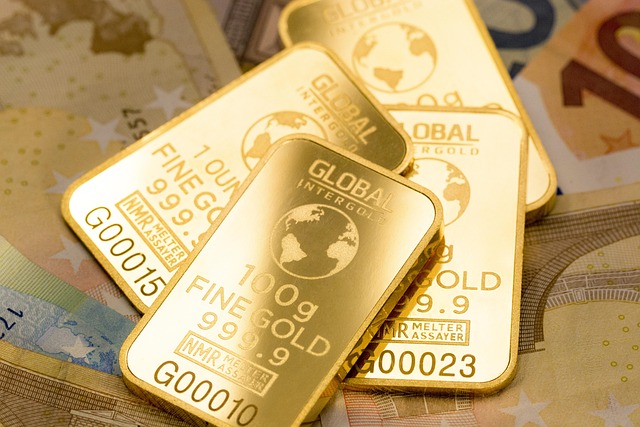
let us talk about the universe’s most charmingly useless metal. Gold. It doesn’t conduct electricity as well as copper, it’s too soft to build anything with, and you can’t even eat it in a survival situation (trust me, don’t try). Yet, for thousands of years, humans have dug it out of the ground, killed for it, and based their entire economies on it. It’s the Kardashian of elements: famous for being famous.
So, why would any sane, modern investor, surrounded by AI stocks and crypto-bro memes, bother with this ancient, unyielding relic? Well, pull up a chair. We’re about to dive into the glittering, and occasionally terrifying, world of gold investing.
Part 1: The “Why” – Or, Why Your Portfolio Might Need a Mascot
In the chaotic circus of the financial markets, gold isn’t the star trapeze artist or the ringmaster. It’s the unimpressed-looking clown leaning against the tent pole, holding the whole thing up when the high-flyers fall.
1. The Financial Apocalypse Insurance Policy
When the news starts sounding like the Book of Revelations—banks wobbling,governments printing money like there’s no tomorrow, and your grocery bill requiring a second mortgage—gold tends to flex its muscles. While your tech stocks are performing a swan dive off a cliff, gold is often quietly appreciating. It’s the asset you sell when people are panicking and buying when they’re complacent. It’s the contrarian’s dream.
2. The Inflation Hedge (That Sometimes Forgets to Work)
The theory is simple:you can’t print gold. Central banks can conjure trillions of dollars out of thin air, but they can’t click their fingers and create a new gold mine. Therefore, when the value of your paper currency is being eroded by inflation, the value of your gold should rise to reflect its enduring scarcity. It’s a tangible asset in a world of digital promises and monetary fairy dust. Just remember, this relationship can be as fickle as a cat. Sometimes it works flawlessly; other times, gold just naps while inflation runs wild.
3. The Ultimate Diversifier (Because You Can’t Put All Your Eggs in a Tech Basket)
If your portfolio is 100%tech stocks, you’re not investing; you’re rollerblading through a minefield, blindfolded. Gold is famous for having a low-to-negative correlation with stocks. When the S&P 500 catches a cold, gold might be doing yoga, completely unaffected. Adding a slice of gold to your portfolio is like adding a shock absorber to your car. The ride might be less exciting, but you’re far less likely to throw up.
Part 2: The “How” – A Tourist’s Guide to Acquiring the Shiny Stuff
Okay, you’re sold. You want a piece of the rock. How do you get it? Your options range from the satisfyingly simple to the bewilderingly complex.
1. The Pirate’s Booty: Physical Gold
For the true romantics,preppers, and those who just like the heft.
· Coins (American Eagles, Canadian Maples, etc.): The classic choice. Recognizable, liquid, and downright cool to hold. The downside? You pay a premium over the spot price (the dealer’s cut), and you suddenly develop a deep, paranoid interest in home security systems.
· Bars: For when you want to feel like a Bond villain or Scrooge McDuck. More cost-effective per ounce than coins, but try buying a coffee with a 1-kilo bar. It won’t end well.
· Jewelry: This is a terrible investment. You pay for craftsmanship and retail markup, not just metal. Buying jewelry for investment is like buying a Ferrari to get groceries—you’re paying for the style, not the utility.
2. The Paper Trail: ETFs and Funds (For the Rest of Us)
For those of us who don’t have a secret vault,there’s GLD (SPDR Gold Shares). Buying a share of GLD means you own a sliver of a giant pile of gold bars sitting in a secure vault in London. It’s incredibly easy, liquid, and you don’t have to worry about someone stealing it from your sock drawer. The downside? You can’t host a party and pass around your digital ETF certificate. It lacks a certain… je ne sais quoi.
3. The Rollercoaster: Gold Miners and Futures
This is where you trade your investor hat for a speculator’s helmet.
· Mining Stocks (GDX, individual miners): You’re not buying gold; you’re buying companies that try to dig gold out of the ground. This is a leveraged bet on gold. If the gold price rises, a good miner’s profits can explode, and the stock can soar faster than the metal itself. But you’re also betting on management competence, political stability, and not digging into an environmental disaster. It’s stock-picking with a hard hat and a lot of prayer.
· Futures and Options: Welcome to the casino. This is for professionals and masochists. The potential for gains (and catastrophic, life-altering losses) is immense. It’s a fantastic way to turn a Porsche into a Pinto in record time.
Part 3: The Reality Check – The Tarnish on the Trophy
Gold is not a perfect angel. It has its flaws, and they are significant.
· The “Sleeping Beauty” Asset: Gold pays you nothing. No dividends, no interest. It just sits there, being beautiful and unproductive. While your dividend stocks are sending you little checks every quarter, gold is just… there. This is known as “opportunity cost.”
· Volatility is Its Middle Name: Don’t let the “safe haven” label fool you. Gold can be wildly volatile. It can go through multi-year slumps that would test the patience of a saint. It’s a safe haven, but only on its own quirky, unpredictable schedule.
· Storage and Insurance Headaches: Physical gold isn’t free to own. Safety deposit boxes cost money. Home safes cost money and raise your insurance premiums. That “free” gold suddenly comes with a yearly bill.
The Final, Unshakeable Verdict
So, after all this, what’s the sensible, slightly cynical takeaway?
Think of gold not as a get-rich-quick scheme, but as portfolio insurance. You pay your premiums (the allocation, the storage fees, the opportunity cost) and hope you never have to file a claim. But when the financial house is on fire, you’ll be glad you have the policy.
A modest allocation of 5-10% of your portfolio is the sweet spot for most investors. It’s enough to provide a diversifying punch without putting your long-term growth to sleep.
The bottom line: Don’t bet the farm on gold. But don’t dismiss it as a primitive relic, either. In a world of intangible assets and speculative bubbles, there’s a profound comfort in owning something that has been valued for millennia. It’s the OG of money.
Now, if you’ll excuse me, I need to go have a whispered conversation with my gold coins. They get nervous when I talk about stocks for too long.