Blog

  • Gold: The Shiny Rock That Drives Us Mad – A Practical Guide

    Gold: The Shiny Rock That Drives Us Mad – A Practical Guide

    Let’s be honest about gold. It’s the celebrity diva of the investment world – high-maintenance, unpredictable, and utterly captivating. While stocks are busy building factories and bonds are lending money to governments, gold just sits there looking gorgeous, waiting for humans to have another crisis so it can shine. So, is this precious metal actually precious to your portfolio, or just a primitive security blanket? Let’s separate the gold from the glitter.

    Why This Barbaric Relic Still Matters

    1. The Financial Panic Room
    When economic doomsday preppers stock up on canned goods,sophisticated investors turn to gold. It’s the ultimate “chicken little” asset – when the sky appears to be falling (see: 2008 financial crisis, 2020 pandemic panic), gold typically holds its value while other assets crash and burn. Think of it as the designated driver in your investment portfolio – boring but responsible when everyone else is losing their minds.

    2. The Inflation-Proof Fortress
    Here’s the simple truth:central banks can print money, but they can’t print gold. When governments engage in monetary mischief (looking at you, quantitative easing), your paper currency loses value faster than ice cream melts in August. Gold maintains its purchasing power over centuries – what bought a fine toga in Roman times still buys a nice suit today. Try that with your dollar bills.

    3. The Portfolio’s Eccentric Uncle
    Every family needs that quirky relative who marches to their own drumbeat,and your portfolio is no exception. Gold often moves independently of stocks and bonds, providing crucial diversification. When tech stocks are tanking and bonds are boring everyone to tears, gold might just be having its moment in the sun.

    How to Court the Golden Goose (Without Getting Pecked)

    Method 1: The Dragon’s Hoard (Physical Gold)
    For those who dream of swimming through coins like Scrooge McDuck:

    · Gold Coins (American Eagles, Krugerrands): The rock stars of physical gold – recognizable, liquid, and surprisingly satisfying to flip between your fingers. Perfect for feeling like a pirate king, though your local grocery store might not accept them as payment.
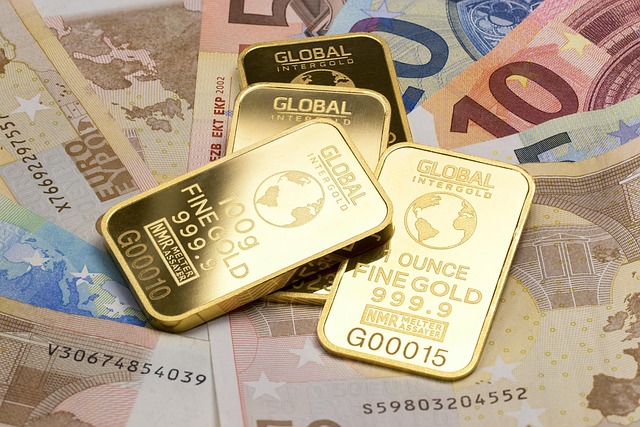
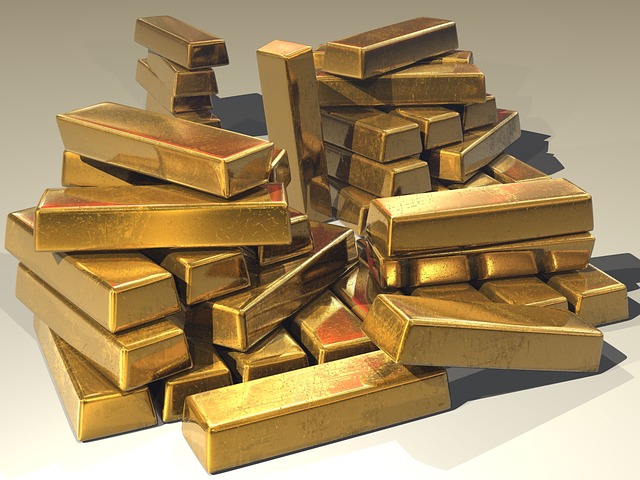
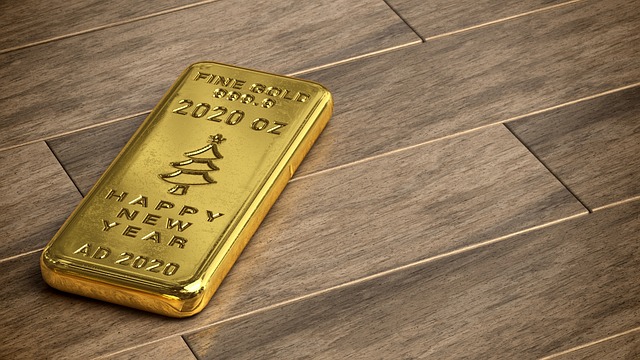
    · Gold Bars (The Bond Villain Special): Nothing says “I have a elaborate plan for world domination” like hefting a shiny gold brick. More cost-effective per ounce than coins, but harder to liquidate quickly unless you’re actually a Bond villain.

    Method 2: The Paper Trail (Gold ETFs)
    For normal people who don’t own underground vaults:

    · SPDR Gold Shares (GLD) and similar ETFs let you own gold without the paranoia of home invasion. You get all the price exposure with none of the storage headaches. The downside? You can’t impress dates by showing them your ETF statements.

    Method 3: The Indirect Approach (Mining Stocks)
    Why dig for gold when you can own the shovel?

    · Gold mining stocks (Newmont, Barrick) offer leveraged exposure to gold prices. When gold rises, well-managed miners can see explosive growth. But you’re also betting on management competence, political stability in mining countries, and not digging into an active volcano.

    The Tarnish on the Crown

    Before you mortgage your house for gold bullion, consider these realities:

    · The Sleeping Beauty Problem: Gold pays zero dividends. It doesn’t innovate or grow. While your tech stocks are busy changing the world, gold is basically a very expensive, very shiny rock taking a millennia-long nap.
    · Emotional Rollercoaster: Gold’s price movements can be more dramatic than a Shakespearean tragedy. It will test your patience through long periods of stagnation, then suddenly spike when you least expect it.
    · Hidden Costs: That “free” gold investment comes with storage fees, insurance premiums, and security concerns. Unless you enjoy sleeping with a shotgun, physical gold ownership brings its own special headaches.

    The Golden Mean: A Sensible Strategy

    So what’s the verdict from Mount Olympus of investing wisdom?

    Allocate 5-10% of your portfolio to gold – enough to matter, but not enough to ruin you. Think of it as insurance, not investment. You don’t hope your house burns down to justify your insurance policy, and you shouldn’t hope for economic collapse to justify your gold position.

    The Bottom Line: Gold is the original rebel asset – it doesn’t play by modern financial rules. In a world of digital currencies and speculative nonsense, there’s comfort in owning something that has been valuable since Pharaohs ruled Egypt. Just remember: too much of a good thing, even something as shiny as gold, can be dangerous to your financial health.

    Now if you’ll excuse me, I need to check on my… uh, let’s call it “metallic diversification allocation.” Definitely not a treasure chest.

  • Gold: The Shiny Rock That Drives Us Mad (And How to Invest Without Losing Your Mind)

    Gold: The Shiny Rock That Drives Us Mad (And How to Invest Without Losing Your Mind)

    let us talk about the universe’s most charmingly useless metal. Gold. It doesn’t conduct electricity as well as copper, it’s too soft to build anything with, and you can’t even eat it in a survival situation (trust me, don’t try). Yet, for thousands of years, humans have dug it out of the ground, killed for it, and based their entire economies on it. It’s the Kardashian of elements: famous for being famous.

    So, why would any sane, modern investor, surrounded by AI stocks and crypto-bro memes, bother with this ancient, unyielding relic? Well, pull up a chair. We’re about to dive into the glittering, and occasionally terrifying, world of gold investing.

    Part 1: The “Why” – Or, Why Your Portfolio Might Need a Mascot

    In the chaotic circus of the financial markets, gold isn’t the star trapeze artist or the ringmaster. It’s the unimpressed-looking clown leaning against the tent pole, holding the whole thing up when the high-flyers fall.

    1. The Financial Apocalypse Insurance Policy
    When the news starts sounding like the Book of Revelations—banks wobbling,governments printing money like there’s no tomorrow, and your grocery bill requiring a second mortgage—gold tends to flex its muscles. While your tech stocks are performing a swan dive off a cliff, gold is often quietly appreciating. It’s the asset you sell when people are panicking and buying when they’re complacent. It’s the contrarian’s dream.

    2. The Inflation Hedge (That Sometimes Forgets to Work)
    The theory is simple:you can’t print gold. Central banks can conjure trillions of dollars out of thin air, but they can’t click their fingers and create a new gold mine. Therefore, when the value of your paper currency is being eroded by inflation, the value of your gold should rise to reflect its enduring scarcity. It’s a tangible asset in a world of digital promises and monetary fairy dust. Just remember, this relationship can be as fickle as a cat. Sometimes it works flawlessly; other times, gold just naps while inflation runs wild.

    3. The Ultimate Diversifier (Because You Can’t Put All Your Eggs in a Tech Basket)
    If your portfolio is 100%tech stocks, you’re not investing; you’re rollerblading through a minefield, blindfolded. Gold is famous for having a low-to-negative correlation with stocks. When the S&P 500 catches a cold, gold might be doing yoga, completely unaffected. Adding a slice of gold to your portfolio is like adding a shock absorber to your car. The ride might be less exciting, but you’re far less likely to throw up.

    Part 2: The “How” – A Tourist’s Guide to Acquiring the Shiny Stuff

    Okay, you’re sold. You want a piece of the rock. How do you get it? Your options range from the satisfyingly simple to the bewilderingly complex.

    1. The Pirate’s Booty: Physical Gold
    For the true romantics,preppers, and those who just like the heft.

    · Coins (American Eagles, Canadian Maples, etc.): The classic choice. Recognizable, liquid, and downright cool to hold. The downside? You pay a premium over the spot price (the dealer’s cut), and you suddenly develop a deep, paranoid interest in home security systems.
    · Bars: For when you want to feel like a Bond villain or Scrooge McDuck. More cost-effective per ounce than coins, but try buying a coffee with a 1-kilo bar. It won’t end well.
    · Jewelry: This is a terrible investment. You pay for craftsmanship and retail markup, not just metal. Buying jewelry for investment is like buying a Ferrari to get groceries—you’re paying for the style, not the utility.

    2. The Paper Trail: ETFs and Funds (For the Rest of Us)
    For those of us who don’t have a secret vault,there’s GLD (SPDR Gold Shares). Buying a share of GLD means you own a sliver of a giant pile of gold bars sitting in a secure vault in London. It’s incredibly easy, liquid, and you don’t have to worry about someone stealing it from your sock drawer. The downside? You can’t host a party and pass around your digital ETF certificate. It lacks a certain… je ne sais quoi.

    3. The Rollercoaster: Gold Miners and Futures
    This is where you trade your investor hat for a speculator’s helmet.

    · Mining Stocks (GDX, individual miners): You’re not buying gold; you’re buying companies that try to dig gold out of the ground. This is a leveraged bet on gold. If the gold price rises, a good miner’s profits can explode, and the stock can soar faster than the metal itself. But you’re also betting on management competence, political stability, and not digging into an environmental disaster. It’s stock-picking with a hard hat and a lot of prayer.
    · Futures and Options: Welcome to the casino. This is for professionals and masochists. The potential for gains (and catastrophic, life-altering losses) is immense. It’s a fantastic way to turn a Porsche into a Pinto in record time.

    Part 3: The Reality Check – The Tarnish on the Trophy

    Gold is not a perfect angel. It has its flaws, and they are significant.

    · The “Sleeping Beauty” Asset: Gold pays you nothing. No dividends, no interest. It just sits there, being beautiful and unproductive. While your dividend stocks are sending you little checks every quarter, gold is just… there. This is known as “opportunity cost.”
    · Volatility is Its Middle Name: Don’t let the “safe haven” label fool you. Gold can be wildly volatile. It can go through multi-year slumps that would test the patience of a saint. It’s a safe haven, but only on its own quirky, unpredictable schedule.
    · Storage and Insurance Headaches: Physical gold isn’t free to own. Safety deposit boxes cost money. Home safes cost money and raise your insurance premiums. That “free” gold suddenly comes with a yearly bill.

    The Final, Unshakeable Verdict

    So, after all this, what’s the sensible, slightly cynical takeaway?

    Think of gold not as a get-rich-quick scheme, but as portfolio insurance. You pay your premiums (the allocation, the storage fees, the opportunity cost) and hope you never have to file a claim. But when the financial house is on fire, you’ll be glad you have the policy.

    A modest allocation of 5-10% of your portfolio is the sweet spot for most investors. It’s enough to provide a diversifying punch without putting your long-term growth to sleep.

    The bottom line: Don’t bet the farm on gold. But don’t dismiss it as a primitive relic, either. In a world of intangible assets and speculative bubbles, there’s a profound comfort in owning something that has been valued for millennia. It’s the OG of money.

    Now, if you’ll excuse me, I need to go have a whispered conversation with my gold coins. They get nervous when I talk about stocks for too long.

  • Gold: The Shiny Rock That Drives Us Mad—A Pragmatic Investor’s Guide

    Gold: The Shiny Rock That Drives Us Mad—A Pragmatic Investor’s Guide

    Let’s talk about gold—the metal that has fueled empires, inspired myths, and now sits quietly in exchange-traded funds and great-aunt Ethel’s lockbox. It’s been a symbol of power, a medium of exchange, and, in the modern portfolio, a subject of endless debate. Is it a timeless store of value or, as Warren Buffett famously quipped, something we “dig up out of the ground only to bury it again in another hole”?

    Well, let’s grab our metaphorical shovels and unearth the truth—with a healthy dose of humor along the way.

    Why Gold? The Rationale Behind the Madness

    Gold doesn’t generate cash flow. It doesn’t innovate. It doesn’t care about your feelings. Yet, it’s been coveted for millennia. Here’s why rational investors sometimes behave irrationally toward it.

    1. The Ultimate Financial Anxiety Blanket
    When markets throw a tantrum—stocks plummet, bonds waver, and your crypto portfolio looks like abstract art—gold often stands firm. It’s the asset you hug tightly while whispering, “You get me.” Geopolitical turmoil, inflation fears, or plain old economic uncertainty? Gold loves chaos. It’s the friend who shows up with wine during your breakup with the stock market.

    2. The “Central Banks Are Doing What?!” Hedge
    When governments engage in monetary experiments (read: printing money like it’s confetti), gold becomes the go-to asset. Why? Because you can’t Ctrl+P a bar of gold. Its supply is limited. Its allure is eternal. While fiat currencies may fluctuate based on policy whims, gold answers to no one. It’s the James Bond of assets—cool, timeless, and dangerously attractive.

    3. The Low-Correlation Superpower
    In portfolio theory, gold is the mysterious stranger who doesn’t follow the crowd. While stocks and bonds often move in predictable patterns, gold dances to its own rhythm. Adding it to your portfolio is like adding chili flakes to chocolate—unexpected, but it just might save the dish.

    How to Own the Glitter: A Menu of Options

    If you’re sold on the idea (or at least intrigued), here’s how to get your hands on some gold—without looking like a cartoon miser.

    1. Physical Gold: For Pirates and Preppers
    Coins & Bars: There’s something deeply satisfying about holding a gold coin. It whispers of pirate treasure and heists. American Eagles, Canadian Maple Leafs, or South African Krugerrands—these are recognizable, liquid, and utterly Instagrammable.
    But beware: You’ll pay a premium over the spot price, and storing it requires more security than your Netflix password. Also, explaining to guests why your paperweight is worth more than their car? Awkward.

    Jewelry: Sure, your grandmother’s necklace has sentimental value, but as an investment? It’s like using a Ferrari to haul groceries—possible, but missing the point.

    2. Paper Gold: For the Modern Pragmatist
    Gold ETFs (e.g., GLD, IAU): These are the lazy investor’s best friend. With a click, you own a slice of gold stored in vaults in London or New York. No safes, no security worries, no awkward conversations with your home insurer. It’s gold, minus the paranoia.

    Gold Mining Stocks: Why own the rock when you can own the pickaxe? Companies like Newmont or Barrick offer leveraged exposure to gold prices. But be warned: you’re betting on management competence, geopolitical stability, and not digging into a supervolcano. It’s gold investing with extra steps—and extra risk.

    Futures and Options: Unless you’re a Wall Street wizard who drinks volatility for breakfast, avoid these. This is the realm of professionals and masochists.

    The Strategy: How Much Glitter Is Too Much?

    Gold is like cayenne pepper—a little enhances the flavor; too much ruins the dish. Here’s how to season your portfolio wisely:

    · The “Sleep at Night” Allocation (5-10%): For most investors, a small, single-digit allocation is enough to provide diversification and peace of mind without sacrificing growth. Think of it as portfolio insurance—you hope you never need it, but you’re glad it’s there.
    · Rebalance, Don’t Panic: When gold surges amid a crisis, resist the urge to buy more at peak panic. Likewise, when it’s languishing, don’t abandon ship. Rebalance systematically.
    · Timing Is a Fool’s Game: Trying to predict gold’s short-term moves is like trying to teach a cat to fetch—futile and mildly embarrassing. Focus on the long-term role it plays in your portfolio.

    The Risks: When Gold Loses Its Luster

    Let’s not forget the tarnish beneath the shine:

    · It Pays You Nothing: Gold doesn’t generate dividends or interest. It just sits there, judging you silently while your dividend stocks actually make you money.
    · Volatility Is Real: Despite its “safe haven” reputation, gold can be as volatile as a reality TV star. It can slump for years, testing your patience and conviction.
    · Storage and Costs: Physical gold requires insurance and secure storage. ETFs charge fees. That “free” hedge comes with invisible price tags.

    Parting Thoughts: To Shine or Not to Shine?

    Gold is not a get-rich-quick scheme. It’s a get-sleep-soundly strategy. It won’t make you the star of a yacht party, but it might prevent you from becoming the subject of a financial cautionary tale.

    In the end, gold is less about making money and more about not losing it. It’s the defensive player in your financial game plan—the one who may not score the winning goal but ensures you don’t lose the match.

    So, whether you’re a skeptic or a gold bug, consider giving it a small, disciplined role in your portfolio. And if anyone questions you, just tell them you’re diversifying like a pharaoh—with a touch of modern pragmatism.

    Now, if you’ll excuse me, I’m off to check on my ETF holdings—and maybe buy a gold-plated coffee mug, because why not?

    Disclaimer: This article is for educational and entertainment purposes only. It does not constitute financial advice. Please consult a qualified financial advisor before making any investment decisions. And remember, no amount of gold will make your in-laws respect you.

  • Gold: The Shiny Rock That Drives Us Mad — A Pragmatic Investor’s Guide

    Gold: The Shiny Rock That Drives Us Mad — A Pragmatic Investor’s Guide

    Let’s be real: gold makes people weird.
    It turns otherwise rational adults into secret hoarders, apocalyptic prophets, or self-proclaimed modern-day King Midases. We’ve been mesmerized by this shiny metal for millennia — and for what? It doesn’t generate income. It doesn’t innovate. It just sits there, glowing, like that one friend who’s just too attractive to accomplish anything meaningful.

    So why does anyone still invest in gold? Is it a timeless store of value, or just a glorified pet rock? Let’s dig into the glitter and the grit — with a healthy dose of humor and realism.

    1. Why Gold? A Brief History of Our Illogical Love Affair

    Gold has been valuable for about as long as humans have had shiny object syndrome. Ancient Egyptians saw it as the flesh of the gods. The Aztecs called it the “sweat of the sun.” Today, we see it as… well, a thing to buy when the world feels like it’s falling apart.

    Here’s the psychological truth:
    Gold is the ultimate financial security blanket.
    When stock markets crash, currencies wobble, or politicians do questionable things, people run to gold. It’s the asset you hug tightly while whispering, “At least I have you.”

    2. The Pros: Why Gold Isn’t Just a “Barbarous Relic”

    Yes, Keynes famously dismissed gold as a “barbarous relic.” But even relics have their uses — just ask anyone who’s visited a museum or an antique shop.

    ✅ Inflation Hedge
    When central banks print money like there’s no tomorrow, the value of paper currency tends to drop. Gold, however, can’t be printed. It’s rare, tangible, and historically holds its purchasing power over the long run. Think of it as the anti-inflation superhero — no cape, but plenty of shine.

    ✅ Portfolio Diversifier
    If your stocks and bonds are doing the tango, gold is the moody artist in the corner playing the violin. It often moves independently of other assets, which can reduce overall portfolio volatility. Translation: when everything else zigs, gold sometimes zags.

    ✅ No Counterparty Risk
    Gold doesn’t care if a bank fails or a government defaults. It doesn’t promise you anything — because it doesn’t have to. It’s just gold. You own it. End of story.

    ✅ Universal Acceptance
    Try paying for a hotel room in rural Peru with your tech stocks. Now try paying with a gold coin. See the difference?

    3. The Cons: The Not-So-Shiny Side of Gold

    Let’s not get carried away. Gold has flaws — and they’re not small ones.

    ❌ It Pays You Nothing
    Gold is the lazy roommate of the investment world. It doesn’t generate dividends or interest. It just sits on the couch, looking pretty while your growth assets are out there hustling.

    ❌ Storage and Insurance Costs
    If you own physical gold, you’ll need to store it safely. That means a safe, an insurance policy, or a really, really good hiding spot (under the mattress doesn’t count). All of that costs money — which eats into your returns.

    ❌ Volatility
    Don’t let anyone tell you gold is “safe.” Its price can swing wildly based on emotion, speculation, and global events. Safe? More like “emotional support metal.”

    ❌ Opportunity Cost
    Money tied up in gold is money not invested in productive assets like businesses, real estate, or that burrito food truck you’ve always dreamed of owning.

    4. How to Invest in Gold (Without Turning Into a Dragon)

    If you’re still interested — and let’s face it, you are — here are the main ways to get your hands on gold, from the simple to the sophisticated.

    A. Physical Gold: For Pirates and Preppers

    · Coins (American Eagles, Canadian Maples) — recognizable, liquid, and satisfying to hold.
    · Bars — cheaper per ounce, but less practical for small transactions.
    · Jewelry — beautiful, but generally a terrible investment. You’re paying for craftsmanship, not just metal.

    B. Gold ETFs: For Normal People
    Funds like GLD or IAU let you own gold without turning your home into Fort Knox. You get the price exposure without the paranoia. It’s simple, liquid, and you can trade it from your phone in your pajamas.

    C. Gold Mining Stocks: For Optimists and Gamblers
    Buying shares in gold mining companies is a bet on gold prices and the company’s ability to find and mine the stuff. It’s like investing in pickaxe makers during a gold rush — leveraged, but risky.

    D. Gold Futures and Options: For Masochists and Math Lovers
    Only recommended if you enjoy complexity, leverage, and the occasional financial heartache. This is the deep end of the pool. If you don’t know what you’re doing, you will drown.

    5. A Sensible Gold Strategy — Because Moderation Is Sexy

    You don’t need to turn into Scrooge McDuck. A little gold can go a long way.

    📍 Allocate 5–10% of your portfolio — enough to provide diversification and peace of mind, but not so much that you miss out on growth.

    📍 Use gold as insurance, not a growth engine — it’s there to protect you, not make you rich.

    📍 Rebalance periodically — if gold has a great run, sell a bit and buy other assets. Don’t fall in love with it.

    📍 Choose the method that fits your lifestyle — most people are best served with ETFs. If you really love the feel of metal, buy a coin or two and call it a day.

    6. Parting Thoughts: Shine On, You Crazy Metal

    Gold isn’t magic. It’s not going to make you rich overnight. But it’s also not worthless. In a world of digital everything and speculative bubbles, gold remains a tangible, timeless, and emotionally resonant asset.

    So should you invest?
    If you want stability in chaos, diversification in monotony, and a little glitter in your portfolio — then yes, consider gold. Just don’t expect it to do all the heavy lifting.

    And remember: the wisest investors don’t worship gold. They use it — sparingly, strategically, and with a clear understanding of its role.

    Now, if you’ll excuse me, I’m off to polish my one and only gold coin. For emotional support, of course.

    Disclaimer: This article is for educational and entertainment purposes only. It is not financial advice. Please consult a qualified financial advisor before making any investment decisions. And for heaven’s sake — don’t bury your gold in the backyard.

  • Gold: The Shiny Rock of Contradictions – A Practical Investor’s Guide

    Gold: The Shiny Rock of Contradictions – A Practical Investor’s Guide

    Let’s talk about the world’s most confusing relationship. We’ve been obsessed with this yellow metal for 5,000 years, yet most of us can’t explain why we’d actually own it. Gold doesn’t produce anything, pays no dividends, and just sits there looking pretty while your stocks are out there working hard. So why does this “barbarous relic” (thanks, Keynes) still capture our imagination?

    The Great Gold Paradox

    Here’s the fundamental contradiction: gold is simultaneously the most primitive and sophisticated investment you can make. It’s primitive because, well, you’re basically admiring a shiny rock. It’s sophisticated because understanding when and why to own it requires more nuance than explaining quantum physics to your dog.

    Think of gold as the financial world’s emergency brake. You hope you never need it, but when you’re heading downhill with failed brakes (see: inflation, geopolitical chaos, banking crises), that little handle suddenly becomes the most important thing in your car.

    Why Gold Deserves a Small Seat at Your Grown-Up Investment Table

    1. The Inflation Hedge That Sometimes Forgets to Hedge
    Remember when your grandparents could buy a house for what you now spend on avocado toast?That’s inflation quietly stealing your future. Gold has historically preserved purchasing power when currencies decide to go on a diet. Though let’s be honest – gold’s inflation-hedging abilities are about as consistent as your New Year’s resolutions.
    2. The Ultimate Diversifier
    If your stock portfolio is a noisy party,gold is the mysterious stranger in the corner who doesn’t say much but drives everyone home safely when things get out of hand. It often moves differently than other assets, which is fancy finance talk for “it might not crash when everything else does.”
    3. The Crisis Insurance Nobody Wants to Use
    When headlines start sounding like the Book of Revelation,gold tends to shine. It’s the asset that doesn’t rely on anyone’s promise to pay – it just exists. This makes it the ultimate “I told you so” investment for doomsday preppers and sensible investors alike.

    How to Own Gold Without Looking Like a Bond Villain

    Option 1: The Physical Stuff (For the Romantic Prepper in You)
    There’s something deeply satisfying about holding a gold coin.It makes you feel like a pirate or a central banker, depending on your aesthetic.

    · Coins (American Eagles, Canadian Maples): The civilized choice. Recognizable, liquid, and surprisingly heavy for their size.
    · Bars: For when you want to feel like you’re in a heist movie. Less practical but more dramatic.
    · Jewelry: Not an investment unless it’s sitting in a museum.

    The problem? Storage paranoia becomes your new hobby. That “free” gold investment suddenly costs you $200/year in safe deposit box fees and anxiety.

    Option 2: Paper Gold (For Normal People)

    · Gold ETFs (like GLD): All the exposure without the paranoia. It’s like owning a timeshare in a giant gold bar sitting in London. Boring but effective.
    · Mining Stocks: You’re not buying gold – you’re buying companies that dig for gold. This adds management risk, political risk, and the risk that they might not find any. It’s like gold investing with extra steps and drama.

    Option 3: The Casino (For Masochists)

    · Futures and Options: Where good retirement plans go to die. Leave this to professionals and people who enjoy stress-induced hair loss.

    The Reality Check Every Gold Investor Needs

    Gold has what economists call “opportunity cost” – which is a fancy way of saying “it just sits there.” While your friend’s tech stocks are growing, your gold is… being gold. It’s the investment equivalent of watching paint dry, except the paint might lose 20% of its value next year for no apparent reason.

    Also, gold can be as volatile as a teenager’s mood. The “safe haven” can drop 30% just when you need it most, which is about as comforting as a screen door on a submarine.

    The Verdict: How Much Glitter is Too Much?

    Here’s the practical advice everyone ignores until they learn the hard way:

    · If you’re under 40: 2-5% of your portfolio max
    · If you’re over 50: Maybe 5-10% if you’re nervous about the world
    · If you’re buying more than 10%: Please seek professional help or at least buy a good safe

    The goal isn’t to get rich with gold – it’s to not get poor. It’s the financial equivalent of wearing a belt with suspenders: slightly paranoid, but you won’t be the one caught with your pants down when things get weird.

    The Bottom Line

    Gold is the insurance policy you hope never to use. It’s the diversifier that often does nothing for years then saves your portfolio at the perfect moment. It’s the shiny rock that makes no sense but has outlasted every currency, empire, and investment fad in human history.

    So should you own some? Probably a little. Will it make you rich? Probably not. Will it help you sleep better when the financial news starts sounding like a horror movie? Absolutely.

    Now if you’ll excuse me, I need to check on my safe deposit box. And by that I mean I need to log into my brokerage account and look at the GLD ticker like a normal person.

  • Gold: The Shiny Rock That Drives Us Mad – A Slightly Unhinged Investor’s Guide

    Gold: The Shiny Rock That Drives Us Mad – A Slightly Unhinged Investor’s Guide

    Let’s be real about gold. It’s the ultimate diva of the investment world – high maintenance, emotionally volatile, and refuses to produce anything of actual value. While stocks are busy building factories and bonds are funding infrastructure, gold just sits there looking pretty, like a supermodel who’s mastered the art of existing magnificently.

    For centuries, this yellow metal has made otherwise sensible people do remarkably strange things – from flooding California with dreamers to convincing your aunt Carol that burying Krugerrands in the backyard constitutes a retirement plan. So let’s embark on a journey through the glittering madness of gold investment, with plenty of laughs and (hopefully) some wisdom along the way.

    Part 1: Why Gold? The Three Rationalizations We Tell Ourselves

    1. The “Doomsday Delight”
    When CNN starts looking like the trailer for the next apocalyptic blockbuster,gold becomes everyone’s favorite security blanket. It’s the financial equivalent of stocking up on canned goods and ammunition – you’ll feel slightly ridiculous until the moment you actually need it. While paper assets are having their quarterly meltdown, gold maintains its dignified silence, like a butler who’s seen it all before.

    2. The “Inflation Illusion”
    Here’s the sales pitch:”Governments can print money, but they can’t print gold!” This sounds profoundly wise until you realize we’re all betting against the entire global monetary system. It’s like bringing a medieval sword to a drone fight – charmingly anachronistic, but you’d better hope it actually works when the chips are down.

    3. The “Diversification Dance”
    Professional investors love using fancy words like”non-correlated asset,” which basically means “this thing moves to its own weird rhythm.” Gold is the investment world’s eccentric uncle – he might show up to Thanksgiving in a spacesuit, but at least he’s not following the same script as everyone else.

    Part 2: The Many Ways to Own Your Piece of the Madness

    1. Physical Gold: For the Inner Pirate
    There’s something primal about holding a gold coin.It triggers ancient parts of your brain that modern finance can’t satisfy.

    The Good: You can actually touch it! Nothing says “I’ve made it” like the satisfying clink of gold coins (except maybe not worrying about rent, but that’s less cinematic).
    The Bad:You’ll develop a suspicious interest in home security systems. Suddenly, every noise at night sounds like an international gold heist in progress.
    The Ugly:Try selling a gold bar during a crisis. Your local bank teller will look at you like you’ve just time-traveled from the 19th century.

    2. Gold ETFs: For the Lazy Sophisticate
    SPDR Gold Shares(GLD) is basically a timeshare in a giant London vault. You own gold without the paranoia! It’s like having a personal chef without the messy kitchen.

    The Good: No safes, no security worries, and you can buy it while wearing pajamas.
    The Bad:You can’t impress dates with your digital ETF statements. “Hey baby, want to see my securities portfolio?” rarely works as a pickup line.
    The Reality:This is the sensible choice for people who want exposure to gold without turning their home into Fort Knox.

    3. Mining Stocks: The Leveraged Rollercoaster
    Why buy gold when you can buy companies that dig for it?This is like betting on both the horse and the jockey – while the jockey is drunk and the horse might fall into a sinkhole.

    The Drama: Management scandals! Mining disasters! Political unrest! You’re not just investing in gold – you’re investing in reality TV disguised as a business.
    The Potential:When gold rises, good miners can soar like Icarus (just hope they don’t fly too close to the sun).

    4. Gold Futures: For the Professionally Insane
    This is where finance becomes an extreme sport.We’re talking margin calls, leverage, and sleeping at your desk. If you don’t understand terms like “contango” and “backwardation,” just walk away slowly. No, actually, run.

    Part 3: The Cold Shower – Reality Checks for Gold Bugs

    1. The “Sleeping Beauty” Problem
    Gold pays you nothing.Zilch. Nada. It’s the most beautiful dead asset you’ll ever own. While your dividend stocks are sending you cheerful little checks every quarter, gold just sits there, maintaining radio silence.

    2. Storage Headaches
    That”free” gold investment suddenly comes with:

    · Safe deposit box fees (the bank’s cut)
    · Insurance premiums (the insurance company’s cut)
    · Paranoia (your psychological cut)
    · Awkward conversations with relatives who “just need to borrow a small bar”

    3. The Volatility No One Talks About
    Gold can be as stable as a reality TV star’s marriage.Sure, it has calm decades, but when it moves, it moves with the dramatic flair of a Shakespearean actor.

    Part 4: The Sane Person’s Guide to Gold Ownership

    After all this mockery, here’s the surprising truth: every portfolio probably should have some gold. The key is treating it like hot sauce – a little adds flavor, too much ruins everything.

    The 5% Solution:
    Allocate about 5%of your portfolio to gold. This is enough to matter but not enough to ruin your life. It’s the financial equivalent of keeping a fire extinguisher in your kitchen – you hope you never need it, but you’ll be damned glad it’s there if you do.

    The Rebalancing Act:
    When gold soars and your 5%becomes 8%, sell some and buy whatever has been performing terribly. This is the investment equivalent of selling umbrellas during a rainstorm and buying sunglasses when the sun comes out.

    The Psychology:
    Buy gold when everyone hates it,not when it’s on the front page of every newspaper. The best time to purchase insurance is before the flood, not during it.

    Conclusion: Embracing the Madness

    Gold represents the beautiful contradiction at the heart of all investing: we want rational returns, but we’re driven by deeply irrational fears and desires. It’s the shiny rock that connects our ancient lizard brains to our modern spreadsheet lives.

    So go ahead, add a little gold to your portfolio. But remember the golden rule of gold investing: never fall in love with your investments. They won’t love you back – especially not a metal that’s been around for millennia and has seen better suitors than you.

    Now if you’ll excuse me, I need to check on my safe deposit box. I thought I heard it whispering sweet nothings to me last night…

    Disclaimer: This article is for entertainment purposes only. I’m not your financial advisor, just someone who finds the madness of markets endlessly fascinating. Please consult a professional before making any investment decisions, and whatever you do, don’t take financial advice from articles that compare gold to supermodels.

  • Gold: The Shiny Rock That Drives Us Mad – A Slightly Unhinged Investor’s Guide

    Gold: The Shiny Rock That Drives Us Mad – A Slightly Unhinged Investor’s Guide

    Let’s talk about the universe’s most persuasive paperweight. That seductive, dense yellow metal that has launched a thousand ships, ruined countless empires, and currently resides in your conservative uncle’s safe right next to his collection of questionable survival gear.

    Gold is the Kardashian of the financial world – famous for being famous, producing absolutely nothing of value, yet somehow maintaining a bizarre stronghold on our collective imagination. We dig it out of deep, dark holes in the ground, just to bury it again in different deep, dark holes called bank vaults. Makes perfect sense, right?

    So Why This Irrational Love Affair?

    The “Chicken Little” Portfolio
    When financial news channels start sounding like apocalyptic movie trailers- think inflation monsters, banking zombies, and geopolitical asteroid fields – gold does its superhero landing. While stocks are weeping in the corner and bonds are having a mid-life crisis, gold might just be flexing its metallic muscles. It’s the financial equivalent of keeping a fire extinguisher in your kitchen – deeply boring until you actually need it.

    The “Take This seriously” Asset
    Here’s gold’s best pickup line:”I’m rare, darling.” While central banks can and do print money like there’s no tomorrow (sometimes literally), nobody’s running a gold printing press. There’s only so much shiny stuff to go around. When your paper currency starts feeling as valuable as Monopoly money, gold winks at you from across the room.

    The Contrarian’s Best Friend
    If your investment portfolio were a high school cafeteria,stocks would be the popular kids, bonds would be the student council, and gold would be the mysterious exchange student smoking behind the gym – not following anyone else’s rules. This beautiful non-conformity is what makes it the ultimate diversification tool.

    Your Menu of Golden Options

    1. The Pirate Special (Physical Gold)
    For those who really need to touch their investments.

    · Coins: American Eagles, Canadian Maple Leafs – the A-list celebrities of the gold world. Beautiful, recognizable, and easy to sell when you need quick cash for your next questionable life decision. Downside? That “dealer premium” is like paying for the fancy packaging.
    · Bars: For when you want to feel like a Bond villain completing their evil lair. More cost-effective per ounce, but try buying groceries with one and see how that goes.
    · Jewelry: The “I swear it’s an investment, honey” approach. Spoiler alert: that 24k necklace from Grandma is probably worth less than your smartphone.

    2. The Lazy Investor’s Delight (Paper Gold)
    For those who prefer their assets digital.

    Gold ETFs like GLD are basically timeshares in a giant London vault. All the glitter, none of the paranoia about home invasions. It’s gold for people who think safes are too much commitment.

    3. The Adrenaline Junkie’s Choice (Mining Stocks)
    Why buy gold when you can buy companies that dig for it?This is like betting on the gold price with steroids. When gold rises, good miners can skyrocket. But you’re also betting they won’t dig into an active volcano or annoy the local government. It’s investing with extra steps and hard hats.

    The Not-So-Shiny Reality

    Let’s be real – gold has commitment issues:

    · The Sleeping Beauty Problem: Gold pays you exactly nothing to hold it. No dividends, no interest – just silent, shiny judgment while your other investments actually work for a living.
    · Emotional Rollercoaster: Don’t let its “stable” reputation fool you. Gold can have mood swings that would make a teenager blush. It might sulk for years before deciding to cooperate.
    · High-Maintenance Relationship: Physical gold needs a home (safe deposit boxes cost money), insurance (more money), and gives you trust issues. That “free” investment suddenly comes with monthly baggage.

    The Final Word: To Glitter or Not to Glitter?

    Here’s the golden truth (pun intended): treat gold like hot sauce – a little adds flavor, too much ruins everything.

    The Sweet Spot: 5-10% of your portfolio is the financial equivalent of a well-stocked emergency kit – enough to matter, not enough to define you.

    The Bottom Line: Gold is the insurance policy you hope to never use but are secretly proud to own. It’s been valuable for 5,000 years, which is more than we can say for most cryptocurrencies, your car, or that treadmill currently serving as an expensive clothes rack.

    Now if you’ll excuse me, I need to check on my… diversified portfolio of assets. Definitely not just a shiny rock collection. Definitely.

    Disclaimer: This article is for entertainment purposes only. I’m not your financial advisor, just someone who finds it hilarious that we all agree to value rocks. Please consult a professional before making any investment decisions, and remember – past performance is about as reliable as your uncle’s investment “tips” at Thanksgiving dinner.

  • Gold: The Shiny Rock That Drives Us Mad — A Pragmatic Investor’s Guide

    Gold: The Shiny Rock That Drives Us Mad — A Pragmatic Investor’s Guide

    Let’s be real: gold makes people weird.
    Other investments involve income statements, growth projections, or at least a vague connection to the real economy. Gold? It just sits there, gleaming silently, like that one friend who’s too cool to text back but somehow always gets invited to the party.

    We’ve been obsessed with this metal since we first dug it out of the ground. It’s been currency, decoration, and the cause of more than one questionable life decision (looking at you, aspiring pirate). But in today’s world of digital wallets and meme stocks — does gold still matter?
    Let’s dig into the glitter and the grit.

    Why Even Consider Gold? The “It’s-Complicated” Relationship

    Gold isn’t like your typical stock or bond. It doesn’t pay dividends. It doesn’t innovate. It’s basically the introverted rock of the finance world. So why do investors keep a little in their portfolios?

    ✅ 1. The Financial Apocalypse Insurance

    When things go south — I mean really south — gold often shines.
    Think inflation spikes, geopolitical drama, or banks doing their best Lehman Brothers impression. In times of panic, people run to what’s real. And gold? It’s real. You can hold it. You can’t hold a Bitcoin private key with the same dramatic flair as a gold bar (though both require safekeeping).

    ✅ 2. The “Central Banks Can’t Print This” Argument

    Governments can fire up the money printers faster than you can say “hyperinflation.” But they can’t print gold. Supply is limited — it’s scarce, difficult to mine, and looks great in a crown. That scarcity gives it a certain enduring appeal when paper currencies start feeling a little… flimsy.

    ✅ 3. The Portfolio Diversifier

    If your stocks and bonds are doing the tango — sometimes in sync, sometimes stepping on each other’s toes — gold is the solo jazz dancer in the corner. It often moves independently of other assets, which can help smooth out returns when the rest of your portfolio is having a meltdown.

    How to Buy Gold (Without Looking Like a Doomsday Prepper)

    You’ve decided you want exposure. Great. Now — how to do it without turning your basement into a dragon’s lair?

    🟡 1. Physical Gold: The “I Can Touch It” Strategy

    · Coins (e.g., American Eagles, Canadian Maples)
    Recognizable, liquid, and satisfyingly heavy in your palm. Perfect for feeling like a pirate or a Bond villain on a budget. Downsides? You’ll pay a premium over the spot price, and you’ll need a secure place to store them (no, the cookie jar doesn’t count).
    · Bars
    Even more villainous. Better value per ounce, but less practical for small transactions. Try buying groceries with a 1-kilo bar and see how that goes.
    · Jewelry
    Not typically a pure investment — you’re paying for craftsmanship and brand markup. But if you already own it, enjoy the bling.

    🟡 2. Gold ETFs: The “Easy Button”

    Funds like GLD or IAU hold physical gold in vaults so you don’t have to. You get the price exposure without the paranoia. It’s liquid, cheap, and fits neatly in your brokerage account. The only downside? Zero bragging rights at parties.

    🟡 3. Gold Mining Stocks: Betting on the Pickaxe Makers

    When you buy shares in gold miners, you’re not buying gold — you’re buying businesses. Their stock prices are tied to gold prices, but also to management skill, operational costs, and whether they accidentally dig into an underground river. Higher risk, higher potential reward. Volatile? You bet.

    🟡 4. Gold Futures and Options

    Ah, the professional casino. Unless you enjoy phrases like “backwardation” and “margin call” in your daily vocabulary, maybe sit this one out.

    The Not-So-Shiny Side: Gold’s Drawbacks

    Let’s temper the enthusiasm with some cold, hard facts:

    · It Pays You Nothing
    Gold doesn’t generate earnings or interest. It’s like a beautiful artwork that just hangs on your wall — valuable, but not productive.
    · It Can Be Volatile
    Despite its “safe haven” reputation, gold can have long boring stretches and sudden plunges. It doesn’t always shine when you expect it to.
    · Storage and Insurance Costs
    Physical gold isn’t free to keep safe. Safety deposit boxes and insurance eat into returns. That “free” asset suddenly has a yearly bill.

    So — Should You Invest?

    Here’s the pragmatic take:

    Think of gold not as the main course of your investment portfolio, but as seasoning. A little can improve the flavor; too much ruins the meal.

    · A 5–10% allocation can work as a hedge and diversifier.
    · It’s not a get-rich-quick scheme. It’s a store of value and a crisis hedge.
    · If you go physical, keep it small, secure, and in recognized forms like sovereign coins.
    · For most people, gold ETFs are the simplest and most sensible option.

    Final Thought: Shiny, But Not Magic

    Gold has held its allure for thousands of years — through empires, recessions, and the rise of fiat currencies. That history means something. But it’s not a substitute for a well-balanced portfolio of productive assets.

    So if you choose to own gold, do it with clarity: not as a speculative bet, but as a humble acknowledgment that sometimes, the world goes a little crazy — and it’s nice to have something solid to hold onto.

    Now, if you’ll excuse me, I’m off to polish my… uh, my paperweight collection. 🏴‍☠️

  • Gold: The Shiny Security Blanket for Your Portfolio

    Gold: The Shiny Security Blanket for Your Portfolio

    Let’s talk about the rock star of the periodic table, the ultimate symbol of wealth and questionable jewelry choices: gold. This dense, yellow metal has been mesmerizing humans since we first crawled out of the cave and saw something shiny. It’s been the cause of wars, the backbone of empires, and the reason your eccentric uncle has a bunker in his backyard.

    In the modern, digital world of crypto, NFTs, and meme stocks, gold can seem like a relic. It’s the financial equivalent of your grandpa’s vinyl record collection—vintage, tangible, and utterly confusing to millennials. But is it still a relevant investment, or are we all just clinging to a 5,000-year-old trend?

    Why Gold? The Case for the Yellow Brick

    First, let’s explore why anyone would want to own an asset that, let’s be honest, just sits there.

    1. The Ultimate “Chicken Little” Insurance Policy:
    When the financial sky is falling, gold tends to shine. Think inflation is skyrocketing? Stock market doing its best impression of a rollercoaster? Geopolitical tensions making the news look like a thriller movie? This is gold’s time to strut. While other assets are panicking, gold often holds its ground or even increases in value. It’s the calm, stoic friend in a room full of hysterical people. You don’t need it every day, but you’re thrilled it’s there when things get weird.
    2. The Tangible Troglodyte in a Digital World:
    In an era where money is mostly ones and zeros in a server, gold is refreshingly… heavy. You can hold it. You can bite it (though your dentist will frown upon this). You can’t hack a gold bar. You can’t delete it with a wrong click. It’s a real, physical asset that exists outside the digital matrix. This provides a primal sense of security that a digital balance on a screen simply cannot match.
    3. The Grand Diversifier:
    If your investment portfolio were a dinner party, your tech stocks would be the loud, exciting, but unpredictable guests who might start dancing on the table. Your bonds would be the sensible, slightly boring guests discussing mortgage rates. Gold? Gold is the mysterious stranger in the corner, sipping a fine whiskey and not saying much. It doesn’t move in sync with other assets. When stocks zig, gold often zags. This lack of correlation is like financial yoga—it helps your portfolio stay flexible and reduces overall risk.

    How to Hoard: A Tourist’s Guide to Acquiring Gold

    So, you’re convinced. You want a piece of the shiny pie. How do you get it? Your options range from the satisfyingly simple to the bewilderingly complex.

    1. The Pirate’s Booty: Physical Gold
    This is for the romantics, the preppers, and those who just really, really like heft.
    · Coins (American Eagles, Canadian Maples): The most user-friendly form. They are beautiful, recognizable, and easy to buy and sell in small quantities. The downside? You pay a premium over the spot price (the dealer’s markup), and you need to store it securely. Pro tip: the cookie jar is not a secure location.
    · Bars: Feeling like a Bond villain? This is your move. They are typically cheaper per ounce than coins but are less liquid for small, quick sales. Try buying groceries with a 1-kilo bar and see how that goes.
    · Jewelry: This is a terrible investment. You pay for craftsmanship and retail markup, not just the metal. It’s for wearing, not for weathering a recession.
    2. The Paper Trail: Gold ETFs and Funds
    For the rest of us who don’t have a personal vault, there’s the SPDR Gold Shares (GLD) ETF. Buying a share of GLD is like owning a tiny, digital slice of a giant gold bar sitting in a secure London vault. It’s the easiest, most liquid way to get exposure. The main drawback? You can’t host a cool party where you pass around your digital ETF certificate. It lacks the theatrical flair.
    3. The Gambler’s Den: Gold Miners and Futures
    This is where you trade your pirate hat for a speculator’s visor.
    · Mining Stocks (e.g., Newmont, Barrick): You’re not buying gold; you’re buying companies that dig for gold. This is a leveraged bet on the gold price. If gold goes up, a good miner’s profits can soar. But you’re also betting on management competence, political stability in far-off lands, and the avoidance of catastrophic mine collapses. It’s stock-picking with a hard hat and a lot of inherent risk.
    · Futures and Options: Let’s not. This is the professional poker table of gold investing. It’s complex, highly leveraged, and you can lose your shirt faster than you can say “margin call.” This is for pros, not for folks who just want a little financial insurance.

    The Tarnish on the Trophy: Gold’s Glaring Flaws

    Gold is no perfect angel. It has its flaws, and they are significant.

    · The “Sleeping Beauty” Asset: Gold pays no dividends. It generates no income. It just sits there, looking pretty and being dense. While your dividend stocks are sending you checks every quarter, gold is silently judging you for your impatience. This is known as “opportunity cost.”
    · It’s Volatile, Darling: Don’t let its “safe haven” reputation fool you. Gold can have wild price swings. It can go through long, depressing bear markets that test the faith of even its most devout followers.
    · Storage and Insurance Headaches: Physical gold isn’t free to own. A safety deposit box costs money. A high-quality home safe is a significant investment. That “free” asset suddenly comes with a yearly bill and a side order of paranoia.

    The Final Verdict: To Glitter or Not to Glitter?

    So, after all this, what’s the sensible, slightly humorous takeaway?

    Think of gold not as the main course of your investment meal, but as a powerful, potent spice. You wouldn’t eat a bowl of salt, but a pinch of it can make the entire dish better.

    A modest allocation of 5-10% of your portfolio can act as a fantastic diversifier and insurance policy. It’s the part of your wealth that doesn’t care about CEO scandals, interest rates, or the latest tech fad.

    The bottom line: Don’t bet the farm on gold. It’s not a get-rich-quick scheme. But dismissing it entirely is like refusing to buy home insurance because your house has never burned down. In a world of uncertainty, a little bit of ancient, shiny insurance can help you sleep soundly at night.

    Now, if you’ll excuse me, I need to go check on my… uh, my collection of very dense, non-dividend-paying paperweights.

  • Gold: The Shiny Rock That Drives Us Mad — A Slightly Unserious Investor’s Guide

    Gold: The Shiny Rock That Drives Us Mad — A Slightly Unserious Investor’s Guide

    Let’s talk about gold — the metal that makes pirates, central bankers, and your eccentric aunt Margaret equally excited. It’s been a symbol of power, a medium of exchange, and the cause of more bad decisions than a late-night online shopping spree.

    Gold doesn’t generate cash flow. It doesn’t innovate. It just sits there, glowing quietly, judging you while you stress over stock prices and bond yields. So why do we still care? Is it a timeless store of value or just a glorified pet rock? Let’s dig into the glitter and the grit.

    Part 1: Why Gold? Or, How to Feel Like a King While Doing Nothing

    1. The Ultimate Financial Security Blanket
    When the world feels like it’s on fire — inflation surges, markets tumble, and your crypto portfolio looks like abstract art — gold often stands firm. It’s the friend who stays calm while everyone else is running around screaming. Think of it as the financial equivalent of keeping canned soup and a flashlight in the basement. You hope you’ll never need it, but oh boy, are you glad it’s there.

    2. The “They Can’t Print This” Argument
    Governments can create money out of thin air. Central banks can launch quantitative easing programs with the enthusiasm of a kid in a candy store. But nobody — not even the most powerful treasury secretary — can print gold. It’s rare, tangible, and immune to the whims of monetary policy. That alone gives it a certain rebellious charm.

    3. The Diversifier That Doesn’t Follow the Crowd
    If your stocks and bonds are dancing to the same tune, gold is the one humming its own song in the corner. It often moves independently of other assets, which makes it a useful portfolio diversifier. When your tech stocks are crashing, your gold might just be quietly rising, like that one friend who thrives in chaos.

    Part 2: How to Own Gold Without Turning Into a Dragon

    You’ve decided you want a piece of the shiny action. Great! Now, how do you get it without turning your home into a medieval treasure vault?

    1. Physical Gold: For Pirates and Paranoids
    There’s something deeply satisfying about holding a gold coin. It’s heavy. It’s shiny. It makes you feel like a character in a heist movie.

    · Coins (e.g., American Eagles, Canadian Maples): Recognizable, liquid, and easy to store. Perfect for showing off at parties or bartering during hypothetical zombie apocalypses.
    · Bars: If you’re going for the “bond villain” aesthetic, this is your move. Just remember: selling a 1-kilo bar is slightly less convenient than selling a coin. Try buying groceries with it. I dare you.

    Downsides: You’ll need a safe, insurance, and the ability to resist the urge to bury it in the backyard.

    2. Gold ETFs: For People Who Preepixels Over Shiny Things
    If hiding gold under your floorboards isn’t your style, consider an ETF like GLD or IAU. With a few clicks, you can own a slice of a massive gold hoard sitting in a vault in London or New York. No safes, no security concerns — just pure, uncomplicated exposure to gold prices.

    Downsides: You can’t touch it, and it’s hard to impress a date with your ETF statement.

    3. Gold Mining Stocks: Betting on the Pickaxe, Not the Gold
    Why dig for gold yourself when you can invest in the people doing the digging? Mining stocks like Newmont or Barrick offer leveraged exposure to gold prices. If gold rises, their profits can soar. But beware — you’re also betting on management competence, geopolitical stability, and the company not accidentally mining a dinosaur skeleton instead of gold.

    4. Gold Futures: For Masochists and Math Geeks
    If you enjoy complexity, leverage, and the constant threat of financial ruin, futures might be for you. For everyone else? Stick to coins or ETFs. This is the deep end of the pool, and there are no floaties.

    Part 3: The Not-So-Shiny Side of Gold

    Gold isn’t all sunshine and rainbows. Here’s where it loses a bit of its luster:

    · It Pays You Nothing
    Gold doesn’t generate dividends or interest. It’s like owning a beautiful painting that just hangs there, silently judging your life choices. Meanwhile, your S&P 500 index fund is quietly compounding in the background.
    · It Can Be Volatile
    Despite its “safe haven” reputation, gold can have wild mood swings. It can go through years of stagnation or sudden drops. It’s less a stable store of value and more a drama queen with a PhD in economics.
    · Storage and Costs
    Physical gold requires security, insurance, and possibly a dramatic reveal to your grandchildren decades from now. ETFs charge fees. Mining stocks come with operational risks. Nothing in life — or gold — is truly free.

    Part 4: So… Should You Buy It?

    Here’s the honest, slightly cynical take:

    Gold is not an investment. It’s insurance.
    You don’t buy fire insurance hoping your house will burn down. Similarly, you don’t buy gold hoping it will triple in value. You buy it because it’s the one thing that might hold up when everything else is falling apart.

    A small allocation — say, 5% of your portfolio — can be a smart move. It’s the financial equivalent of keeping a first-aid kit in your car. You’ll hopefully never need it, but you’ll sleep better knowing it’s there.

    Final Word: Think of Gold as a Backup Singer, Not the Lead Vocalist

    Gold won’t make you rich overnight. It won’t replace a well-diversified portfolio of stocks and bonds. But in a world of digital currencies, speculative bubbles, and geopolitical nonsense, it offers something rare: tangible, timeless, and totally irrational comfort.

    Now, if you’ll excuse me, I’m off to polish my collection of gold-plated paperweights. Just in case.