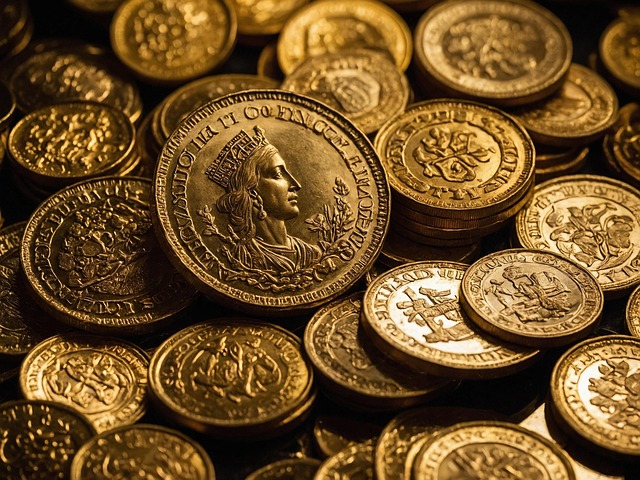
Let’s talk about gold, the ultimate “diva” of the investment world. It doesn’t generate cash flow, it doesn’t innovate, and it just sits there, looking pretty. Yet, for thousands of years, humans have been obsessed with this shiny metal. From ancient Egyptian pharaohs to modern-day Wall Street wolves, gold has been a symbol of wealth, power, and sometimes, sheer panic.
So, what’s the deal with gold? Is it a timeless store of value or a “barbarous relic,” as economist John Maynard Keynes once called it? Let’s dig in (pun fully intended).
—
1. Why Gold? The Emotional and Practical Reasons
The “Doomsday” Insurance Policy
When the world feels like it’s going off the rails—think inflation spikes, geopolitical tensions, or stock market crashes—gold often shines. It’s the financial equivalent of keeping a fire extinguisher at home. You hope you never need it, but you’ll be darn glad it’s there if things go sideways.
The Inflation Hedge
While central banks can print money like it’s confetti, they can’t print gold. This scarcity gives it a perceived edge against inflation. When your paper currency feels like it’s losing value faster than a melting ice cream cone, gold stands firm. Well, most of the time.
The Diversifier
If your investment portfolio were a dinner party, stocks would be the loud, fun friends who might accidentally break something, bonds would be the sensible ones discussing retirement plans, and gold would be the mysterious guest who stays calm no matter what. It doesn’t always move in sync with other assets, which can help smooth out your returns.
—
2. How to Invest in Gold: From Pirate Booty to Digital Gold
Physical Gold: The “You Can Touch It” Approach
There’s something undeniably satisfying about holding a gold coin. It makes you feel like a pirate or a Bond villain. But beware:
· Coins and Bars: Great for bragging rights, but they come with storage costs, insurance, and the risk of your cousin “borrowing” them for a questionable business idea.
· Jewelry: While your grandmother’s necklace might have sentimental value, it’s rarely a good investment. The markup is often astronomical, and you’d have to be pretty desperate to pawn it during a crisis.
Gold ETFs: The “Easy Button”
For those who don’t want to turn their home into Fort Knox, gold ETFs like GLD or IAU are the way to go. You get exposure to gold prices without the hassle of storing it. It’s like owning a slice of a giant gold bar sitting in a vault in London. Just don’t expect to show it off at parties.
Gold Mining Stocks: The Roller Coaster
Investing in gold miners is like betting on the pickaxe makers during a gold rush. When gold prices rise, well-managed mining companies can soar. But you’re also exposed to operational risks, management mistakes, and the possibility they’ll accidentally dig into a supervolcano. It’s not for the faint of heart.
Futures and Options: The High-Stakes Casino
This is where the pros play. If you enjoy phrases like “contango” and “backwardation” and have a high tolerance for heartburn, knock yourself out. For the rest of us, it’s a fantastic way to turn a small fortune into a tiny one.
—
3. The Not-So-Shiny Side of Gold
It Pays You Nothing
Gold is the ultimate couch potato of assets. It doesn’t generate dividends or interest. While your stocks are busy growing, gold is just… sitting there. As Warren Buffett famously pointed out, if you owned all the gold in the world, you could pile it into a giant cube and stare at it. Thrilling.
It’s Volatile
Don’t let its “safe haven” reputation fool you. Gold can be as moody as a cat. It can plunge for years, testing your patience and resolve. Remember 2013? Yeah, gold investors try to forget it too.
Storage and Costs
If you own physical gold, you’ll need to store it somewhere safe. That means insurance, secure storage, and possibly explaining to your significant other why the family savings are now buried in the backyard.
—
4. So, Should You Invest? A Pragmatic (and Slightly Sarcastic) Take
Gold isn’t an investment in the traditional sense. It’s a bet on fear, uncertainty, and human nature. Here’s how to think about it:
· Keep It Small: Allocate 5–10% of your portfolio to gold. Anything more, and you’re not investing—you’re preparing for the apocalypse.
· Use It as a Diversifier, Not a Growth Engine: Gold won’t make you rich, but it might save your portfolio during a crisis.
· Timing Is (Almost) Everything: Buying gold when everyone is euphoric about stocks might be smarter than buying it when the world is panicking. But good luck timing that perfectly.
—
5. The Bottom Line: Is Gold Worth Its Weight?
In the end, gold is a paradox. It’s a tangible asset in an increasingly digital world, a safe haven that’s anything but safe in the short term, and a symbol of stability that’s often anything but stable.
As one witty investor put it, “Gold is a way of going long on human fear and short on human reason.” So, if you decide to add a little glitter to your portfolio, do it with your eyes wide open. And maybe keep a sense of humor handy—you’ll need it when your gold ETF does the opposite of what you expected.
Now, if you’ll excuse me, I’m off to check if my gold-plated toothbrush has appreciated in value.