Let’s talk about the rock star of the periodic table, the ultimate symbol of wealth and questionable jewelry choices: gold. This dense, yellow metal has been mesmerizing humans since we first crawled out of the cave and saw something shiny. It’s been the cause of wars, the backbone of empires, and the reason your eccentric uncle has a bunker in his backyard.
In the modern, digital world of crypto, NFTs, and meme stocks, gold can seem like a relic. It’s the financial equivalent of your grandpa’s vinyl record collection—vintage, tangible, and utterly confusing to millennials. But is it still a relevant investment, or are we all just clinging to a 5,000-year-old trend?
Why Gold? The Case for the Yellow Brick
First, let’s explore why anyone would want to own an asset that, let’s be honest, just sits there.
1. The Ultimate “Chicken Little” Insurance Policy:
When the financial sky is falling, gold tends to shine. Think inflation is skyrocketing? Stock market doing its best impression of a rollercoaster? Geopolitical tensions making the news look like a thriller movie? This is gold’s time to strut. While other assets are panicking, gold often holds its ground or even increases in value. It’s the calm, stoic friend in a room full of hysterical people. You don’t need it every day, but you’re thrilled it’s there when things get weird.
2. The Tangible Troglodyte in a Digital World:
In an era where money is mostly ones and zeros in a server, gold is refreshingly… heavy. You can hold it. You can bite it (though your dentist will frown upon this). You can’t hack a gold bar. You can’t delete it with a wrong click. It’s a real, physical asset that exists outside the digital matrix. This provides a primal sense of security that a digital balance on a screen simply cannot match.
3. The Grand Diversifier:
If your investment portfolio were a dinner party, your tech stocks would be the loud, exciting, but unpredictable guests who might start dancing on the table. Your bonds would be the sensible, slightly boring guests discussing mortgage rates. Gold? Gold is the mysterious stranger in the corner, sipping a fine whiskey and not saying much. It doesn’t move in sync with other assets. When stocks zig, gold often zags. This lack of correlation is like financial yoga—it helps your portfolio stay flexible and reduces overall risk.
How to Hoard: A Tourist’s Guide to Acquiring Gold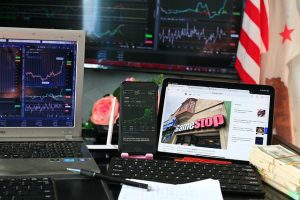
So, you’re convinced. You want a piece of the shiny pie. How do you get it? Your options range from the satisfyingly simple to the bewilderingly complex.
1. The Pirate’s Booty: Physical Gold
This is for the romantics, the preppers, and those who just really, really like heft.
· Coins (American Eagles, Canadian Maples): The most user-friendly form. They are beautiful, recognizable, and easy to buy and sell in small quantities. The downside? You pay a premium over the spot price (the dealer’s markup), and you need to store it securely. Pro tip: the cookie jar is not a secure location.
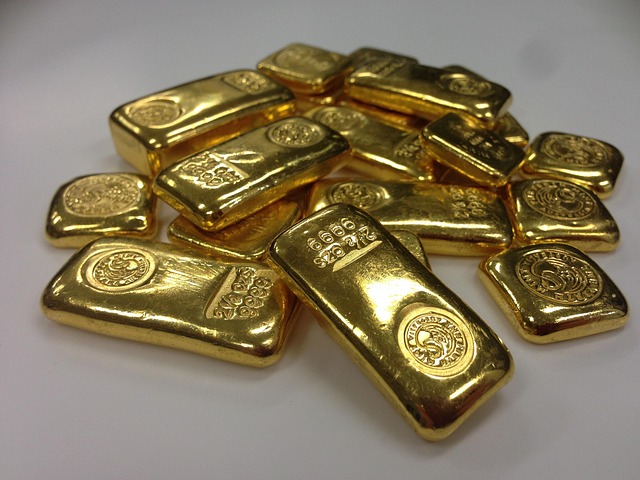
· Bars: Feeling like a Bond villain? This is your move. They are typically cheaper per ounce than coins but are less liquid for small, quick sales. Try buying groceries with a 1-kilo bar and see how that goes.
· Jewelry: This is a terrible investment. You pay for craftsmanship and retail markup, not just the metal. It’s for wearing, not for weathering a recession.
2. The Paper Trail: Gold ETFs and Funds
For the rest of us who don’t have a personal vault, there’s the SPDR Gold Shares (GLD) ETF. Buying a share of GLD is like owning a tiny, digital slice of a giant gold bar sitting in a secure London vault. It’s the easiest, most liquid way to get exposure. The main drawback? You can’t host a cool party where you pass around your digital ETF certificate. It lacks the theatrical flair.
3. The Gambler’s Den: Gold Miners and Futures
This is where you trade your pirate hat for a speculator’s visor.
· Mining Stocks (e.g., Newmont, Barrick): You’re not buying gold; you’re buying companies that dig for gold. This is a leveraged bet on the gold price. If gold goes up, a good miner’s profits can soar. But you’re also betting on management competence, political stability in far-off lands, and the avoidance of catastrophic mine collapses. It’s stock-picking with a hard hat and a lot of inherent risk.
· Futures and Options: Let’s not. This is the professional poker table of gold investing. It’s complex, highly leveraged, and you can lose your shirt faster than you can say “margin call.” This is for pros, not for folks who just want a little financial insurance.
The Tarnish on the Trophy: Gold’s Glaring Flaws
Gold is no perfect angel. It has its flaws, and they are significant.
· The “Sleeping Beauty” Asset: Gold pays no dividends. It generates no income. It just sits there, looking pretty and being dense. While your dividend stocks are sending you checks every quarter, gold is silently judging you for your impatience. This is known as “opportunity cost.”
· It’s Volatile, Darling: Don’t let its “safe haven” reputation fool you. Gold can have wild price swings. It can go through long, depressing bear markets that test the faith of even its most devout followers.
· Storage and Insurance Headaches: Physical gold isn’t free to own. A safety deposit box costs money. A high-quality home safe is a significant investment. That “free” asset suddenly comes with a yearly bill and a side order of paranoia.
The Final Verdict: To Glitter or Not to Glitter?
So, after all this, what’s the sensible, slightly humorous takeaway?
Think of gold not as the main course of your investment meal, but as a powerful, potent spice. You wouldn’t eat a bowl of salt, but a pinch of it can make the entire dish better.
A modest allocation of 5-10% of your portfolio can act as a fantastic diversifier and insurance policy. It’s the part of your wealth that doesn’t care about CEO scandals, interest rates, or the latest tech fad.
The bottom line: Don’t bet the farm on gold. It’s not a get-rich-quick scheme. But dismissing it entirely is like refusing to buy home insurance because your house has never burned down. In a world of uncertainty, a little bit of ancient, shiny insurance can help you sleep soundly at night.
Now, if you’ll excuse me, I need to go check on my… uh, my collection of very dense, non-dividend-paying paperweights.