Let’s talk about gold — the metal that makes pirates, central bankers, and your eccentric aunt Margaret equally excited. It’s been a symbol of power, a medium of exchange, and the cause of more bad decisions than a late-night online shopping spree.
Gold doesn’t generate cash flow. It doesn’t innovate. It just sits there, glowing quietly, judging you while you stress over stock prices and bond yields. So why do we still care? Is it a timeless store of value or just a glorified pet rock? Let’s dig into the glitter and the grit.
—
Part 1: Why Gold? Or, How to Feel Like a King While Doing Nothing
1. The Ultimate Financial Security Blanket
When the world feels like it’s on fire — inflation surges, markets tumble, and your crypto portfolio looks like abstract art — gold often stands firm. It’s the friend who stays calm while everyone else is running around screaming. Think of it as the financial equivalent of keeping canned soup and a flashlight in the basement. You hope you’ll never need it, but oh boy, are you glad it’s there.
2. The “They Can’t Print This” Argument
Governments can create money out of thin air. Central banks can launch quantitative easing programs with the enthusiasm of a kid in a candy store. But nobody — not even the most powerful treasury secretary — can print gold. It’s rare, tangible, and immune to the whims of monetary policy. That alone gives it a certain rebellious charm.
3. The Diversifier That Doesn’t Follow the Crowd
If your stocks and bonds are dancing to the same tune, gold is the one humming its own song in the corner. It often moves independently of other assets, which makes it a useful portfolio diversifier. When your tech stocks are crashing, your gold might just be quietly rising, like that one friend who thrives in chaos.
—
Part 2: How to Own Gold Without Turning Into a Dragon
You’ve decided you want a piece of the shiny action. Great! Now, how do you get it without turning your home into a medieval treasure vault?
1. Physical Gold: For Pirates and Paranoids
There’s something deeply satisfying about holding a gold coin. It’s heavy. It’s shiny. It makes you feel like a character in a heist movie.
· Coins (e.g., American Eagles, Canadian Maples): Recognizable, liquid, and easy to store. Perfect for showing off at parties or bartering during hypothetical zombie apocalypses.
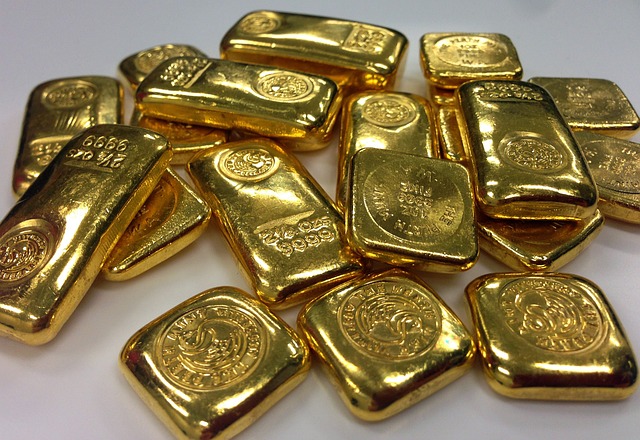
· Bars: If you’re going for the “bond villain” aesthetic, this is your move. Just remember: selling a 1-kilo bar is slightly less convenient than selling a coin. Try buying groceries with it. I dare you.
Downsides: You’ll need a safe, insurance, and the ability to resist the urge to bury it in the backyard.
2. Gold ETFs: For People Who Preepixels Over Shiny Things
If hiding gold under your floorboards isn’t your style, consider an ETF like GLD or IAU. With a few clicks, you can own a slice of a massive gold hoard sitting in a vault in London or New York. No safes, no security concerns — just pure, uncomplicated exposure to gold prices.
Downsides: You can’t touch it, and it’s hard to impress a date with your ETF statement.
3. Gold Mining Stocks: Betting on the Pickaxe, Not the Gold
Why dig for gold yourself when you can invest in the people doing the digging? Mining stocks like Newmont or Barrick offer leveraged exposure to gold prices. If gold rises, their profits can soar. But beware — you’re also betting on management competence, geopolitical stability, and the company not accidentally mining a dinosaur skeleton instead of gold.
4. Gold Futures: For Masochists and Math Geeks
If you enjoy complexity, leverage, and the constant threat of financial ruin, futures might be for you. For everyone else? Stick to coins or ETFs. This is the deep end of the pool, and there are no floaties.
—
Part 3: The Not-So-Shiny Side of Gold
Gold isn’t all sunshine and rainbows. Here’s where it loses a bit of its luster:
· It Pays You Nothing
Gold doesn’t generate dividends or interest. It’s like owning a beautiful painting that just hangs there, silently judging your life choices. Meanwhile, your S&P 500 index fund is quietly compounding in the background.
· It Can Be Volatile
Despite its “safe haven” reputation, gold can have wild mood swings. It can go through years of stagnation or sudden drops. It’s less a stable store of value and more a drama queen with a PhD in economics.
· Storage and Costs
Physical gold requires security, insurance, and possibly a dramatic reveal to your grandchildren decades from now. ETFs charge fees. Mining stocks come with operational risks. Nothing in life — or gold — is truly free.
—
Part 4: So… Should You Buy It?
Here’s the honest, slightly cynical take:
Gold is not an investment. It’s insurance.
You don’t buy fire insurance hoping your house will burn down. Similarly, you don’t buy gold hoping it will triple in value. You buy it because it’s the one thing that might hold up when everything else is falling apart.
A small allocation — say, 5% of your portfolio — can be a smart move. It’s the financial equivalent of keeping a first-aid kit in your car. You’ll hopefully never need it, but you’ll sleep better knowing it’s there.
—
Final Word: Think of Gold as a Backup Singer, Not the Lead Vocalist
Gold won’t make you rich overnight. It won’t replace a well-diversified portfolio of stocks and bonds. But in a world of digital currencies, speculative bubbles, and geopolitical nonsense, it offers something rare: tangible, timeless, and totally irrational comfort.
Now, if you’ll excuse me, I’m off to polish my collection of gold-plated paperweights. Just in case.