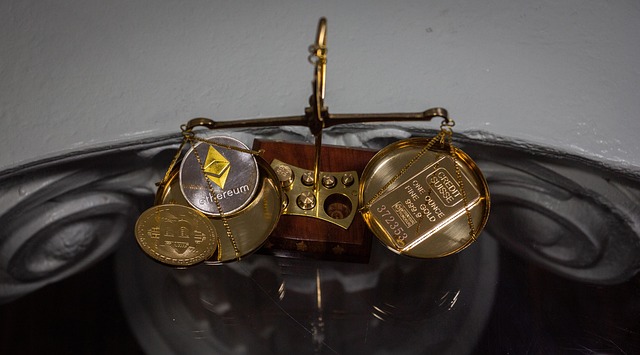
Let’s talk about gold. That shiny, dense, and utterly seductive metal that has been causing trouble and storing wealth since King Midas accidentally turned his breakfast into a collectible. In a world of cryptic cryptocurrencies, dizzying derivatives, and stocks that behave like a caffeinated squirrel on a rollercoaster, gold stands as a stoic, ancient, and seemingly simple relic.
But is it a timeless safe haven for your hard-earned cash, or a “barbarous relic” (as Keynes famously called it) that just sits there, looking pretty and doing nothing? Strap in, as we dig into the glimmering, and often paradoxical, world of gold investment.
Part 1: Why Gold? The Case for the Original Rock Star
Gold doesn’t pay dividends. It doesn’t grow. It doesn’t innovate. You can’t live in it (unless you have a very large safe and a strange definition of “cozy”). So, why on earth does anyone bother?
1. The Ultimate Drama Queen (A.K.A. The Safe Haven): When the economic sky is falling—when stocks are plummeting, banks are looking shaky, and politicians are using words like “unprecedented”—investors run for cover. And what better cover than a heavy, yellow metal that has been valued for 5,000 years? Gold is the financial world’s comfort blanket. It’s the asset you hug tightly when everything else is on fire. In times of crisis, its price often zigs when everything else zags.
2. The Inflation Slayer (in Theory): Picture your cash under the mattress. Now picture that mattress in an economy with 8% inflation. Every year, your money is quietly getting a haircut, a shave, and a wardrobe theft, all at once. Gold, over the very long term, has historically maintained its purchasing power. While the price of a loaf of bread soars, an ounce of gold should, in principle, still buy you a nice basket of groceries. It’s a guard against your money becoming… well, Monopoly money.
3. The Low-Interest-Rate Lover: Gold is a bit of a diva when it comes to interest rates. When rates are low, savings accounts and government bonds pay you diddly-squat. This makes holding gold, which pays you nothing, a lot less painful. Why earn 0.5% in a bank when you could own a piece of history that glitters? But when rates rise, the opportunity cost of holding gold (the interest you could be earning) goes up, and gold can get a bit sulky.
Part 2: How to Own the Glitter: A Guide for the Modern Prospector
Forget panning in a river; you’ll mostly get backaches and weird looks from tourists. Here are the modern ways to get your hands on gold.
1. The Physical Stuff: For the Prepper and the Pirate in You
· Bullion (Bars & Coins): This is the real deal. Holding a heavy gold coin gives you a primal thrill that a digital stock certificate simply can’t match.
· Pros: Tangible, no counter-party risk (it’s yours, physically), immensely satisfying to stack.
· Cons: Storage (hello, safe deposit box or a very well-hidden floorboard), insurance, and the “spread” (the difference between the buy and sell price, which is the dealer’s profit and your initial loss). Also, trying to barter a gold Krugerrand for pizza during a zombie apocalypse might be trickier than you think.
· Jewelry: Ah, the sneaky way to invest. “But honey, this necklace isn’t an expense, it’s a liquid asset!”
· Pros: Wearable, beautiful, and you get to enjoy it.
· Cons: The markup is astronomical. You’re paying for craftsmanship and retail markups, not just the gold content. It’s a terrible “investment” but a wonderful purchase.
2. The Paper Stuff: For the Pragmatist Who Doesn’t Want a Safe
· Gold ETFs (Exchange-Traded Funds): This is the most popular way for regular folks to invest. Funds like the SPDR Gold Shares (GLD) buy physical bullion and store it in a massive London vault. You buy a share of the ETF, which represents a fraction of that gold.
· Pros: Incredibly easy, liquid (trade it like a stock), no storage headaches.
· Cons: There’s a small annual fee, and you don’t get to hold the gold. It’s the difference between owning a house and owning a picture of a house. The value is the same, but the experience is… different.
· Mining Stocks: Instead of buying the metal, you buy a piece of the companies that dig it out of the ground.
· Pros: Leverage. If the gold price goes up 10%, a good mining stock might go up 30%. They can also pay dividends.
· Cons: You’re not just betting on gold; you’re betting on management not digging a money pit, geopolitical stability in far-off lands, and not having a mining disaster. It’s a higher-risk, higher-potential-reward game.
Part 3: The Golden Rules: A Dose of Reality
Before you mortgage your house to buy gold ingots, let’s lay down some ground rules.
1. It’s a Insurance Policy, Not a Get-Rich-Quick Scheme. Think of the gold portion of your portfolio as financial crash insurance. You hope you never need it, but you’re glad it’s there when things go south. It’s for wealth preservation, not wealth creation. No one ever got fabulously wealthy from gold alone (unless they discovered a mine in their backyard).
2. Size Matters (Keep it Small). Most financial advisors (the sane ones) suggest allocating only 5-10% of your total portfolio to gold. It’s the seasoning in your financial stew, not the main ingredient. Putting all your eggs in a golden basket is a great way to end up with a very shiny, but very empty, nest.
3. Beware the “Gold Bug.” The financial world is home to the “Gold Bug”—a passionate, often doom-laden individual who will tell you that the entire fiat currency system is on the verge of collapse and that gold is the only true money. While their arguments can be compelling, take them with a huge grain of salt (which, incidentally, is less valuable than gold). Diversification is the mantra of the prudent investor.
4. Timing is (Nearly) Impossible. Trying to time the gold market is like trying to catch a falling guillotine blade. The factors that move it—global fear, real interest rates, central bank policies—are incredibly complex. The best strategy is often dollar-cost averaging: buying a little bit, regularly, over a long period.
The Verdict: To Shine or Not to Shine?
So, should you invest in gold? The answer is a resounding… maybe.
If you’re looking for a stable, long-term store of value to add a dash of diversification and crisis-proofing to your portfolio, then yes, gold deserves a small, shiny seat at your financial table.
If you’re looking for explosive growth, or you believe the world is ending and you need to trade chickens for gold coins, you might be disappointed (and the chickens probably won’t be interested).
In the end, gold is a fascinating, paradoxical, and enduring asset. It’s a piece of history you can hold in your hand, a silent sentinel in a noisy financial world. Just remember, while it may be a golden opportunity, it shouldn’t be the only one you pursue. Now, if you’ll excuse me, I need to go check on my floorboards.