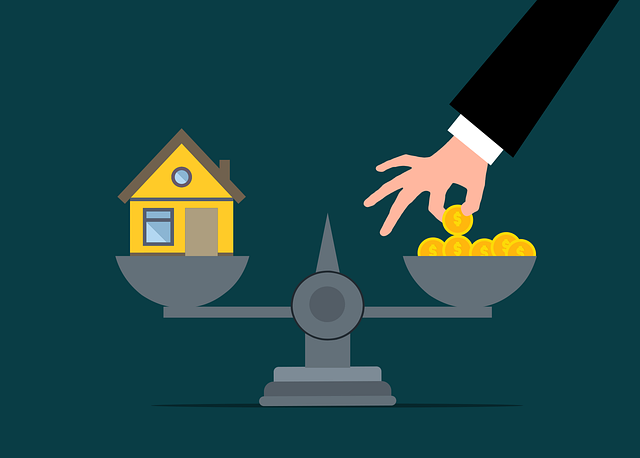
Let’s talk about gold. That luminous, seductive, and utterly irrational metal that has been worshipped, fought over, and hoarded since humans first figured out it was pretty. It’s been used for crowns, coins, and fillings — because nothing says “I’m fancy” like a mouthful of monetary policy.
In the world of investing, gold is the eccentric aunt who shows up at family gatherings wearing too much jewelry and dispensing dubious wisdom. She doesn’t do anything useful — she doesn’t bake pies or fix the sink — but everyone listens when she talks. So, what’s the deal with gold? Is it a timeless store of value or just a sparkly security blanket for doomsday preppers and central bankers? Let’s dig in — no pun intended (okay, maybe a little).
—
Part 1: Why Would Anyone Invest in a Rock?
Gold doesn’t generate cash flow. It doesn’t innovate. It doesn’t even look that exciting just sitting there. So why do we keep falling for it?
1. The “End of the World” Insurance Policy
When things go sideways— inflation spikes, governments print money like it’s Monopoly, or geopolitics gets messy — gold tends to hold its ground. It’s the asset you want in your portfolio when everyone else is running around like their hair is on fire. Think of it as the financial equivalent of a well-stocked bunker. You hope you never need it, but it’s nice to know it’s there.
2. The Inflation Hedge (Sort Of)
The theory goes like this:while central banks can create infinite amounts of paper (or digital) money, they can’t create infinite gold. So when your currency starts feeling less valuable, gold — being rare and tangible — should, in theory, retain its purchasing power. It’s like the anti-cryptocurrency: ancient, physical, and impossible to hack (unless someone steals your safe).
3. The Portfolio Diversifier
If your stock portfolio is a rock band,gold is the moody bassist who doesn’t say much but keeps the rhythm when the guitarists start soloing uncontrollably. It often moves independently of stocks and bonds, which can help smooth out returns when markets get choppy.
—
Part 2: How to Own the Glitter — A Practical Guide
So you’ve decided you want a piece of the shiny action. How do you get in on it without looking like a pawn shop regular?
1. Physical Gold: The “I Can Touch It” Method
For the romantics and the paranoid.
· Coins (e.g., American Eagles, Canadian Maples): Easy to buy, sell, and store (sort of). They’re recognizable and liquid. Downsides? You’ll pay a premium over the spot price, and you’ll need a safe place to keep them. Under the mattress is not a safe place — unless you’re auditioning for a low-budget heist movie.
· Bars: The James Bond villain special. Impress your friends, intimidate your enemies, and try not to throw your back out when moving them. Great for bulk buying, less great for small transactions. Good luck buying groceries with a 1-kilo bar.
· Jewelry: Not an investment. It’s an emotional purchase with a hefty markup. If you’re buying jewelry as an investment, you might as well invest in designer handbags or vintage wine.
2. Gold ETFs: The “I Don’t Have a Vault” Method
For normal people who don’t own a subterranean lair.
ETFs like GLD or IAU let you own gold without ever touching it. The gold is stored in a secure vault (probably under a mountain somewhere), and you get a piece of the action via shares. It’s liquid, cheap, and convenient. The downside? You can’t impress dates by wearing your ETF certificate around your neck.
3. Gold Mining Stocks: The “Leveraged Bet” Method
You’re not buying gold— you’re buying companies that dig it out of the ground. This adds layers of risk and potential reward. If gold prices rise, well-run miners can soar. But you’re also exposed to management mistakes, political instability, mining disasters, and the fact that digging holes in the ground is really, really hard.
4. Gold Futures and Options: The “I Enjoy Pain” Method
Only for professionals,masochists, and finance professors. This is where you can make or lose a fortune before lunch. If you’re reading this article, you’re probably not in this category. Let’s move on.
—
Part 3: The Not-So-Shiny Side of Gold
Gold isn’t all sparkle and smiles. It has its flaws — and they’re significant.
· It Pays You Nothing
Unlike stocks (dividends) or bonds (interest), gold just sits there. It’s the ultimate couch potato asset. You’re betting that someone else will pay more for it in the future — the greater fool theory in a shiny wrapper.
· It’s Volatile
Don’t let its “safe haven” reputation fool you. Gold can have wild swings. It’s more like a moody celebrity than a stable store of value.
· Storage and Security
If you own physical gold, you’ll need to store it. That means a safe, insurance, and possibly a dog named Brutus. These costs eat into returns.
· Emotional Investing
People fall in love with gold. They buy when it’s soaring and sell when it’s crashing — the exact opposite of a smart strategy.
—
Part 4: So — Should You Buy Gold?
Here’s the honest truth:
Gold is not an investment. It’s a hedge.
It’s not meant to make you rich. It’s meant to protect you when other things go wrong.
If you’re going to own gold, keep it small — say, 5–10% of your portfolio. Use it as insurance, not as a growth engine. And for heaven’s sake, don’t try to time the market. Gold is unpredictable, emotional, and occasionally irrational — just like your uncle at Thanksgiving.
—
Final Thought
Gold has been valued for thousands of years — through wars, plagues, and the invention of TikTok. That’s a pretty good track record. It may not be rational, but then again, neither is humanity.
So if you want a little glitter in your portfolio, go ahead. Just don’t expect it to do the heavy lifting. And maybe — just maybe — skip the solid gold toilet. Some things are better left to fantasy.
—
Now, if you’ll excuse me, I’m off to polish my ETF statements. A girl can dream.