Author: admin

  • All That Glitters: A Slightly Irreverent Guide to Investing in Gold

    All That Glitters: A Slightly Irreverent Guide to Investing in Gold

    Let’s talk about the rock star of the periodic table, the OG of wealth, the shiny yellow metal that has been driving humans crazy since a caveman first stumbled upon a nugget and thought, “Ooh, pretty!”—Gold.

    Gold is the James Bond of investments: suave, timeless, occasionally explosive, and surrounded by a cloud of mystique. But is it a secret agent working for your portfolio or a villain in a tuxedo? Strap in, because we’re diving deep into the gilded world of gold investment, separating the fool’s gold from the real deal.

    Part 1: Why Gold? It’s Not Just a Pretty Face

    Before we talk strategy, let’s understand the age-old appeal. Why does this particular metal, which isn’t particularly useful for making anything besides jewelry and Olympic medals, hold such power over us?

    · The Drama Queen of Safe Havens: When the stock market is having a temper tantrum, governments are printing money like it’s going out of style, and the general economic outlook seems to be directed by George R.R. Martin (winter is always coming), investors flee to gold. It’s the financial equivalent of hiding in a bunker with a year’s supply of canned beans. It doesn’t earn interest or dividends; its primary job is to not lose value when everything else is. It’s the ultimate pessimist’s asset, and frankly, sometimes pessimism pays.
    · The Inflation Hedge (That Sometimes Forgets to Hedge): The theory is simple: gold is a real, physical thing. You can’t print more of it (unlike dollars). So, when the value of your paper currency is being eroded by inflation, the value of your gold should, in theory, rise to compensate. Think of it as an anchor in a sea of depreciating cash. Just be aware that this anchor sometimes gets a bit loose and drifts around more than you’d like.
    · The “If Society Collapses” Fantasy: Let’s be real. A tiny part of every gold bug dreams of a post-apocalyptic world where they’ll be the new king, bartering gold coins for canned food and fuel. While it’s a fun (and terrifying) thought experiment, if society truly collapses, you’ll probably be better off with a well-stocked pantry, clean water, and a good set of survival skills. But hey, a gold coin might buy you a slightly nicer tent.

    Part 2: The Golden Smorgasbord: How to Get Your Glitter On

    So, you’re convinced you want a piece of the pie—or in this case, the bar. How do you actually own the stuff? Here’s your menu of options, from the simple to the sophisticated.

    1. The Physical Stuff: For the Pirate at Heart

    This is for those who get a visceral thrill from holding wealth in their hands.

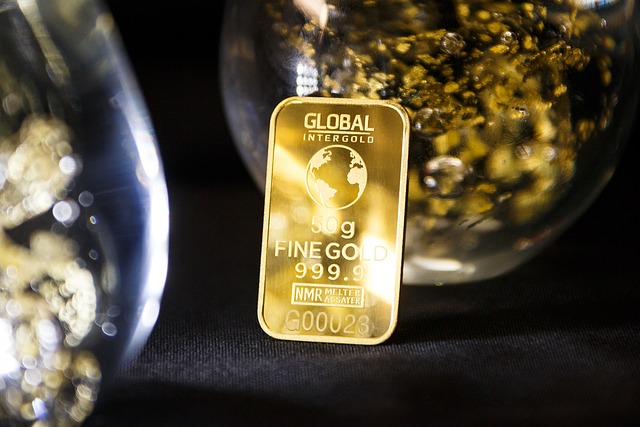
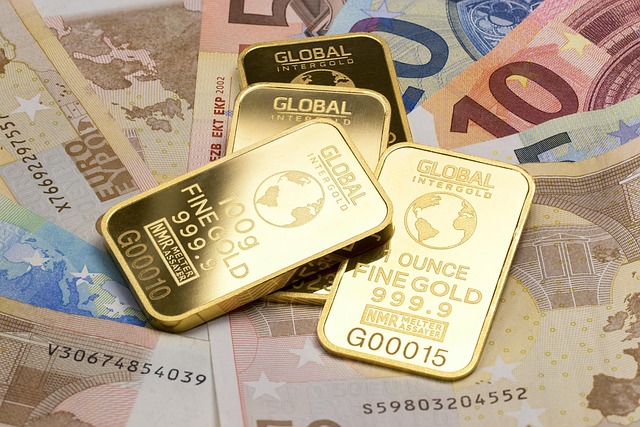
    · Bullion Bars: The classic. You feel like a Bond villain just looking at them. Perfect for building a fort or giving yourself a hernia trying to move your safe. Downsides: storage (hello, bank vault fees!), insurance, and the “spread” (the difference between the buy and sell price) can be hefty.
    · Gold Coins (Eagles, Krugerrands, etc.): Like bars, but more spendable in your post-apocalyptic fantasy. They are highly liquid and recognizable. The premium over the spot price is usually higher than bars, as you’re also paying for the fancy minting.
    · Jewelry: Sure, it’s gold. But you’re paying for craftsmanship and design, not just the metal weight. As an investment, it’s terrible—the resale value is often a fraction of what you paid. Buy jewelry because you love it, not because you think your necklace is a savvy retirement plan.

    2. The Paper Gold: For the Modern, Less-Muscle-Bound Investor

    Don’t want to wrestle with a 20-pound bar? Prefer your assets to be digital? We’ve got you covered.

    · Gold ETFs (like GLD): This is the most popular way for regular folks to invest. You buy a share of a fund that holds physical gold in a massive London vault. It’s like owning a microscopic slice of a giant gold bar. It’s liquid, easy to trade, and you don’t need to worry about storage. The downside? You don’t get to visit your gold and stroke it lovingly. It’s a purely financial relationship.
    · Gold Mining Stocks: Instead of buying the metal, you buy shares in companies that dig it out of the ground. This is a leveraged play on gold. If the gold price goes up, the mining company’s profits can skyrocket, and your stock could outperform the metal. But you’re not just betting on gold; you’re betting on management competence, political stability in mining countries, and the absence of catastrophic mine collapses. It’s higher risk, higher potential reward.
    · Gold Futures and Options: Welcome to the casino. This is for seasoned pros who enjoy heart palpitations and margin calls. We’re not going to detail this here because if you’re at this level, you’re not reading a beginner-friendly guide. Proceed with extreme caution.

    Part 3: The Golden Rules & Saucy Suggestions

    Now for the strategic part. How do you actually use this shiny asset without making a fool of yourself?

    1. It’s a Side Dish, Not the Main Course.
    Let’s be crystal clear:Gold is not where you park your life savings. Think of it as the insurance policy or the diversifier in your portfolio. A common rule of thumb is to allocate 5-10%. More than that, and you’re not investing; you’re speculating on doom.

    2. Understand Its Personality Disorder.
    Gold can be dormant for years,looking lazy and useless, while your tech stocks are soaring. Then, suddenly, it will have a massive growth spurt when you least expect it. Its price is driven by fear, uncertainty, and real interest rates (when rates are low, gold is more attractive because it doesn’t have to compete with yield-bearing assets). Don’t expect it to behave like a stock. It’s the moody artist in your portfolio of steady accountants.

    3. “Buy the Rumor, Sell the News” (Especially the Panic News).
    The time to buy gold is often when thingsseem calm, but storm clouds are gathering on the horizon. The time to think about selling is when everyone is panicking, the news is dominated by crisis, and your barista is giving you gold investment tips. When fear is at its peak, prices are often high.

    4. Don’t Fall in Love.
    This is the hardest rule.You bought a beautiful coin. You gave it a name. You feel smart and safe. But when your strategy says it’s time to rebalance and sell some gold to buy undervalued stocks, you must be ruthless. Gold is a tool, not a pet. Sentimentality has no place in a winning portfolio.

    Conclusion: To Shine or Not to Shine?

    Gold is a fascinating, paradoxical, and often frustrating asset. It’s a relic that remains relevant, a “barbarous relic” (as Keynes called it) that still has the power to protect and grow wealth in modern times.

    A prudent approach? Have some. Don’t bet the farm on it. Use the modern, paper forms for ease and cost-effectiveness unless you truly have a pirate’s soul that demands the physical stuff. Let it sit there in your portfolio, quiet and unassuming, doing its job as your financial insurance policy.

    Because in the grand theater of investing, every portfolio needs a reliable understudy—someone who can step into the spotlight when the lead actors (stocks and bonds) forget their lines. And gold, for all its quirks, has been playing that role for 5,000 years. That’s a track record no other asset can match.

    Now, if you’ll excuse me, I need to check on my ETF. It’s not much to look at, but it never complains about storage fees.

  • Fool’s Gold or Smart Metal? A (Somewhat Gilded) Guide to Investing in the Yellow Stuff

    Fool’s Gold or Smart Metal? A (Somewhat Gilded) Guide to Investing in the Yellow Stuff

    Let’s talk about gold. That shiny, yellow, indestructible metal that has caused more trouble throughout history than a teenager with a credit card. It’s launched a thousand ships, fueled countless conquests, and is the reason your eccentric uncle Dave has a bunker full of canned beans and Krugerrands.

    In the world of investing, gold is the ultimate diva. It doesn’t produce anything, it doesn’t earn interest, and it just sits there, looking pretty. Stocks are the hardworking employees; bonds are the reliable, if boring, accountants. Gold? Gold is the celebrity guest who shows up, causes a scene, and either makes everyone rich or leaves the party in flames.

    So, should you invite this diva into your financial portfolio? Let’s polish up our monocles and take a closer look.

    Part 1: Why on Earth Would Anyone Buy This Stuff?

    First, let’s understand the appeal. Why does this seemingly useless metal hold such sway over us?

    1. The “Sky is Falling” Insurance Policy:
    When the news starts sounding like a plot from a dystopian movie—inflation is soaring,governments are printing money like it’s Monopoly, and politicians are, well, being politicians—people run to gold. It’s the original “safe haven” asset. While paper currencies can be devalued, you can’t print more gold (unless you’re a medieval alchemist, and if you are, please call me). It’s a tangible thing you can hold, which is very comforting when your digital stock portfolio looks like it’s having a seizure.

    2. The Ultimate Diversifier (Because It’s Kind of a Jerk):
    Gold has a fascinating and often perverse relationship with the economy.When things are great, and stocks are soaring, gold often sulks in the corner. But when the stock market catches a cold, gold sometimes decides to throw a party. This low-to-negative correlation makes it a fantastic diversifier. It’s the friend who hates all your other friends, ensuring you’re never bored—or, in this case, completely wiped out.

    3. The Inflation-Fighting Superhero (Sometimes):
    Think of your cash in the bank as a ice cube.Over time, inflation is the sun that slowly melts it. Gold has historically been a decent hedge against this melt. While your dollar buys less bread, an ounce of gold has, over the very long term, retained its purchasing power. It’s not a perfect hedge year-to-year, but across decades, it’s held its own against the inflationary sun.

    Part 2: How to Get Your Hands on the Glitter (Without Getting Mugged)

    So, you’re convinced. You want a piece of the rock. How do you get it? You have more options than a king in a treasure vault.

    1. The Pirate’s Method: Physical Gold
    This is for those who have a genuine,deep-seated urge to stroke a gold bar and whisper “my precious.”

    · Coins & Bullion (Eagle, Krugerrand, Maple Leaf): The classic choice. It’s tangible, it’s beautiful, and it makes you feel like a international financier. The downsides? You have to worry about storage (a safe isn’t cheap) and insurance. Also, the “bid-ask spread” (the difference between the buying and selling price) can be hefty. It’s like buying a new car; it loses a chunk of value the moment you drive it off the lot.
    · Jewelry: While it’s gold, it’s a terrible investment. The craftsmanship markup is enormous. Buying jewelry for investment is like buying a Ferrari to get groceries—you’re paying for the art, not the utility.

    2. The Accountant’s Method: Paper Gold
    For those who like theidea of gold without the hassle of hiding it from fictional pirates.

    · Gold ETFs (Like GLD): This is the most popular way. You buy a share of a fund that holds physical gold in a massive London vault. It’s as easy as buying a stock. You get the price exposure without having to build your own fortress. The cost? A small annual management fee.
    · Gold Mining Stocks: You’re not buying the metal; you’re buying companies that dig it out of the ground. This is a leveraged bet on gold. If the gold price goes up, the miners’ profits can soar. But you’re also exposed to company-specific risks—like a mine collapsing, a government nationalizing assets, or the CEO deciding to hunt for unicorns instead. It’s more volatile than the metal itself.
    · Futures and Options: This is the advanced class. Only for people who understand terms like “contango” and “margin call” and don’t break into a cold sweat upon hearing them. We’ll just smile and nod at this option.

    Part 3: A Few Pieces of (Unvarnished) Advice

    Before you mortgage your house for a gold brick, heed these words.

    1. Don’t Go Full Gollum.
    A little gold goes a long way.Most financial advisors suggest allocating only 5-10% of your total portfolio to it. It’s the hot sauce of your financial taco—too much, and you’ll ruin everything. It’s for insurance and diversification, not for making you the next Scrooge McDuck.

    2. Timing is a Fool’s Game.
    Trying to time the gold market is like trying to tell a cat what to do.It has its own mysterious agenda. The people on TV shouting “GOLD TO $10,000!” are usually the same ones selling you a newsletter. The best strategy is often “dollar-cost averaging”—buying a little bit at a time, regardless of the price. This smooths out the volatility and saves you from the heartache of buying at the very peak.

    3. Remember, It’s a Rock.
    Gold has no earnings,no dividends, and no cash flow. Its value is 100% based on what someone else is willing to pay for it. It’s a speculative asset rooted in collective emotion and fear. Unlike a growing company, it won’t innovate or expand. It will just sit there, being gloriously, stubbornly, gold.

    The Bottom Line: To Gild or Not to Gild?

    So, is gold a fool’s game or a savvy move? The answer, frustratingly, is yes.

    It’s a fool’s game if you bet the farm on it, try to day-trade it based on conspiracy theories, or store it under your mattress where it can be stolen or mistaken for a fancy doorstop.

    It’s a savvy move if you use it as a modest, long-term diversifier and an insurance policy against true economic chaos. It’s the financial equivalent of a fire extinguisher: you hope you never need it, but you’ll be profoundly grateful it’s there if the house catches fire.

    Now, if you’ll excuse me, I need to check on my ETF and reassure my uncle Dave that the digital shares in my brokerage account are, in fact, “real.”

  • Gold: The Shiny Rock That Drives Us Crazy (And How to Invest in It Without Losing Your Shirt)

    Gold: The Shiny Rock That Drives Us Crazy (And How to Invest in It Without Losing Your Shirt)

    Let’s be honest—gold does something strange to people. It’s a metal that we dig out of the ground, melt down, and then lose our collective minds over. We’ve built empires for it, started wars over it, and even crafted jewelry that your great-aunt Ethel insists is “timeless.”

    But what about gold as an investment? Is it the ultimate safe haven, or just a “barbarous relic,” as economist John Maynard Keynes once called it? Well, pull up a chair, and let’s dig into this shiny topic—no hard hat required.

    1. Why Gold? The Emotional & Practical Appeal

    Gold isn’t just a metal; it’s a mood. When the world feels like it’s on fire—stock markets crashing, politicians yelling, your favorite coffee chain discontinuing the pumpkin spice latte—gold stands there, shiny and unbothered.

    Here’s why people flock to it:

    · It Doesn’t Rust or Cry: Unlike your car or your stock portfolio, gold doesn’t corrode. It’s been valuable for thousands of years, surviving everything from the fall of the Roman Empire to the invention of Crocs.
    · The “Fear Factor”: When investors panic, they run to gold like it’s the last bag of chips at a party. It’s the ultimate “safe haven” asset—something that tends to hold its value when everything else is going haywire.
    · Inflation’s Nemesis? When central banks print money like there’s no tomorrow, the value of paper currency can drop. Gold, however, can’t be printed. It’s like the anti-inflation superhero—if Superman wore a gold cape.

    But let’s be real: gold doesn’t pay dividends. You can’t live in it (unless you’re Scrooge McDuck), and it won’t keep you warm at night (unless you fashion it into a blanket, which is wildly impractical). So, how do you invest in this emotional, glittery, and sometimes irrational metal?

    2. How to Invest in Gold: A Toolkit for the Modern Investor

    If you’re thinking of buying gold bars and storing them under your mattress—stop. That’s a plot from a heist movie waiting to happen. Here are the smarter (and less dramatic) ways to invest:

    1. Physical Gold: The “I-Touch-This” Method

    · Gold Bullion: Yes, you can buy actual gold bars. They’re heavy, satisfying to hold, and make you feel like a pirate. But there are downsides: storage costs, insurance, and the awkwardness of trying to sell a gold bar to your neighbor Dave.
    · Gold Coins: Coins like the American Eagle or Canadian Maple Leaf are recognizable and easy to trade. Just be prepared to pay a premium over the spot price (the extra cost is basically for the “ooh, shiny” factor).

    Verdict: Good for doomsday preppers or people who really, really like shiny things. Not so great for convenience.

    2. Gold ETFs: The “I-Want-Gold-But-Also-a-Life” Method
    Gold ETFs(Exchange-Traded Funds) like GLD or IAU are like gold, but for people who prefer apps over vaults. You own shares in a fund that holds physical gold. It’s liquid, easy to trade, and you don’t need to worry about storing it in your basement.

    Verdict: The most practical way for everyday investors to dabble in gold.

    3. Gold Mining Stocks: The “Rollercoaster” Method
    When you buy shares in gold mining companies,you’re not just betting on gold—you’re betting on the company’s ability to find it, dig it up, and not go bankrupt in the process. These stocks can soar when gold prices rise, but they can also crash if the company hits a rocky (pun intended) patch.

    Verdict: Higher risk, higher potential reward. Not for the faint of heart.

    4. Gold Futures and Options: The “I’m-Feeling-Lucky” Method
    This is the high-stakes poker of gold investing.You’re making bets on where gold prices will be in the future. It’s complex, leveraged, and can lead to spectacular wins or soul-crushing losses.

    Verdict: Leave this to the pros—or masochists.

    3. Golden Rules: Strategies & Savvy Advice

    Now that you know how to invest, let’s talk about when and why. Because timing is everything—unless you’re a watchmaker, in which case, you’ve got other problems.

    1. Diversify, Don’t Obsess
    Gold should be part of your portfolio,not all of it. Think of it as the salt in your financial stew—too little, and it’s bland; too much, and it’s inedible. Most experts suggest allocating 5%–10% of your portfolio to gold.

    2. Hedge Against Chaos
    When the economy is booming,gold might just sit there, looking pretty. But when things go south, it can be your financial life raft. Use it as insurance, not a get-rich-quick scheme.

    3. Keep an Eye on the “Goldilocks Zone”

    · Interest Rates: When interest rates are low, gold becomes more attractive (since it doesn’t pay interest anyway).
    · Inflation: If you think inflation is about to skyrocket, gold might be your best friend.
    · Geopolitical Drama: Wars, elections, trade wars—gold loves a good crisis.

    4. Don’t Try to Time the Market
    Buying gold at its lowest and selling at its peak is like trying to catch a falling knife while blindfolded.Even experts get it wrong. Instead, consider dollar-cost averaging—buying a little at a time, regardless of price.

    4. The Bottom Line: Is Gold for You?

    So, should you invest in gold? Well, it depends.

    · If you’re looking for steady income: Look elsewhere. Gold is about preservation, not profit.
    · If you want to sleep well at night: A little gold might be the financial Xanax you need.
    · If you’re preparing for the apocalypse: Sure, stock up on gold bars. But maybe also invest in canned beans.

    In the end, gold is more than just a metal—it’s a story. A story of stability, fear, greed, and hope. It’s the shiny rock that has captivated humanity for millennia, and it’s not going anywhere.

    As the old Wall Street saying goes: “If you don’t own gold, you know neither history nor economics.” But if you own too much gold, you probably also don’t have any friends—because all you talk about is the end of the world.

    So go ahead, add a little sparkle to your portfolio. Just remember: even gold can’t fix a bad financial plan. Now, if you’ll excuse me, I’m off to check if my gold ETF is still shining.

  • Fool’s Gold or Smart Metal? A (Somewhat Gilded) Guide to Investing in Gold

    Fool’s Gold or Smart Metal? A (Somewhat Gilded) Guide to Investing in Gold

    Let’s talk about gold. That shiny, yellow, indestructible metal that has caused more trouble throughout history than a teenager with a credit card. It’s launched a thousand ships, fueled countless rushes, and sits in central bank vaults with the solemn importance of a sleeping dragon.

    But is it a good investment for you? The guy or gal who just wants to retire before their knees give out? The answer is as nuanced as a sommelier describing a bottle of wine. It’s not a simple “yes” or “no.” It’s a “well, it depends, and please don’t bury it in your backyard.”

    So, grab a cup of coffee (in a non-gilded mug, you’re not a monarch yet), and let’s demystify the world of gold investing.

    Part 1: Why Gold? The Case for the Original Rock Star

    Before we get into the “how,” let’s talk about the “why.” Why does this particular element, atomic number 79, have such a hold on us?

    1. The Ultimate Drama Queen (A.K.A. The Safe Haven):
    When the world gets a case of the economic jitters—when stocks are plummeting faster than your confidence on a bad hair day,when politicians are squabbling, and the news cycle is pure doom-scrolling fuel—investors run to gold. It’s the financial equivalent of hiding under a blanket fort. It doesn’t generate anything (unlike a company that makes profits), but it also can’t go bankrupt. It just is. This “fear trade” is why gold often zigs when everything else zags.

    2. The Grandfather of Inflation-Fighters:
    Your cash in the bank is a little like a snowman in the sun—it’s slowly melting due to inflation.Gold, over the very long term, has historically held its purchasing power. Your great-grandpa could buy a fine suit with an ounce of gold in 1920, and you could probably still buy a fine suit with that same ounce today (maybe not as fine, but you get the point). It’s a store of value when the paper money in your wallet feels like it’s on a diet.

    3. The Tangible Temptation (The Pirate Fantasy):
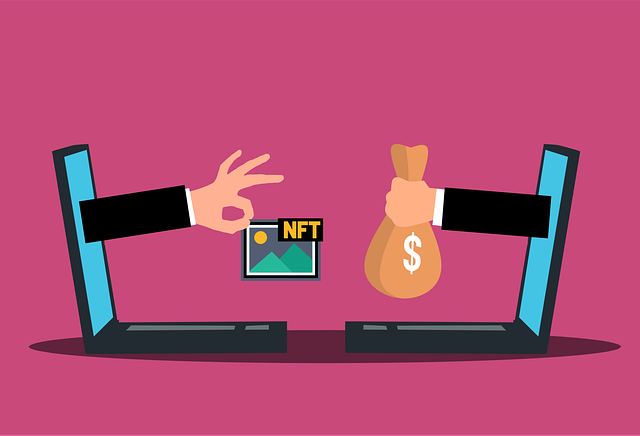
    Let’s be honest.There’s a primal satisfaction in holding a gold coin. It feels real. It feels substantial. You can’t right-click and copy a gold bar. In our increasingly digital world of NFTs and cryptocurrency, gold offers a comforting, heavy, “you-can’t-hack-this” physicality. It appeals to the inner dragon or pirate in all of us who just wants to sit on a pile of shiny stuff.

    Part 2: The Tarnished Truth – The Downsides of the Midas Touch

    Now, let’s cool our jets. Gold is not a perfect investment. It has flaws, and they are doozies.

    1. The Lazy Asset:
    Gold is the couch potato of investments.It pays no dividends. It issues no interest. It just sits there, looking shiny. Unlike a stock, which represents a piece of a company that’s (hopefully) growing and innovating, gold’s value is purely based on what someone else is willing to pay for it. It’s a speculative asset, not a productive one. You’re betting on fear and scarcity, not on human progress.

    2. Volatility is its Middle Name:
    While it’s a safe haven in a crisis,don’t think for a second it only goes up. Gold prices can be wildly volatile. You can have years where it does absolutely nothing, followed by a sharp spike, followed by a long, painful slump. Trying to time the gold market is like trying to catch a falling knife while blindfolded. It’s not for the faint of heart.

    3. The Pesky Practicalities:
    If you own physical gold,you have to worry about storage (a safe deposit box isn’t free), insurance (because “my gold got stolen” is a very expensive sentence), and authenticity (is this a real bar or just a very convincing chocolate wrapper?). And when you want to sell, you might not get the full “spot price,” as dealers need their cut. It’s less liquid than hitting the “sell” button on your brokerage app.

    Part 3: How to Get Your Glitter On – Investment Strategies That Don’t Require a Shovel

    Alright, you’re still interested. How does a sane, modern person invest in gold? Here are the main avenues, from the simple to the sophisticated.

    1. The ETF (The Easy Button):
    For 99%of people, this is the way to go. Exchange-Traded Funds (ETFs) like GLD or IAU are like buying a slice of a giant vault of gold. You get all the price exposure without having to worry about storage, insurance, or fending off pirates. It’s as easy as buying a stock. It’s liquid, cheap, and efficient. This is my top recommendation for most investors.

    2. The Physical Stuff (The “I Told You So” Portfolio):
    If you absolutely must have something you can hold,stick to recognized coins (like American Eagles or Canadian Maple Leafs) or bars from reputable dealers. Allocate a small, small portion of your net worth to this—think of it as financial disaster insurance, not a core investment. And for the love of all that is holy, use a secure vault or a safe deposit box. Your garden is for tulips, not treasure.

    3. Gold Mining Stocks (The Leveraged Bet):
    This isn’t investing in gold;it’s investing in companies that dig up gold. It’s a different beast. When gold prices go up, mining company profits can soar, and their stock prices can rise even faster. But you’re also taking on company-specific risks: bad management, mining disasters, political instability in the country they operate in. It’s like betting on the horse and the jockey, while the horse is running in a minefield.

    4. Gold Futures and Options (The “I Have a Death Wish” Strategy):
    Let’s be clear:this is not investing. This is high-stakes speculation for professionals with iron stomachs and advanced degrees in risk management. If you’re reading this article to learn the basics, stay far, far away from this category. It’s a great way to turn a large amount of money into a very small amount of money, quickly.

    The Final Verdict: A Sprinkling of Glitter, Not a Solid Gold Statue

    So, what’s the smart play?

    Think of gold as financial cayenne pepper. You don’t make a meal out of it. You add a pinch to spice up your portfolio and add diversification. A common suggestion is to allocate 5-10% of your overall portfolio to gold and other commodities.

    It’s not the engine of your financial growth—that should be a diversified portfolio of stocks and bonds. It’s the shock absorber. It’s the part of your portfolio that you hope doesn’t go up, because if it does, it probably means the rest of your investments are having a terrible time.

    In the end, gold is a fascinating, ancient, and often misunderstood asset. It’s not “fool’s gold,” but it’s also not a magic wealth-generating machine. It’s a tool. Used wisely, in small doses, it can make your financial plan more resilient. Used foolishly, it can be a shiny, expensive distraction.

    Now, if you’ll excuse me, I need to go check on my ETF. It’s not as fun as a chest of doubloons, but it’s a lot easier to carry.

  • Fool’s Gold or Smart Sanctuary? A (Somewhat Gilded) Guide to Investing in the Yellow Metal

    Fool’s Gold or Smart Sanctuary? A (Somewhat Gilded) Guide to Investing in the Yellow Metal

    Let’s talk about gold. That shiny, dense, and utterly seductive metal that has caused more trouble throughout history than a reality TV star. It’s been the root of empires, the cause of wars, and the reason your eccentric uncle Dave has a safe buried in his backyard that he won’t stop talking about at Thanksgiving.

    In the world of investing, gold is the ultimate Rorschach test. To some, it’s the only “real” money, a timeless safe haven in a world of flimsy paper currency. To others, it’s a “barbarous relic,” a shiny rock that pays no dividends and just sits there, judging you while your friends are getting rich on tech stocks.

    So, who’s right? Is gold a prudent pillar of your portfolio, or are you just paying a fortune to guard a very heavy paperweight? Let’s dig in (without needing a pickaxe).

    Part 1: Why Gold? The Allure of the Ancient Asset

    Before we get into the “how,” let’s explore the “why.” Why does this particular element, atomic number 79, hold such sway over the human psyche and our pocketbooks?

    1. The “Sky is Falling” Insurance Policy (The Doomsday Argument)
    This is Uncle Dave’s favorite.When headlines scream about inflation, political instability, or a zombie apocalypse, gold bugs (the affectionate term for gold enthusiasts) nod sagely. They see gold as the ultimate financial life raft. While paper money can be printed into oblivion, you can’t print gold. It’s tangible. You can hold it. In a true crisis, you can’t eat a stock certificate, but you could theoretically trade a gold coin for a can of beans (probably a lot of cans). It’s the asset you hope you never need, but are glad to have if things truly go sideways.

    2. The Inflation Hedge (The “Your Cash is Melting” Argument)
    Imagine you buried$1,000 in your backyard in 1970. If you dug it up today, you’d have… $1,000. Now, imagine you used that $1,000 to buy gold in 1970. You’d be sitting on a much larger sum today. The idea is that gold tends to hold its purchasing power over the very long term. When the cost of living goes up, the price of gold often follows, protecting you from the silent thief of inflation that steadily pickpockets your cash savings.

    3. The Portfolio Diversifier (The “Don’t Put All Your Eggs in One Basket” Argument)
    This is the most respected,academically sound reason to own gold. Gold often—but not always—moves inversely to the stock market. When stocks are in a panic, gold can be a beacon of stability. By adding a slice of gold to a portfolio of stocks and bonds, you can potentially smooth out the ride and reduce your overall risk. It’s the financial equivalent of having a friend who’s calm and sensible, balancing out your other friend who’s always either ecstatic or having a meltdown (we’re looking at you, Bitcoin).

    Part 2: The Golden Smorgasbord: How to Get Your Glitter On

    So, you’re convinced you want a piece of the pie—or in this case, the nugget. How do you actually go about it? You have more options than a king at a medieval feast.

    1. The Pirate’s Choice: Physical Gold
    This is the classic approach.You buy the actual metal. It feels substantial, but comes with hassles.

    · Bullion (Bars & Coins): This is the purest form. You can buy coins like the American Eagle or South African Krugerrand, or bars ranging from the size of a candy bar to a brick.
    · Pros: Ultimate tangible asset. No counter-party risk (it’s yours, physically).
    · Cons: Premium: You pay more than the spot price. Storage: Do you trust your sock drawer? A safe? A bank vault (which costs money)? Insurance: Yes, you need it. Liquidity: Selling can be a pain, and you might not get the full spot price.

    2. The Easy Button: Gold ETFs (Exchange-Traded Funds)
    For most modern investors,this is the way. ETFs like GLD or IAU hold massive amounts of physical gold in secure vaults (like Fort Knox, but less secretive). When you buy a share, you own a slice of that gold.

    · Pros: Incredibly easy to buy and sell in your brokerage account. No worries about storage or theft. Low expenses.
    · Cons: You don’t get to hold the gold. It’s a paper claim on a real asset, which purists despise. There are very small annual fees.

    3. The Rollercoaster: Gold Miner Stocks
    Instead of buying the metal,you buy shares in companies that dig it out of the ground (e.g., Newmont Corporation, Barrick Gold).

    · Pros: Leverage: If the gold price goes up, the miners’ profits can go up even more, potentially supercharging your returns. They can pay dividends.
    · Cons: It’s not just about gold: You’re exposed to company-specific risks—bad management, mining disasters, labor strikes. These stocks can be far more volatile than the gold price itself.

    4. The Digital Alchemist: Gold Futures and Options
    This is the high-stakes poker table of gold investing.You’re making complex bets on the future price of gold.

    · Pros: Potential for huge gains with little upfront capital.
    · Cons: Equally potential for huge, catastrophic losses. This is strictly for seasoned professionals and masochists. For everyone else, it’s a fantastic way to turn your money into a learning experience.

    Part 3: The Tarnished Truth – Warnings from the Gold Vault

    Gold is not a perfect prince. It has flaws, and it’s crucial to know them before you propose.

    · The “Sleeping Beauty” Problem: Gold is a sterile asset. It doesn’t produce anything. Unlike a stock that pays dividends or a bond that pays interest, gold just… sits there. It doesn’t innovate, hire employees, or create products. Its return is 100% dependent on what someone else is willing to pay for it in the future. It’s the ultimate “greater fool” theory asset.
    · Volatility is Still a Thing: While it’s a safe haven in a crisis, its price can be wildly volatile in the short term. Don’t be fooled by its serene reputation; it can have temper tantrums.
    · Opportunity Cost: The money you have tied up in gold is not invested in income-producing assets like growing companies. While gold is protecting you, it might also be holding you back from greater growth during bull markets.

    The Golden Rule: A Modest Proposal

    So, after all this, what’s the verdict?

    Think of gold not as a get-rich-quick scheme, but as portfolio insurance and a diversification tool. The financial equivalent of a fire extinguisher: you hope you never need it, but it’s wise to have one in the house.

    Most financial advisors suggest a small allocation, typically 5-10% of your total portfolio. This is enough to provide a diversification benefit without putting your long-term growth prospects in a gilded cage.

    Don’t let fear or greed drive your decision. Don’t buy gold because a talking head on TV is predicting the end of the world. And don’t sell it all because it’s had a few quiet years. Be strategic, be calm, and for heaven’s sake, unless you’re a true survivalist or a pirate, just buy the ETF.

    In the end, gold’s real value may be less about the metal itself and more about the peace of mind it provides. And in a crazy world, a little peace of mind can be worth its weight in, well, you know.

  • Your Guide to Gold Investment: Strategies, Risks & Market Trends Explained!

    Your Guide to Gold Investment: Strategies, Risks & Market Trends Explained!

    Navigate the world of gold investing with confidence. We break down key strategies, analyze risks and rewards, and provide clear insights on market trends to help you make informed investment decisions.

    Welcome to Your Comprehensive Guide to Gold Investment

    In an ever-changing financial landscape marked by market volatility, inflationary pressures, and geopolitical uncertainty, gold has long stood as a symbol of stability and a cornerstone of prudent wealth preservation. Whether you’re a seasoned investor looking to diversify your portfolio or a newcomer exploring alternative assets, understanding the intricacies of gold investment is essential for making informed, strategic decisions. Welcome to Your Guide to Gold Investment: Strategies, Risks & Market Trends Explained—your trusted destination for clear, comprehensive, and actionable insights into the world of gold.

    Gold is more than just a precious metal; it’s a globally recognized store of value with a history spanning thousands of years. Unlike paper currencies, gold is not subject to the same inflationary devaluation or credit risks. This inherent resilience makes it an attractive hedge against economic downturns, currency fluctuations, and rising inflation. However, investing in gold is not without its complexities. From choosing the right form—physical bullion, gold ETFs, mining stocks, or futures—to understanding the timing and macroeconomic factors that influence its price, there are many variables to consider.

    This website is designed to demystify the gold market and empower you with knowledge. We provide in-depth analysis of proven investment strategies tailored to different risk profiles and financial goals. Whether you’re interested in long-term wealth protection, short-term trading opportunities, or using gold as a diversification tool within a broader asset allocation plan, our expertly curated content offers practical guidance.

    We go beyond surface-level advice by examining the key drivers of gold prices, including central bank policies, interest rates, U.S. dollar strength, and global supply and demand dynamics. Our regular updates on market trends ensure you stay ahead of the curve, while our detailed risk assessments help you understand potential downsides, such as price volatility, storage costs, and liquidity concerns.

    Transparency and education are at the heart of our mission. We believe that informed investors are successful investors. That’s why we break down complex financial concepts into clear, accessible language and provide real-world examples to illustrate key points. From beginner’s guides to advanced technical analysis, our resources cater to all levels of expertise.

    Navigate the world of gold investing with confidence. Explore our articles, expert commentary, and strategic frameworks to build a resilient portfolio that stands the test of time. Welcome to smarter gold investing—welcome to your guide.