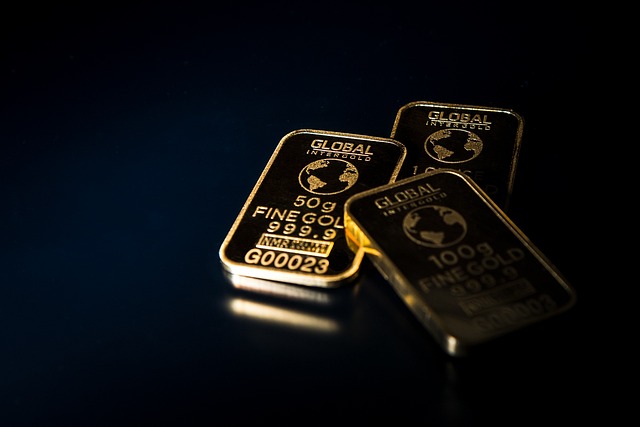
Let’s talk about gold. That luminous, heavy, and utterly irrational metal that humans have been digging up, worshipping, and occasionally starting wars over since, well, forever. It doesn’t do much. It just sits there. Shining. Judging you.
In the world of investing, gold is the eccentric aunt who shows up at family gatherings wearing too much jewelry and giving dubious life advice. She doesn’t do anything productive, but everyone listens anyway. So — is gold a timeless store of value, or just a glittering paperweight? Let’s dive into the vault and find out.
—
Why Gold? A Brief History of Our Collective Obsession
Gold has been valuable for so long that if it were a person, it would have its own Wikipedia page, a biopic, and several questionable Twitter fan accounts.
1. The “If the World Ends” Argument
When things go sideways — think inflation spikes, political drama, or that moment you realize your cryptocurrency portfolio is worth less than a grocery store coupon — gold tends to hold its ground. It’s the asset people flee to when they stop trusting governments, central banks, and sometimes even reality. It’s the financial equivalent of keeping canned beans and a shotgun in the basement. You hope you never need it, but it feels good to know it’s there.
2. The “They Can’t Print This” Argument
Governments can print money. In fact, during crises, they often print lots of it. But try as they might, they can’t print gold. Supply is limited. It’s rare. It’s difficult to mine. This scarcity gives gold an aura of permanence that the dollar, euro, or your local currency — which might be suffering from an existential crisis — simply can’t match.
3. The “Don’t Put All Your Eggs in One Basket” Argument
A well-diversified portfolio is like a well-balanced diet. You’ve got your stocks (the protein), your bonds (the fiber), and then you’ve got gold — the hot sauce. You don’t want too much, but a little can make everything more interesting. Gold often moves independently of other assets, which means when your tech stocks are crashing, gold might just be quietly appreciating in the corner, sipping its tea.
—
How to Buy Gold: From Bullion to Bytes
If you’re sold on the idea (or at least curious), here’s how you can get your hands on some — physically or digitally.
1. Physical Gold: For Pirates and Preppers
There’s something deeply satisfying about holding a gold coin. It feels… legitimate. Like you’re a pirate, or a supervillain.
· Coins (e.g., American Eagles, Canadian Maples): Recognizable, easy to trade, and beautiful. Perfect for admiring while ignoring your stock portfolio’s latest dip.
· Bars: The bigger, the more dramatic. Also, the harder to sell quickly. Try buying groceries with a 1-kilo gold bar and see how that goes.
· Jewelry: Not really an investment. More of an “I love you, but also, if things go south, we can pawn this” situation.
Downsides: You’ll need a safe. Or a really creative hiding spot. Also, insurance. And no, telling your home insurer “it’s in a sock under the bed” won’t cut it.
2. Gold ETFs: For People Who Prevefer Clean Hands
Don’t want to turn your home into Fort Knox? Meet the SPDR Gold Shares (GLD) ETF. When you buy shares of GLD, you own a piece of a giant pile of gold bars stored in a vault somewhere — probably under a mountain, guarded by men with earpieces. It’s liquid, easy to buy and sell, and you don’t have to worry about anyone stealing it (unless they hack the financial system, but let’s not go there).
3. Gold Mining Stocks: Betting on the Pickaxe, Not the Gold
Instead of buying gold, you buy companies that dig it up. This is a leveraged play: if gold prices rise, mining stocks can soar. But you’re also betting on management competence, geopolitical stability, and the company not accidentally mining into an active volcano. Higher risk, potentially higher reward.
4. Futures and Options: For Masochists and Math Geniuses
We’re not even going to detail this. If you’re reading this guide, futures aren’t for you. Let’s just say it involves leverage, margin calls, and a strong stomach.
—
The Dark Side of Gold: It’s Not All Sparkles
Gold has its flaws. And no, we’re not just talking about how it clashes with silver jewelry.
· It’s a Lazy Asset: Gold doesn’t pay interest or dividends. It just sits there. Like a rock. Because it is one. Your money isn’t “working” for you — it’s napping.
· It’s Volatile: Despite its “safe haven” reputation, gold can have sharp price swings. It’s emotional. It reacts to fear, speculation, and sometimes, it seems, the phases of the moon.
· Storage and Costs: If you go the physical route, storage and insurance will eat into your returns. That “safe” asset suddenly comes with a yearly bill.
—
So — Should You Buy Gold?
Here’s the honest truth:
Gold is not an investment in the traditional sense. It’s a store of value and a hedge against chaos. It’s the part of your portfolio that whispers, “I’ve seen things…” when everything else is screaming.
A little goes a long way. Most financial advisors suggest keeping 5–10% of your portfolio in gold or other precious metals. Anything more, and you’re not investing — you’re building a bunker.
—
Final Thought: Shine On, You Crazy Metal
Gold has survived empires, economic collapses, and the rise of Bitcoin. It’s been a symbol of power, beauty, and stability for millennia. In a world of NFTs, meme stocks, and algorithmic trading, there’s something almost comforting about owning a piece of a shiny rock that’s been valued since the Pharaohs.
So, if you’re going to buy gold, do it with clarity. Understand why it’s there. Don’t expect it to make you rich. Expect it to be there when — or if — things get weird.
Now, if you’ll excuse me, I’m off to polish my coin collection and rethink my life choices. Happy investing