Author: admin

  • Fool’s Gold or Smart Metal? A (Somewhat Gilded) Guide to Investing in the Yellow Stuff

    Fool’s Gold or Smart Metal? A (Somewhat Gilded) Guide to Investing in the Yellow Stuff

    Let’s talk about gold. That shiny, yellow, indestructible metal that has caused more trouble throughout history than a toddler with a permanent marker. It’s been the root of empires, the ruin of kings, and the reason your weird uncle Dave has a bunker full of canned beans and gold coins.

    In the world of investing, gold is the ultimate paradox. It’s seen as both the safest haven in a storm and a “barbarous relic” (as the famous economist John Maynard Keynes called it) that pays you no interest and just sits there, looking pretty. So, is gold a brilliant cornerstone of your portfolio or a glittering paperweight? Let’s dig in (without needing a pickaxe).

    Part 1: Why Gold? The Case for the Original Rock Star

    Before we had NFTs, Bitcoin, and meme stocks, we had gold. It was the original influencer, and it’s still got a few good reasons for its celebrity status.

    1. The Ultimate Drama Queen (A.K.A. A Safe Haven)
    When the world loses its mind—when stocks are plummeting faster than your confidence on a bad hair day,when politicians are squabbling, and when the news cycle is giving you existential dread—investors run to gold. It’s the financial equivalent of hiding under a blanket fort. Why? Because it’s a real asset. You can hold it. You can’t hold a stock certificate and feel safe (though you could try to burn it for warmth, I suppose). This “fear trade” means gold often zigs when everything else zags.

    2. The Inflation-Fighting Superhero (Or at Least a Sidekick)
    Remember when you could buy a house for a handful of seashells?No? Good. But your grandparents might remember when a gallon of milk cost a quarter. Currencies lose value over time. Gold, however, has maintained its purchasing power for centuries. While your cash is slowly turning into Monopoly money in your savings account, an ounce of gold could still buy you a nice suit today, just as it could in the 1930s. It’s not a perfect hedge, but it’s a storied defense against the silent thief of inflation.

    3. The Poster Child for Scarcity
    They’re not making any more of it.Sure, we can mine it, but that’s getting harder, more expensive, and environmentally messy. Unlike a government that can just print more money when it feels peckish (looking at you, every government ever), the global supply of gold only increases by about 1-2% per year. Basic economics: limited supply + steady demand = price stability (or growth).

    Part 2: The Tarnished Truth – Gold’s Glaring Weaknesses

    Now, let’s pour some cold water on this golden shower of praise. Gold has some significant flaws you can’t ignore.

    1. It’s a Lazy Asset (Pays You Nothing)
    Gold is the couch potato of investments.It doesn’t produce anything. A company grows, innovates, and pays dividends. A bond pays you interest. Gold? It just sits in a vault, silently judging the frantic activity of the modern world. It has no earnings, no cash flow, and no dividend yield. Its only hope for profit is that someone else will pay more for it in the future. This is what economists call the “greater fool theory.” You’re not an investor; you’re a speculator hoping for a more optimistic fool to come along.

    2. It Can Be as Volatile as a Soap Opera
    Don’t let its safe-haven reputation fool you.Gold’s price can be wildly unpredictable. It can go through long periods of stagnation (the 1980s and 90s were a snoozefest for gold bugs) and then sudden, explosive rallies. Holding gold requires a stomach of steel, as you might watch it plummet 20% for no apparent reason, all while your friend is bragging about his tech stocks.

    3. The “Uh-Oh” Storage Problem
    If you buy physical gold,you have to put it somewhere. A safe? A safety deposit box? Under the mattress? Each option has its headaches. A safe is heavy and obvious. A safety deposit box costs money and isn’t accessible 24/7. Burying it in the backyard means you have to trust your inner pirate to remember the spot and hope your dog doesn’t dig it up. And then there’s the anxiety: is it really still there?

    Part 3: How to Get Your Glitter On – A Smorgasbord of Gold Strategies

    So, you’re still interested? Great! Here are the main ways to invite gold to your investment party, from the simple to the sophisticated.

    1. The Pirate’s Choice: Physical Gold (Coins & Bars)
    This is for the true romantic,the doomsday prepper, and anyone who just likes the feel of cold, hard metal.

    · Pros: Ultimate control. In a true zombie apocalypse, you can’t eat a digital ETF, but you can trade a gold coin for a can of beans (probably).
    · Cons: High premiums over the spot price, storage issues, insurance, and the risk of being scammed with fake gold. (“But it looked so real!”)
    · Best for: A small, “peace of mind” allocation of your overall portfolio (think 5-10%).

    2. The Easy Button: Gold ETFs (Exchange-Traded Funds)
    This is how most modern investors get exposure.You buy a share of a fund (like the popular GLD) that holds physical gold bullion in a massive London vault.

    · Pros: Incredibly easy. It trades like a stock. No storage worries. High liquidity.
    · Cons: You don’t own the physical metal. There’s a small annual management fee (the “expense ratio”). In a non-apocalyptic financial crisis, it’s perfectly safe.
    · Best for: The vast majority of investors who want gold exposure without the hassle.

    3. The Stock Market Gambit: Gold Miner Stocks
    Instead of buying the metal,you buy shares of companies that dig it out of the ground.

    · Pros: Leverage. If the price of gold goes up, the miner’s profits can soar, and their stock price can rise much faster than the metal itself.
    · Cons: You’re not just betting on gold; you’re betting on a company. This adds risk: bad management, mining disasters, political instability in the country they operate in, and environmental fines. It’s far more volatile.
    · Best for: Investors with a higher risk tolerance who believe in a strong gold bull market.

    4. The Fancy-Pants Option: Gold Futures and Options
    Let’s not go too deep here.This is for professional traders and masochists. It involves complex contracts, leverage, and the very real potential of losing more than your initial investment. If you have to ask what it is, you shouldn’t be doing it.

    The Golden Rule: Moderation is Key

    So, what’s the final verdict? Is gold a wise investment?

    The answer is a resounding “It depends.”

    For a balanced, long-term portfolio, a small allocation to gold (say, 5-10%) can act as a fantastic diversifier and insurance policy. It’s the financial equivalent of having a fire extinguisher in your kitchen. You hope you never need it, but you’d be a fool not to have one.

    But going “all in” on gold is not an investment strategy; it’s a bet on societal collapse. And if society does collapse, your gold will probably be less useful than a stockpile of antibiotics, clean water, and chocolate.

    The Bottom Line: Don’t worship gold, but don’t dismiss it as a barbarous relic either. Treat it with respect, understand its role, and keep your allocation small and sensible. That way, you can enjoy the glitter without being fooled by it.

    Now, if you’ll excuse me, I need to go check on my ETF. And maybe my uncle Dave’s bunker. Just in case.

  • Fool’s Gold or Smart Metal? A (Somewhat Gilded) Guide to Investing in the Yellow Stuff

    Fool’s Gold or Smart Metal? A (Somewhat Gilded) Guide to Investing in the Yellow Stuff

    Let’s talk about gold. That shiny, yellow, indestructible metal that has caused more trouble throughout history than a teenager with a credit card. It launched a thousand ships, fueled a thousand rushes, and sits in a thousand jewelry boxes, whispering tales of wealth and stability.

    But in today’s world of crypto-kitties, NFTs, and meme stocks, does gold still hold its luster? Or is it just a fancy, inert rock we’ve all agreed is valuable? Pull up a chair, and let’s dive into the glittering, sometimes confounding, world of gold investment. Spoiler alert: it’s less about becoming a dragon sitting on a hoard and more about being the sensible person who packs an umbrella even when the sun is shining.

    Part 1: Why Gold? The Case for the Original Old-School Asset

    In a world of digital this and virtual that, gold is unapologetically… physical. You can’t hack a gold bar. A software update can’t render it obsolete. This is its primal appeal.

    1. The Ultimate Drama Queen (A.K.A. A Safe Haven)
    When the economic sky starts falling—when stocks are tumbling,politicians are squawking, and your crypto wallet looks like it’s got the flu—investors perform a mad dash towards gold. It’s the financial equivalent of running into a sturdy bunker. While other assets are having a panic attack, gold often stays calm, or even increases in value. It’s the stoic friend who doesn’t flinch during a horror movie. This “safe-haven” status is its main act.

    2. The Inflation Hedge: Because Your Cash is on a Diet
    Think about what you could buy for$100 ten years ago. Now, think about what you can buy today. Feels like your money has been on a crash diet, doesn’t it? This is inflation, silently nibbling away at your purchasing power like a mouse in the pantry. Gold, over the very long term, has historically maintained its purchasing power. While the number on a dollar bill stays the same, the amount of gold you can trade that dollar for tends to reflect its true, inflation-adjusted worth. It’s a store of value that doesn’t shrink over time.

    3. The Poster Child for Diversification
    If your investment portfolio was a rock band,your stocks would be the flashy lead guitarist, your bonds would be the reliable bassist, and gold? Gold would be the mysterious keyboard player who adds a completely different sound and keeps everything from getting too monotonous. It often (but not always!) moves out of sync with stocks and bonds. When they zig, gold zags. This non-correlation is the holy grail of diversification—it helps smooth out your overall ride and can prevent your net worth from looking like a cardiogram during a caffeine overdose.

    Part 2: How to Own the Glitter: A Toolkit for the Modern Gold Investor

    So, you’re convinced you want a piece of the pie—or rather, the bar. How do you get it? You can’t just go out back and start panning (unless you have a very understanding landlord and a time machine to 1849).

    1. The Pirate’s Choice: Physical Gold (Bullion & Coins)
    This is the most visceral way to own gold.There’s something undeniably cool about holding a heavy, shiny gold coin.

    · Pros: It’s real. You can touch it, bite it (please don’t), and hide it under your mattress. No counter-party risk (meaning you don’t have to worry about a company or bank going bust). It’s the ultimate SHTF (Stuff Hits The Fan) asset.
    · Cons: It comes with annoyances like… storage (a safe isn’t free), insurance (because pirates still exist, they just wear track suits now), and hefty markups over the spot price. Also, trying to sell a single coin in a hurry can be a pain. It’s illiquid and better for the “apocalypse portfolio” than for active trading.

    2. The Easy Button: Gold ETFs (Exchange-Traded Funds)
    For 99%of people, this is the way. ETFs like GLD or IAU are funds that hold physical gold bullion in a giant, secure vault (usually in London). When you buy a share, you own a slice of that gold.

    · Pros: It’s incredibly easy. You buy and sell it like a stock from your brokerage account. No safes, no insurance, no worries about authenticity. The fees are low, and it’s highly liquid.
    · Cons: You don’t get to hold the gold. It’s a paper claim on the real thing. For most investors, this is a feature, not a bug. But for the hardcore “I-want-to-feel-it” crowd, it’s a dealbreaker.

    3. The Rollercoaster: Gold Mining Stocks
    Instead of buying the metal,you buy shares in companies that dig it out of the ground.

    · Pros: Leverage. If the gold price goes up 10%, a mining company’s profits might go up 30%, and its stock price can soar even higher. It’s like betting on the horse and the jockey.
    · Cons: You’re not just betting on gold; you’re betting on a company. This introduces a whole new world of risk: bad management, labor strikes, a mine collapsing, or a pesky environmental regulation. A stock can go to zero even if the gold price is high. It’s a much wilder ride.

    4. The Digital Alchemist: Gold-Backed Cryptos
    For those who want to marry ancient value with modern tech,there are cryptocurrencies where each token is backed by physical gold in a vault.

    · Pros: Combines the security and tangibility of gold with the ease and borderless nature of crypto.
    · Cons: You’re now exposed to the risks of the crypto world—exchange hacks, regulatory uncertainty, and technological complexity. It’s a niche, futuristic option that’s still proving itself.

    Part 3: The Tarnished Truth: Golden Rules and Punchy Advice

    Before you mortgage your house for a gold brick, heed these words of caution, seasoned with a dash of reality.

    1. It’s a Tortoise, Not a Hare.
    Gold is famously boring for long stretches.It doesn’t pay dividends or interest. It just sits there, being gold. It won’t give you the 1000% returns of a lucky tech stock. Its power is in preservation, not explosive growth. It’s the defensive lineman of your portfolio, not the star quarterback.

    2. Timing is Everything (And Impossible).
    Buying gold at the peak of a fear-driven frenzy is like buying a life raftafter the ship has started listing. The best time to buy gold is often when everything else seems fine, and it’s cheap. The time to sell? Arguably, when the world is on fire, and everyone else is desperate to buy it. This is emotionally very, very difficult.

    3. Don’t Gild the Lily.
    Gold should be acomponent of your portfolio, not the entire portfolio. A common recommendation is anywhere from 5% to 10%. Any more, and you’re not investing; you’re making a speculative, doom-laden bet on the collapse of modern society. Keep it balanced.

    The Final Verdict: To Shine or Not to Shine?

    So, is gold Fool’s Gold or a Smart Metal? The answer is: it’s a tool.

    It’s an insurance policy, a diversifier, and a historical store of value. It won’t make you rich quickly, but it might help you stay rich by protecting what you have. In the grand circus of the financial markets, gold is the strong, silent performer who isn’t the star of the show but is absolutely essential to the act’s stability.

    Invest in it for the right reasons—not for get-rich-quick dreams, but for a good night’s sleep. And remember, while all that glitters is not gold, a wisely allocated portion of the real stuff in your portfolio just might be the thing that keeps your financial future looking bright.

    Now, if you’ll excuse me, I need to go check that my ETF shares are still securely stored in that vault in London. It’s a tough job, but someone’s got to do it.

  • Fool’s Gold or Smart Metal? A (Somewhat Gilded) Guide to Investing in the Yellow Stuff

    Fool’s Gold or Smart Metal? A (Somewhat Gilded) Guide to Investing in the Yellow Stuff

    Let’s talk about gold. That shiny, yellow, indestructible metal that has caused more trouble throughout history than a teenager with a credit card. It’s been the root of empires, the ruin of kings, and the reason your uncle Frank has a suspiciously heavy safe in his basement.

    In the world of investing, gold is the ultimate diva. It doesn’t produce anything, it doesn’t earn profits, and it doesn’t care about your feelings. It just sits there, looking fabulous, while stocks and bonds do all the actual work. So, why on earth would anyone want to invest in a rock? Well, pull up a chair, and let’s demystify the world’s oldest, most glittering security blanket.

    Part 1: Why Gold? The Case for the Original Rock Star

    Before we had Bitcoin bros, we had gold bugs. These are the folks who believe in gold with the fervor of a zealot and will happily tell you about the impending collapse of the financial system over a warm beer. But they might be onto something. Sometimes.

    1. The “Sky is Falling” Insurance Policy:
    When the news starts to sound like the plot of a dystopian movie—think hyperinflation,political chaos, or banks looking wobbly—gold tends to shine. While your paper assets are performing an impression of a sinking stone, gold often holds its value or even climbs. It’s the financial equivalent of a bunker filled with canned beans and ammo. You hope you never need it, but it’s comforting to know it’s there when things get weird.

    2. The Ultimate Diversifier (Because Putting All Eggs in One Basket is for Amateurs):
    A well-balanced portfolio is like a good party.You need a mix of people: the lively ones (stocks), the stable, boring ones (bonds), and that one mysterious guest in the corner who doesn’t say much but exudes an aura of cool confidence (gold). When the lively ones get a bit too wild and crash the party, the mysterious guest is still there, unphased. Gold often moves inversely to the stock market, providing a cushion when your tech stocks are having a meltdown.

    3. The Inflation Hedge (Most of the Time):
    The classic argument is that gold protects you from the government’s secret weapon:printing money. The idea is simple. An ounce of gold in 1920 could buy a nice suit. An ounce of gold today? Still a nice suit (admittedly, the quality may vary). The same cannot be said for a $20 bill from 1920. Gold maintains its purchasing power over the very, very long run, making it a guard against your cash slowly turning into Monopoly money.

    Part 2: The Dark Side of the Shine: Gold’s Glaring Flaws

    Now, before you pawn your grandmother’s silver to buy gold bullion, let’s talk about why this metal can be a real pain in the assets.

    1. The “Vampire” Asset: It Generates Nothing.
    Unlike a profitable company that grows,innovates, and pays you dividends (which you can use to buy more gold, ironically), gold is a financial vampire. It produces no income. It just sits in a vault, silently judging the economy. You can’t collect dividends from a gold bar. Your only hope is that someone else will pay more for it in the future. This is known as the “greater fool theory”—you’re not a fool for buying it, but you’re relying on a bigger fool to buy it from you later.

    2. It Has a Serious Personality Disorder.
    Gold’s price is driven by one thing:emotion. Fear, greed, and speculation are its pilots. This leads to volatility that can make a rollercoaster look like a gentle stroll. You might buy it as a “safe haven,” only to watch its price plummet 20% because some central banker on the other side of the world sneezed unexpectedly. Safe? Sometimes. Predictable? Never.

    3. The Hassle Factor.
    If you own physical gold,you have to store it (safe deposit boxes aren’t free), insure it (because “my gold got stolen” is a terrible excuse for your accountant), and worry about its purity. And if you ever need to sell it, you’ll likely have to sell at a discount to a dealer. It’s less of a liquid asset and more of a very heavy, very stressful secret to keep.

    Part 3: How to Get Your Hands on the Glitter: A Buyer’s Guide

    So, you’ve weighed the pros and cons and you still want a piece of the pie—or in this case, the nugget. Here are the main ways to invest, ranked from “caveman” to “cyberpunk.”

    1. The Pirate’s Method: Physical Gold.
    This is for the true believers who get a thrill from holding a piece of history.

    · Gold Coins (Like the American Eagle or Canadian Maple Leaf): Recognizable, liquid, and beautiful. The premium you pay over the spot price is the cost of them being pretty and official.
    · Gold Bullion Bars: The choice of movie villains and doomsday preppers. They are cost-effective but come with higher storage and authentication concerns.
    · Your Aunt’s Jewelry: This is a terrible investment. You’re paying for craftsmanship and retail markup, not just the metal. Unless it’s a family heirloom, its value is highly subjective.

    2. The Easy Button: Paper Gold.
    For those who don’t want a safe in their basement.

    · Gold ETFs (like GLD): This is the most popular way. You buy a share of a fund that holds physical gold in a London vault. It’s like owning gold without the paranoia. It’s liquid, easy, and you can buy it from your brokerage account in your pajamas.
    · Gold Mining Stocks: You’re not buying the metal; you’re buying companies that dig it out of the ground. This is a leveraged play on gold. If the gold price goes up, their profits can soar, and so can the stock. But you’re also taking on company-specific risks—like bad management, mining disasters, or a hostile takeover by a dragon. It’s more volatile than gold itself.
    · Gold Futures and Options: Welcome to the casino. This is for professionals and masochists. You can make or lose a fortune in minutes. Don’t. Just don’t.

    The Golden Verdict: Final Nuggets of Wisdom

    So, what’s the final word? Is gold a fool’s game or a savvy move?

    Gold is not a “get rich quick” scheme. It’s a “stay rich slow” insurance policy. It should be a part of your portfolio, not the entirety of it. Most financial advisors suggest an allocation of 5-10%, max. It’s the seasoning in your financial stew, not the main ingredient.

    The Bottom Line:
    Treat gold like a fire extinguisher.You don’t stare at it every day, wondering if it’s increased in value. You check it once a year to make sure it’s still there and functioning. You hope you never have a fire bad enough to use it, but you sleep better at night knowing it’s on the wall.

    Now, if you’ll excuse me, I need to go check on my ETF. And my uncle Frank’s safe. Just in case.

  • Fool’s Gold or Smart Metal? A (Somewhat Gilded) Guide to Investing in the Yellow Stuff

    Fool’s Gold or Smart Metal? A (Somewhat Gilded) Guide to Investing in the Yellow Stuff

    Let’s talk about gold. That shiny, yellow, indestructible metal that has caused more trouble throughout history than a teenager with a credit card. It’s been the root of empires, the ruin of kings, and the reason your eccentric uncle Dave has a bunker full of coins he claims will be the “only real currency when it all goes south.”

    Investing in gold can feel like stepping into a time machine. One minute you’re a modern investor with a smartphone and a Robinhood account, and the next, you’re a medieval alchemist trying to spin lead into, well, gold. So, is it a brilliant hedge against the apocalypse or a glittering trap for the naive? Let’s dig in (pun intended).

    Part 1: Why Gold? The Case for the Original Rock Star

    Before we get into the “how,” let’s talk about the “why.” Why does this particular element, atomic number 79, hold such a powerful sway over our wallets and imaginations?

    1. The “Sky is Falling” Insurance Policy:
    When headlines scream about inflation,political instability, or stock market crashes, people don’t typically rush to buy tech stocks. They buy gold. For thousands of years, gold has been the ultimate panic room. It’s what you flee to when paper money starts to look as reliable as a chocolate teapot. It’s the asset that doesn’t have a counterparty risk—meaning no one can promise to pay you; you just have it. It’s the financial equivalent of keeping a fire extinguisher in your kitchen. You hope you never need it, but you’ll be profoundly grateful it’s there if the stove catches fire.

    2. The Grand Illusion of “Intrinsic Value”:
    A stock is a share in a company that can go bankrupt.A bond is an IOU from a government that can print more money to devalue it. A dollar bill is… well, fancy linen with a dead president’s face. But gold? Gold is gold. It’s shiny, dense, and fantastic for conducting electricity and making jewelry. It doesn’t corrode. You can’t print more of it (unless you have a star handy for a supernova). This gives it a perceived “intrinsic value” that feels more real than the abstract numbers in your bank account. It’s the ultimate “something” in a world full of “concepts.”

    3. The Diversification Dynamo:
    In the world of investing,putting all your eggs in one basket is a great way to make an omelet of regret. Gold often (but not always) moves inversely to the stock market. When stocks are having a party, gold might be sitting in the corner looking bored. But when stocks are falling out of a window, gold is often the one catching them. Adding a slice of gold to your portfolio can be like adding a pinch of salt to a recipe—it doesn’t make up the whole meal, but it makes everything else taste better by smoothing out the overall flavor of your returns.

    Part 2. The Golden Smorgasbord: How to Get Your Hands on Some

    So, you’re convinced. You want a piece of the pie—the very heavy, non-edible, yellow pie. Here are the main ways to buy it, each with its own quirks.

    1. Physical Gold: The “You Can’t Hack This” Approach
    This is what Uncle Dave loves.The tangible stuff.

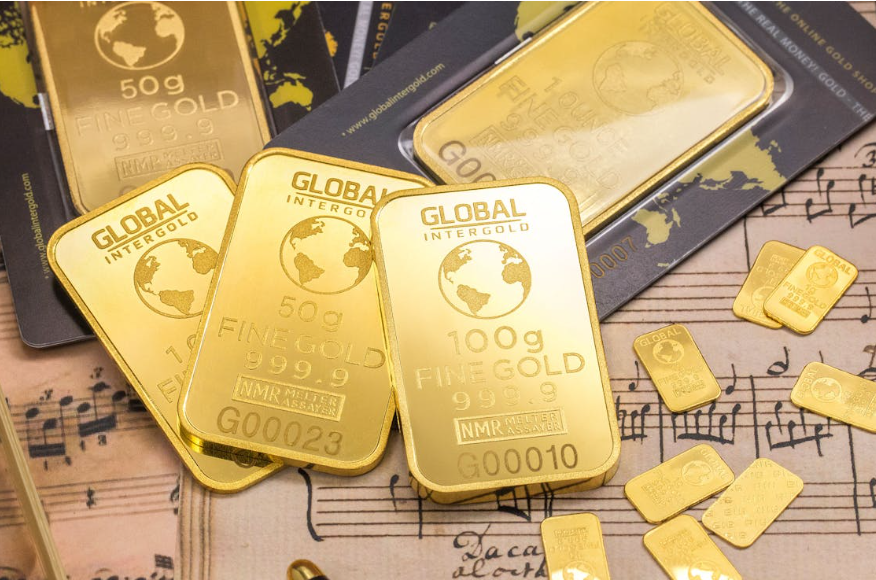
    · Bullion Bars: The classic. You get a heavy, satisfying brick of pure value. It makes you feel like a pirate or a Bond villain. Downside: Storing it requires a safe (and possibly that bunker). Insuring it costs money. And if you need to sell a small portion, you can’t just snap off a corner like a piece of chocolate.
    · Gold Coins (e.g., American Eagles, Canadian Maple Leafs): The more practical cousin of the bar. They are legal tender (with a face value far below the metal value—a $50 American Eagle coin is worth over $2,000 in gold), easily recognizable, and easier to sell in smaller amounts. The Fun Factor: High. There’s a certain joy in clinking coins together in your hand.

    The Bottom Line on Physical Gold: It’s great for the “end-of-the-world” premium and the cool factor, but it comes with the hassle of storage, insurance, and a higher markup (the “dealer premium”) over the spot price.

    2. Paper Gold: The “I Don’t Want a Safe” Approach
    For those who like the idea of gold but don’t want to actuallyhold it.

    · Gold ETFs (like GLD or IAU): This is the most popular way for everyday investors to buy gold. You buy a share in a fund that holds giant vaults of physical gold bullion in London. It’s as easy as buying a stock. Pros: Incredibly liquid, no storage worries, low expenses. Cons: You don’t own the metal; you own a paper claim on it. If you’re preparing for a total systemic collapse, the argument is that this paper might become worthless. But for 99.9% of scenarios, it’s perfectly fine.
    · Gold Mining Stocks: Here, you’re not buying gold; you’re buying companies that dig it out of the ground. This is a crucial distinction. You’re investing in a business. This means you’re exposed to management competence, political risk in the country they’re mining, and operational issues (a mine collapse is bad for business). The upside? These stocks can amplify the price of gold—if gold goes up 10%, a good miner’s stock might go up 30%. The downside? If gold goes down, the stock can get obliterated. It’s a levered bet on gold.

    3. The Digital & Quirky

    · Digital Gold (e.g., Paxos Gold – PAXG): A modern twist. Each token is backed by one fine troy ounce of a London Good Delivery gold bar, stored in a Brink’s vault. You can trade it like a crypto asset but it represents real gold. It’s for the tech-savvy investor who loves blockchain but trusts ancient metals.
    · Jewelry: As an investment? Generally terrible. The craftsmanship premium is enormous. You’re buying art, not an asset. It’s like buying a car and expecting the price of steel to determine its value.

    Part 3. The Golden Rules: Strategy & Savvy Advice

    Okay, you have the menu. Now, here’s how to order without giving your financial future indigestion.

    1. Size Matters: Don’t Gild Your Entire Portfolio.
    This is the most important rule.Gold should be a complement to your portfolio, not the main course. Most financial advisors suggest an allocation of 5-10%, maybe up to 15% for those with a very strong conviction about impending doom. Any more than that, and you’re not an investor; you’re a speculator with a theme.

    2. Timing the Market is a Fool’s Game.
    Trying to guess the peaks and troughs of gold is like trying to tell the mood of a cat—it’s often irrational and prone to sudden scratches.The price is driven by global fear, interest rates, the U.S. dollar, and central bank buying. Are you an expert on all that? Didn’t think so. The best strategy is often dollar-cost averaging—buying a little bit at regular intervals, regardless of the price. This smooths out the volatility and saves you from the stress of trying to be a psychic.

    3. Understand its “Achilles Heel.”
    Gold has a dirty secret:it’s a dead asset. It doesn’t produce anything. A stock pays dividends. A bond pays interest. A rental property generates rent. Gold just sits there, shiny and silent. Its only hope for profit is that someone else will pay more for it in the future. This is called the “greater fool” theory. In the long run, productive assets like stocks have historically outperformed gold by a wide margin. Gold is a store of value, not a creator of value.

    4. Keep the “Why” in Mind.
    Are you buying it as a short-term speculative trade?Or as a long-term insurance policy? Your answer determines your strategy. If it’s insurance, you stop worrying about the day-to-day price. You just buy it, forget you have it (in a safe place, of course), and check back in a decade.

    The Final Verdict: To Shine or Not to Shine?

    Gold is not “fool’s gold,” but it can make a fool out of an unprepared investor. It’s a primal, emotional, and often misunderstood asset.

    For the modern investor, the sweet spot is likely a small, strategic allocation through a simple, low-cost Gold ETF. It gives you the exposure without the hassle. It’s the financial equivalent of having a good insurance policy and a diversified diet.

    So, go ahead, add a little glitter to your portfolio. Just don’t be the person who blinds themselves with it. After all, the true value of an investment isn’t just its shine, but the peace of mind it brings.

    Now, if you’ll excuse me, I need to go check on my ETF. And maybe call Uncle Dave to see what’s new in the bunker.

  • Fool’s Gold or Smart Metal? A (Somewhat Gilded) Guide to Investing in the Yellow Stuff

    Fool’s Gold or Smart Metal? A (Somewhat Gilded) Guide to Investing in the Yellow Stuff

    Let’s talk about gold. That shiny, dense, and utterly seductive metal that has caused more trouble throughout history than a teenager with a credit card. It’s been the root of empires, the ruin of kings, and the reason your eccentric uncle Dave has a safe full of coins he talks to more than his own family.

    In the world of investing, gold is the ultimate diva. It doesn’t produce anything (unlike a company), it doesn’t pay you dividends (unlike stocks), and if you own the physical stuff, it just sits there, silently judging you while you pay for a safe deposit box. So, why on earth does anyone invest in it? Is it the ultimate safe haven, or a glittering trap for the naive? Let’s dig in (pun intended).

    Part 1: Why Gold? The Case for the Original Rock Star

    Before we had Bitcoin bros, we had gold bugs. These are the folks who believe in gold with the fervor of a zealot and will tell you that paper money is just a “fiat currency” waiting to collapse. While we don’t need to build a bunker just yet, they have a few points.

    1. The “Sky is Falling” Insurance Policy:
    When the news starts to sound like the plot of a disaster movie—think hyperinflation,political turmoil, or zombies (financial zombies, that is)—gold tends to shine. While stocks are plummeting and people are panicking, gold often holds its value or even goes up. It’s the financial world’s comfort blanket. It doesn’t care about the CEO’s scandal or the latest interest rate hike. It’s just gold. Ancient, immutable, and reassuringly heavy.

    2. The Inflation Hedge (Mostly):
    The logic here is simple.Your dollar bill from 1970 might buy you a gumball today, but a gold coin from 1970 can still buy a very nice suit. As the purchasing power of currency erodes, the value of tangible assets like gold often increases. It’s like a life raft against the tide of government money printing. Just remember, it’s a long-term hedge, not a short-term magic trick.

    3. The Diversification Darling:
    Putting all your eggs in one basket is a recipe for omelette disaster.If your portfolio is 100% tech stocks, a single bad day for Silicon Valley can feel like a personal attack. Gold often (but not always) moves out of sync with the stock market. Adding a slice of gold to your portfolio is like adding a pinch of salt to a recipe—it doesn’t dominate the flavor, but it makes the whole dish more resilient.

    Part 2: How to Own the Glitter: A Buyer’s Guide to Gold

    So, you’re convinced you want a piece of the pie—or in this case, the nugget. How do you actually get your hands on it? You have options, from the wildly practical to the absurdly James Bond-esque.

    1. The Pirate’s Choice: Physical Gold (Bullion, Coins)
    This is for the true romantic.The one who dreams of feeling the weight of a gold coin in their palm.

    · Pros: It’s real. You can touch it, hide it, or bury it in the backyard, fueling your fantasy of being a modern-day pirate. No one can hack it or cancel your account.
    · Cons: It’s a hassle. You need a secure safe and a good insurance policy (because unlike in the movies, your sock drawer is not secure). There are hefty markups (the “dealer premium”) when you buy, and you’ll likely sell at a discount. And let’s not forget the “awkward family meeting” factor: “So, kids, your inheritance is in a vault. The access code is ‘Fluffy’.”

    2. The Easy Button: Gold ETFs (Exchange-Traded Funds)
    For the 21st-century investor who prefers apps to vaults.Funds like the SPDR Gold Shares (GLD) buy massive amounts of physical gold and store it in a London vault the size of a small moon. You buy a share of the ETF, which represents a fraction of that gold.

    · Pros: Incredibly easy. You buy and sell it like a stock from your brokerage app. No safes, no security concerns, and low expenses.
    · Cons: It’s a bit… soulless. You’ll never get to see, let alone touch, “your” gold. You are trusting a piece of paper (or a digital entry) that represents a piece of paper that represents a bar of gold in London. It’s the financial equivalent of a Russian nesting doll.

    3. The Rollercoaster: Gold Mining Stocks
    You’re not buying gold;you’re buying companies that dig it out of the ground.

    · Pros: Amplified gains. If the gold price goes up, a successful mining company’s profits can soar, and their stock price can rise even faster. Some even pay dividends.
    · Cons: Amplified risks. You’re not just betting on gold; you’re betting on management not screwing up, on a mine not collapsing, and on a local government not nationalizing the operation. It’s like betting on the jockey, not the horse—and sometimes the jockey falls off.

    Part 3: The Golden Rules & Pitfalls (Or, How Not to Lose Your Shirt)

    Gold is not a “set it and forget it” investment. It requires a strategy, or you might end up with a very expensive, very shiny paperweight.

    · Don’t Go Full Gollum: It’s called “the barbarous relic” for a reason. Allocating 50% of your portfolio to gold is not diversification; it’s a bet on the apocalypse. A small allocation (5-10%) is usually more than enough to provide the insurance and diversification benefits without turning you into a precious metal hoarder who hisses at paper money.
    · Timing is (Nearly) Everything: Gold is notoriously fickle. Buying it when it’s already at an all-time high and splashed across magazine covers is a great way to experience buyer’s remorse. The old adage often applies: be fearful when others are greedy, and greedy when others are fearful.
    · It’s a Store of Value, Not a Cash Machine: Remember, gold is boring. It just sits there. Unlike a rental property or a dividend stock, it doesn’t provide any income. Its primary job is to preserve wealth, not necessarily to create it at a rapid pace. Don’t expect it to perform like a tech stock; if it does, something is probably very wrong with the world.

    The Bottom Line: To Gild or Not to Gild?

    So, is gold a fool’s game or a sage’s choice? The answer, frustratingly, is both.

    It’s a fool’s game if you treat it like a get-rich-quick scheme, if you pour your life savings into it based on a doom-and-gloom podcast, or if you buy physical coins without a plan for security and eventual sale.

    It’s a sage’s choice if you use it as a prudent, small part of a diversified portfolio. If you see it as a form of financial insurance for a rainy day, and if you acquire it through simple, low-cost methods like ETFs.

    In the end, gold is less about making a fortune and more about sleeping well at night. It’s the silent, stoic asset in the corner of your portfolio, unimpressed by market hype, ready to hold the line when everything else gets a little wobbly. Just don’t, for the love of all that is holy, bury it in the backyard. The neighbor’s dog will definitely find it.

  • All That Glitters: A Slightly Irreverent Guide to Investing in Gold

    All That Glitters: A Slightly Irreverent Guide to Investing in Gold

    Let’s talk about gold. That seductive, shimmering metal that has caused empires to rise, fueled expeditions to conquer new worlds, and is the reason your eccentric uncle Dave has a bunker full of canned beans and Krugerrands. In the world of investing, gold is the ultimate rock star. It’s been on tour for 5,000 years, doesn’t pay dividends, and yet, we can’t seem to get enough of it.

    But is gold a timeless store of value or a “barbarous relic,” as some economists love to call it? Is it the financial equivalent of a sturdy lifeboat, or are we just polishing a pet rock? Strap in, dear reader, as we dive into the gilded cage of gold investment.

    Part 1: Why Gold? The Case for the Original OG Asset

    Before we had NFTs, meme stocks, and cryptocurrencies, we had gold. It’s the asset that never got the memo about obsolescence. Here’s why it still has a fan club:

    1. The Ultimate Drama Queen (A.K.A. A Safe Haven):
    When the world loses its mind—when stocks are plummeting,politicians are tweeting nonsense, and it feels like the financial apocalypse is nigh—gold tends to shine. Literally. Investors flee the rollercoaster of the stock market for the steady, reassuring weight of gold. It’s the financial equivalent of hiding under a weighted blanket with a cup of tea while chaos reigns outside. This “flight to safety” can make its price soar when everything else is tanking.

    2. The Inflation Hedge (Most of the Time):
    The story goes like this:while governments can print endless amounts of paper money, making each dollar worth less, you can’t print gold. There’s only so much of it in the world. So, as the cost of your bread and milk creeps up, the value of your gold should, in theory, creep up alongside it, preserving your purchasing power. It’s like an insurance policy against your cash slowly turning into confetti.

    3. The Portfolio’s Zen Master (Diversification):
    If your investment portfolio was a band,your stocks would be the wild, unpredictable lead guitarist, and your bonds would be the reliable, slightly boring bassist. Gold? Gold is the cool drummer, keeping a different beat entirely. It often doesn’t move in sync with other assets. So when the guitar solo goes off the rails, the steady rhythm of gold can help keep the whole song from falling apart. This diversification smooths out your returns and helps you sleep at night.

    Part 2: The Golden Smorgasbord: How to Get Your Fix

    So, you’re convinced you want a piece of the pie? Well, gold comes in more forms than Baskin-Robbins ice cream. Let’s look at the menu.

    1. The “Heft & Gloat” Method: Physical Gold
    This is for the prepper,the pirate, and the pure romantic in you. There’s something deeply satisfying about holding a gold coin.

    · Bullion Bars & Coins: The classic. You can buy these from reputable dealers. Think of the iconic American Eagle or the South African Krugerrand.
    · Pros: Tangible, no counter-party risk (it’s yours, physically), immense satisfaction.
    · Cons: Storage (hello, safe deposit box or secret floorboard!), insurance, and hefty markups over the spot price. Also, trying to buy a sandwich with a 1-ounce gold coin is generally frowned upon.

    2. The “Easy Button” Method: Gold ETFs (Exchange-Traded Funds)
    For those of us who don’t have a vault or a butler named James,the Gold ETF is a godsend. The most popular ones (like GLD) literally have vaults full of physical gold bullion on your behalf. When you buy a share, you own a slice of that gold.

    · Pros: Incredibly liquid (buy and sell like a stock), no storage headaches, low transaction costs.
    · Cons: There’s a small annual fee (the expense ratio), and you can’t hold it in your hand. It’s the philosophical difference between owning a cow and owning a share in a milk-producing company. You get the economic benefit without the mess.

    3. The “Digital Prospector” Method: Gold Mining Stocks
    Instead of buying the metal,you buy shares in companies that dig it out of the ground. This is a whole different ballgame.

    · Pros: Leverage. If the price of gold goes up, the mining company’s profits can skyrocket, potentially boosting the stock price even more.
    · Cons: You’re not just betting on gold; you’re betting on a company. A mining stock can be tanked by bad management, a political crisis in the host country, or a tragic incident involving a canary. It’s far riskier than owning the metal itself.

    4. The “I Have No Idea What I’m Doing” Method: Gold Futures & Options
    Let’s be clear:if you’re reading this article for basic advice, run, do not walk, away from this category. This is for professional traders who enjoy high-stakes gambling and stress-induced ulcers. We’ll politely nod at this option and move on.

    Part 3: The Tarnished Truth – The Not-So-Shiny Side of Gold

    Gold isn’t perfect. It has its flaws, and it’s crucial to know them before you write the check.

    · The Pet Rock Problem: Gold produces nothing. It doesn’t grow, innovate, or pay you dividends. It just sits there, looking pretty. As the famous investor Warren Buffett pointed out, you’re hoping someone else will pay more for it in the future. It’s the greater fool theory in a shiny wrapper.
    · Volatility is Still a Thing: While it’s a safe haven in a crisis, its price can be wildly unpredictable in the short term. Don’t expect a smooth, upward climb.
    · Storage & Costs: The physical stuff comes with real, boring costs—insurance, storage, and appraisal fees—that eat into your returns.

    The Golden Rule(s): A Sane Investor’s Strategy

    So, after all this, what’s the verdict? Here’s a sensible approach:

    1. Think of it as Insurance, Not a Get-Rich-Quick Scheme. Allocate a small, single-digit percentage of your portfolio (e.g., 5-10%) to gold. This is your hedge, your panic room. It’s not the engine of your financial growth.
    2. Keep it Simple. For 99% of people, a low-cost Gold ETF like GLD or IAU is the most efficient, hassle-free way to own gold. You get the exposure without turning your home into Fort Knox.
    3. Don’t Try to Time the Market. You will not buy at the absolute bottom and sell at the absolute top. Forget it. Make your small allocation and rebalance occasionally. The goal is to have it there when you need it, not to trade it daily.
    4. Beware the Doomsday Sales Pitch. Anyone who tells you to put your entire life savings into gold because the financial system is about to collapse is trying to sell you something. Usually, gold.

    Conclusion: To Glitter or Not to Glitter?

    Gold is a fascinating, ancient, and often misunderstood asset. It’s not a magical wealth-creating machine, but it is a unique financial tool with a 5,000-year track record. In a well-diversified portfolio, it can be the calm, steadying presence that adds a layer of security and peace of mind.

    So, go ahead, add a little glitter to your portfolio. Just don’t expect it to do all the work. And maybe don’t tell Uncle Dave. He’ll just try to sell you some beans.

  • Fool’s Gold or Smart Metal? A (Somewhat Gilded) Guide to Investing in the Yellow Stuff

    Fool’s Gold or Smart Metal? A (Somewhat Gilded) Guide to Investing in the Yellow Stuff

    Let’s talk about gold. That shiny, yellow, indestructible metal that has caused more trouble throughout history than a teenager with a credit card. It’s launched a thousand ships, fueled countless conquests, and is the reason your eccentric uncle Dave has a bunker full of canned beans and Krugerrands.

    In the world of investing, gold is the ultimate paradox. It’s seen as both the safest haven in a storm and a “barbarous relic” (thanks, Keynes). It pays no dividends, sings no songs, and just sits there, looking fabulous. So, is investing in gold a brilliant move for the sophisticated investor or the financial equivalent of believing in leprechauns? Let’s dig in (pun intended).

    Part 1: Why Gold? The Case for the Original Rock Star

    Before we had NFTs, meme stocks, and cryptocurrencies, we had gold. It was the original influencer, and it’s still trending after 5,000 years. Here’s why:

    1. The “Sky is Falling!” Portfolio Insurance:
    When the news starts sounding like a plot summary for a dystopian movie—inflation is soaring,governments are printing money like it’s Monopoly night, and world leaders are communicating via meme wars—people flock to gold. It’s the ultimate fear gauge. While stocks and bonds are having a panic attack, gold is often in the corner, calmly doing yoga. It’s a tangible asset that isn’t someone else’s liability (looking at you, fiat currency).

    2. The Inflation-Fighting Superhero (Kinda):
    Think of inflation as a silent thief that slowly picks your pocket.A dollar today buys less than a dollar did yesterday. Gold, over the very long term, has historically held its purchasing power. While your cash under the mattress is turning into confetti, that gold coin might still be able to buy you a decent suit, just like it could for your great-great-grandpappy. It’s not a perfect hedge every single year, but across decades, it’s proven its mettle (sorry, last pun… maybe).

    3. The Ultimate Diversifier (Because Putting All Eggs in One Basket is for Amateurs):
    A well-balanced portfolio is like a good party.You want a mix of people: the steady, reliable ones (bonds), the exciting, high-energy ones (stocks), and the one mysterious person in the corner who doesn’t say much but seems incredibly important (gold). Gold often moves independently of stocks and bonds. When they zig, it sometimes zags. This non-correlation can smooth out your portfolio’s ride, preventing you from losing your lunch during market turbulence.

    Part 2: How to Get Your Hands on the Glitter: A Buyer’s Guide

    So, you’re convinced. You want a piece of the rock. How do you get it? Do you need to rent a vault and wear a eye patch?

    1. The Pirate’s Choice: Physical Gold (Coins & Bars)
    This is the most visceral way to own gold.There’s something undeniably cool about holding a heavy, shiny coin that has been a store of value for centuries.

    · Pros: It’s real. You can touch it, bite it (though we don’t recommend it), and hide it from the zombies/apocalypse/taxman. You have direct ownership and no counter-party risk.
    · Cons: It’s like owning a pet. You have to worry about feeding it (storage costs in a safe or safe deposit box), taking it to the vet (insurance), and making sure it doesn’t run away (theft). There’s also the “spread”—the difference between the buy and sell price—which can be hefty. And good luck trying to buy groceries with a 1-ounce gold bar during a minor crisis.

    2. The Paper Pusher’s Shortcut: Gold ETFs (Exchange-Traded Funds)
    For most modern investors,this is the way. ETFs like the SPDR Gold Shares (GLD) are like a timeshare in a giant vault of gold. You buy a share of the fund, which owns the physical bullion stored in a secure London vault.

    · Pros: Incredibly easy. You buy and sell it like a stock from your brokerage account. No safes, no insurance, no awkward conversations with bullion dealers named “Vinnie.” It’s highly liquid and has lower transaction costs.
    · Cons: You don’t get to hold the gold. It’s a paper claim on a physical asset. While the risk is low, it’s not zero—you’re relying on the fund’s structure and integrity. Also, you can’t use it to bribe a border official in a Hollywood-style escape scenario.

    3. The Gambler’s Game: Gold Miner Stocks
    Instead of buying the metal,you buy shares of companies that dig it out of the ground. Think of it as buying the pickaxe seller during a gold rush instead of panning for gold yourself.

    · Pros: Amplified gains. If the gold price goes up, a successful miner’s profits can soar, and their stock price can rise much faster than the metal itself. Some even pay dividends!
    · Cons: Amplified risks. You’re not just betting on gold; you’re betting on a company. Bad management, labor strikes, a mine collapse, or environmental regulations can tank the stock even if the gold price is stable. It’s a much riskier, more volatile proposition.

    Part 3: The Golden Rules & Savvy Strategies

    Before you mortgage your house for a solid gold toilet, let’s lay down some ground rules.

    · It’s a Marathon, Not a Sprint: Gold can go through long, boring periods of doing absolutely nothing. Don’t buy it expecting to get rich quick. It’s a long-term strategic holding.
    · Size Matters (Keep it Small): Gold should be a complement to your portfolio, not the core of it. Most financial advisors suggest an allocation of 5-10%, maybe up to 15% if you’re particularly pessimistic about the future of society. Any more than that, and you’re not an investor; you’re a gold bug preparing for the end times.
    · Don’t Try to Time the Market: Buying gold is like adding salt to a recipe. You do it for flavor and preservation, not as the main ingredient. Consider a consistent, small allocation and rebalance periodically. When it has a huge run-up, take some profits. When it’s down and out, maybe add a little more. Be boring and disciplined.
    · Know Why You Own It: Are you owning it for inflation protection? As a crisis hedge? For diversification? If you know its role in your portfolio, you’re less likely to panic-sell when it dips or get greedy when it soars.

    Conclusion: To Shine or Not to Shine?

    So, is gold fool’s gold? The answer is: it depends on the fool.

    If you’re buying because a late-night infomercial host with impeccable hair told you a financial collapse is imminent and you need to trade your cash for gold now at a “special, one-time price,” you might be the fool.

    But if you’re a prudent investor looking to add a time-tested, non-correlated, tangible asset to a well-diversified portfolio as a long-term insurance policy, then you’re being very smart indeed.

    Gold won’t make you coffee, write you a love song, or compound like a growth stock. But in a world of digital bits and financial promises, it remains a silent, heavy, and brilliantly stubborn anchor in the storm. Just don’t tell Uncle Dave where you keep it.

  • Fool’s Gold or Smart Bet? A (Somewhat) Sane Investor’s Guide to the Yellow Metal

    Fool’s Gold or Smart Bet? A (Somewhat) Sane Investor’s Guide to the Yellow Metal

    Let’s talk about gold. That shiny, dense, and utterly seductive metal that has caused more trouble throughout history than a reality TV star. It’s been the root of empires, the ruin of kings, and the reason your eccentric uncle Dave has a safe full of coins he talks to more than his own children.

    In the world of investing, gold is the ultimate diva. It doesn’t produce anything, it doesn’t earn interest, and it just sits there, looking fabulous while stocks and bonds do the actual work. So, why on earth does anyone invest in it? Is it a timeless store of value or a “barbarous relic,” as economist John Maynard Keynes once grumbled?

    Buckle up. We’re diving into the glittering, and often irrational, world of gold investment.

    Part 1: Why Gold? The Case for the Defendant

    Gold has been money for millennia, and it has a resume that your newfangled cryptocurrency can only dream of. Here’s why it still has a fan club:

    1. The Ultimate Drama Queen (A.K.A. A Hedge Against Chaos)
    When the world goes to pot—think stock market crashes,political instability, or headlines that make you want to move to a bunker in Montana—gold tends to shine. Literally. While paper assets are losing their minds, gold often holds its value or even goes up. It’s the financial equivalent of that one unflappable friend in a crisis who just calmly makes a pot of tea while everyone else is screaming. It’s the asset you buy for the zombie apocalypse, hoping you’ll never need it, but feeling profoundly smug that you have it.

    2. The Inflation Slayer (Or at Least, a Nuisance to It)
    Imagine you buried$100,000 in your backyard in 1970. If you dug it up today, it would have the purchasing power of a decent used car. Now, imagine you buried $100,000 worth of gold. You’d be digging up over $2 million today. That’s the power of gold as a long-term inflation hedge. It’s not a perfect, year-to-year correlation, but over the long haul, it has a proven track record of preserving purchasing power. It’s like a time capsule for your wealth, protecting it from the slow, silent thief of inflation.

    3. The Portfolio’s Zen Master (Diversification)
    In investing,you don’t want all your assets moving in sync. That’s like having a choir where everyone sings the same note—loudly and boringly. Gold often (but not always) dances to a different tune than stocks and bonds. When your tech stocks are having a meltdown, your gold might be having a party. This “negative correlation” is what makes it a fantastic diversifier. It adds a dash of calm to your portfolio’s otherwise hectic life, reducing overall volatility and helping you sleep at night.

    Part 2: How to Own the Glitter: A Buyer’s Guide (Without the Panic)

    So, you’re convinced. You want a piece of the rock. How do you get it? You have more options than a billionaire at a supercar dealership.

    1. The Pirate’s Choice: Physical Gold
    This is for the true believers,the doomsday preppers, and anyone who just gets a thrill from holding a heavy, shiny object.

    · Coins (American Eagles, Canadian Maples): The rock stars of the gold world. They are recognizable, liquid, and beautiful. Premiums over the spot price are higher, but you’re also paying for that collectible cool factor.
    · Bars: The no-nonsense, bulk-buying option. If you’re looking for the most gold for your buck, bars are your friend. Just be prepared for the slight disappointment that it doesn’t look like a treasure chest from a movie; it looks like a shiny, heavy paperweight.
    · The Downside: Storage (a safe isn’t a suggestion, it’s a requirement) and insurance. Also, try buying groceries with a gold coin and see how that goes. Liquidity isn’t instant.

    2. The Paper Pusher’s Paradise: Gold ETFs
    For those who think storing gold in a vault is a hassle,meet the SPDR Gold Shares (GLD) and its cousins. You buy a share of the ETF, and the fund holds the physical gold in a massive London vault. You get all the price exposure without having to worry about a burglar with a taste for the finer things. It’s simple, liquid, and trades like a stock. It’s gold for people who live in the 21st century.

    3. The Gambler’s Den: Gold Miners and Futures
    This is not for the faint of heart.Instead of buying the metal, you buy companies that dig it out of the ground (GDX is a popular miner ETF). This is a leveraged bet on gold. If the gold price goes up, miners can skyrocket as their profits explode. But you’re also betting on management competence, political stability in mining countries, and the general operational risks of, you know, blowing up mountains. It’s more volatile than the metal itself. Futures are even wilder—best left to the pros and the adrenaline junkies.

    Part 3: The Golden Rules & Savage Truths

    Before you mortgage your house for a gold bar, let’s get real.

    · It’s an Insurance Policy, Not a Growth Stock. Gold is not going to make you the next Warren Buffett. Its primary job is to preserve wealth, not create it in a spectacular fashion. Think of it as the boring, reliable guard dog of your portfolio, not the playful, profit-fetching puppy.
    · The “Do Nothing” Problem. Gold pays no dividends. It generates no income. It just sits there, being gold. This can be psychologically painful in a roaring bull market when your friends are bragging about their tech stock gains. You have to be okay with your golden child not always being the star performer.
    · Timing is (Nearly) Everything, and Impossible. The golden rule of gold? Buy it before the panic. Once the crisis is on the front page of the news, the price has often already spiked. The best time to buy gold is when everything else looks great and no one is talking about it. It feels counterintuitive, like buying umbrellas in a drought, but that’s where the value is.

    The Verdict: So, Should You Buy?

    Here’s the unfiltered take:

    A small allocation to gold (say, 5-10% of your total portfolio) is like adding chili flakes to your financial pasta. It adds a bit of zing, diversifies your flavor profile, and can save a bland dish in a crisis. It’s a prudent, sanity-preserving strategy for the long haul.

    But if you’re going all-in, betting the farm on gold because you’re convinced the financial end is nigh, you’re not really an investor. You’re a speculator with a tinfoil hat. A stylish one, perhaps, but a tinfoil hat nonetheless.

    In the end, gold is less about making a fortune and more about keeping the fortune you have. It’s the strong, silent type in a world of noisy, hyperactive assets. It won’t love you back, but it probably won’t break your heart either. And in the wild world of finance, that’s a relationship worth its weight in… well, you know.

  • Fool’s Gold or Smart Metal? A (Somewhat Gilded) Guide to Investing in the Yellow Stuff

    Fool’s Gold or Smart Metal? A (Somewhat Gilded) Guide to Investing in the Yellow Stuff

    Let’s talk about gold. That shiny, yellow, indestructible metal that has caused more trouble throughout history than a toddler with a permanent marker. It’s been the root of empires, the ruin of kings, and the reason your weird uncle Dave has a bunker full of gold coins “for when the system collapses.”

    In the world of investing, gold is the ultimate diva. It doesn’t produce anything, it doesn’t earn profits, and it just sits there, looking pretty. So, why on earth does anyone invest in it? Is it the ultimate safe haven, or just a glittering relic of a bygone era? Let’s dust off the vault and take a look.

    Part 1: Why Gold? The Case for the Original Rock Star

    Before we had Bitcoin bros, we had gold bugs. These are the folks who believe in gold with the fervor of a zealot. And sometimes, they have a point.

    1. The “Sky is Falling” Insurance Policy:
    When the world goes to pot—think stock market crashes,hyperinflation, or news channels using more ominous music than usual—people flock to gold. It’s the financial equivalent of a panic room. While paper currencies can be printed into worthlessness (looking at you, Zimbabwe), gold’s supply is relatively finite. You can’t print more of it. In times of true crisis, a gold coin might actually be more useful than a stack of hundred-dollar bills for, say, bartering for a canoe or a can of beans.

    2. The Inflation Hedge (That Sometimes Works):
    The theory is simple:as the cost of living goes up, so should the price of gold. Your grandparents might tell stories about buying a house for a gold coin the size of a button. While that’s a bit of an exaggeration, there’s some truth to it. Over very long periods, gold has tended to maintain its purchasing power. It’s like a life jacket against the tidal wave of your money losing value. Just remember, life jackets are uncomfortable to wear all the time, and sometimes the tide goes out instead of coming in.

    3. The Ultimate Diversifier (Because Your Portfolio is Probably Boring):
    If your portfolio is 100%stocks and bonds, it’s like a band with only a drummer and a bassist—solid, but missing something. Gold is the unpredictable lead guitarist. It often (but not always) moves out of sync with the stock market. When stocks are having a tantrum, gold might be calmly tuning its guitar. This negative correlation can smooth out your investment returns, preventing your net worth from looking like a rollercoaster designed by a sadist.

    Part 2: The Dark Side of the Shine: Gold’s Glaring Flaws

    Gold isn’t all champagne and caviar. It has some significant drawbacks that can tarnish its appeal.

    1. The “Vault of Doom” Asset:
    Gold is a sterile asset.It doesn’t pay dividends. It doesn’t earn interest. It just sits there, silently judging you. Unlike a stock, which represents a share of a company’s profits, or a bond, which pays you interest, gold’s only hope for a return is that someone else will pay more for it in the future. This is known as the “greater fool theory.” You’re not an investor; you’re a collector hoping for a bigger fool to come along.

    2. It Can Be as Volatile as a Soap Opera Star:
    For something billed as a”safe haven,” gold can have some spectacular mood swings. It can go through decades-long periods of doing absolutely nothing, followed by a massive spike, followed by a crushing crash. Buying gold at the peak of a hype cycle can leave you holding a very expensive, very shiny bag for a very long time. Remember, the guys who sold shovels during the Gold Rush got rich; the miners, not so much.

    3. Storage and Security Headaches:
    If you buy physical gold,you have to deal with it. This means buying a heavy, cumbersome safe, paying a bank for a safety deposit box, or—like Uncle Dave—burying it in the backyard and hoping you don’t forget the map. And then there’s the anxiety. Every bump in the night becomes a potential international gold heist starring your house.

    Part 3: How to Get Your Glitter On: A Toolkit for the Modern Gold Investor

    So, you’re still interested? Good. Here are the main ways to add gold to your portfolio, ranked from “caveman” to “cyberpunk.”

    1. The Physical Stuff: For the Prepper and Pirate in You

    · Gold Bullion Coins (e.g., American Eagle, Canadian Maple Leaf): The classic choice. Recognizable, liquid, and beautiful. The downside? You pay a premium over the spot price (the “dealer markup”) and you have the storage issue.
    · Gold Bars: If you’re aiming for a Scrooge McDuck-style vault, this is the way to go. The larger the bar, the lower the premium per ounce. Just make sure you have a forklift.
    · Jewelry: A terrible investment. The craftsmanship premium is enormous, and the resale value is a fraction of what you paid. Buy jewelry for love, not for profit.

    2. The Paper Stuff: For People Who Prevefer Convenience Over Drama

    · Gold ETFs (Exchange-Traded Funds): This is the smart, easy button. Funds like the SPDR Gold Shares (GLD) hold physical gold in a massive London vault on your behalf. You buy and sell shares of the ETF just like a stock. It’s liquid, secure, and you don’t have to worry about polishing your bullion. This is, by far, the most popular method for modern investors.
    · Gold Mining Stocks: Here, you’re not buying gold; you’re buying companies that dig up gold. This is a leveraged play on the gold price. If gold goes up, mining profits can soar, and the stock can outperform. But you’re also taking on company-specific risks: bad management, mining disasters, political instability in the country they operate in. It’s more volatile than owning gold itself.

    3. The Digital Stuff: The 21st-Century Alchemist

    · Digital Gold (e.g., PAX Gold): These are crypto tokens where each one is backed by one fine troy ounce of a London Good Delivery gold bar, stored in a Brink’s vault. You get the ownership of physical gold with the transferability of a cryptocurrency. It’s novel, but it comes with the learning curve and volatility of the crypto world.

    The Golden Rule: A Modest Proposal

    So, what’s the final verdict?

    Think of gold not as the main course of your investment feast, but as a powerful, potent spice. You wouldn’t eat a bowl of salt, and you shouldn’t make gold your entire portfolio. A small allocation—say, 5% to 10%—can provide valuable diversification and insurance.

    The Bottom Line: Don’t buy gold to get rich. Buy it so you don’t get poor. It’s a defensive asset, a hedge against the truly weird and awful things that might happen. It’s the financial equivalent of keeping a fire extinguisher in your kitchen. You hope you never need it, but you’ll be profoundly grateful it’s there if the grease catches fire.

    Now, if you’ll excuse me, I need to go check on my ETF. And maybe call my uncle Dave… he owes me a map.

  • All That Glitters: A Slightly Irreverent Guide to Investing in Gold

    All That Glitters: A Slightly Irreverent Guide to Investing in Gold

    Let’s talk about the rock star of the periodic table, the OG of wealth, the shiny yellow metal that has been causing both awe and avarice since a caveman first stumbled upon a nugget: Gold.

    Unlike your tech stocks that can crash because a CEO wore a weird sweater, gold has a certain… permanence. It doesn’t rust, it doesn’t tarnish, and it doesn’t care about your feelings. It’s been a symbol of power, beauty, and financial security for millennia. But in our modern world of cryptocurrencies and complex derivatives, is gold still a relevant investment, or is it just a beautiful, barbaric relic?

    Spoiler alert: It’s both. So, grab your imaginary pirate eyepatch and let’s dig into the motherlode of gold investment.

    Part 1: Why Gold? The Case for the Yellow Brick 

    In a financial landscape that often feels like a abstract art painting (you don’t get it, but you’re afraid to ask), gold is refreshingly concrete. Here’s why it still has a fan club.

    1. The Ultimate Drama Queen (A.K.A. A Safe Haven)
    When the world goes to pot—when stock markets are having a meltdown,politicians are tweeting nonsense, and the general vibe is apocalyptic—investors perform a mad dash to what they know: gold. It’s the financial equivalent of running to your mom’s house during a thunderstorm. It might not stop the storm, but you feel a whole lot safer. This “flight to safety” often drives its price up precisely when everything else is going down. It’s the one asset that thrives on bad news.

    2. The Ancient Inflation Fighter
    Your cash in the bank is like an ice cube on a hot day—it’s slowly melting(thanks, inflation). Gold, on the other hand, has historically been a pretty decent store of value over the very long term. While the price of a loaf of bread has gone from a few cents to a few dollars, an ounce of gold has, for centuries, bought a nice men’s suit. It’s not a perfect hedge year-to-year, but over decades, it tends to hold its purchasing power, making it a classic defense against your money losing its mojo.

    3. The Poster Child for Diversification
    If your investment portfolio was a band,it would be pretty boring if it was all bass guitar. You need a drummer, a singer, maybe a slightly eccentric keytar player. Gold is that keytar player. It has a low-to-negative correlation with risk assets like stocks. This is fancy finance talk for: “When stocks zig, gold often zags.” Adding a slice of gold (say, 5-10%) to a diversified portfolio can smooth out the ride and potentially reduce your overall risk. Translation: fewer sleepless nights.

    Part 2: How to Own the Glitter: Your Toolkit of Gold Investments

    So, you’re sold on the idea. How do you actually get your hands on it? You have options, from the satisfyingly physical to the conveniently digital.

    1. The Pirate’s Choice: Physical Gold (Bullion & Coins)
    This is for those who love the heft,the shine, and the fantasy of building a treasure chest in their basement.

    · Bullion Bars: These are the chunky, no-nonsense bricks you see in movies. They are valued purely by their weight. Pros: It feels incredibly cool to hold one. Cons: You need a serious safe, and the premiums (the cost over the spot price) can be high. Also, trying to sell a single ounce of a 400-ounce bar is… tricky.
    · Gold Coins: Like the American Eagle, Canadian Maple Leaf, or South African Krugerrand. Pros: They are beautiful, highly recognizable, and easier to sell in small quantities than bars. Cons: You’ll pay a higher premium over the spot price for the minting and design.

    The “Con” of Physical Gold: Remember, it’s a metal, not a magic bean. It doesn’t pay interest or dividends. In fact, it costs you money to store and insure it securely. And be warned: if you bury it in the garden, you’re just conducting a very expensive experiment in archaeology for future generations.

    2. The Easy Button: Gold ETFs (Exchange-Traded Funds)
    For most people,this is the sweet spot. You buy a share of a fund (like the hugely popular GLD) that owns physical gold stored in a massive, James Bond-style vault in London. Each share you own represents a fraction of that gold.

    · Pros: Incredibly easy to buy and sell through your brokerage account. No need for a safe, insurance, or a paranoid distrust of your neighbors. Highly liquid.
    · Cons: You don’t get to hold the gold, which ruins the pirate fantasy. There are also small annual management fees (expense ratios).

    3. The Rollercoaster: Gold Mining Stocks
    Instead of buying the metal,you buy shares of companies that dig it out of the ground. This is a whole different ballgame.

    · Pros: Leverage. If the price of gold goes up, the mining company’s profits can skyrocket, potentially causing its stock price to rise much faster than the metal itself.
    · Cons: It’s a stock, not gold. You’re now exposed to company-specific risks: bad management, mining disasters, political problems in the country they operate in, and environmental regulations. A mining stock can go down even when the gold price is going up. It’s like betting on the horse (the company) instead of the race itself (the gold price).

    4. The Digital Alchemist: Gold Futures and Options
    This is the advanced class.We’re talking about complex derivatives and leverage. Unless you are a professional trader or someone who enjoys financial self-flagellation, it’s best to admire this from a distance. It’s a great way to make or lose a fortune very, very quickly.

    Part 3: The Golden Rules: Strategy & Savvy Advice

    Okay, you know the “what.” Now for the “how.”

    1. Don’t Go Full Gollum.
    The biggest mistake is to bet your entire fortune on gold.Remember the diversification band? Gold is the keytar player, not the entire band. A common recommendation is to allocate between 5% and 10% of your total portfolio to gold as a diversifier and hedge. Anything more, and you’re not an investor; you’re a dragon sitting on a hoard.

    2. Think “Insurance,” Not “Get-Rich-Quick.”
    The primary role of gold in a modern portfolio is insurance and stability.You buy home insurance not hoping your house will burn down, but for peace of mind if it does. Similarly, you hold gold not hoping for societal collapse, but for protection if the financial markets hit a rough patch. The growth should be a secondary, long-term benefit.

    3. Tune Out the Doomsday Preachers.
    The gold market is filled with permabears who have predicted 150 of the last 3 apocalypses.They will show you charts proving the entire financial system is about to implode and that gold will be the only currency left. Be skeptical. Gold can have long, boring periods (or even multi-year slumps) where it does nothing. Patience is key.

    4. When in Doubt, Keep it Simple.
    For 95%of investors, the simplest and most effective way to gain exposure is through a low-cost Gold ETF. It removes the hassle, cost, and security concerns of physical gold while giving you the pure price exposure you’re likely seeking.

    Conclusion: To Shine or Not to Shine?

    Gold is not a boring, old-man investment. It’s a timeless, fascinating, and crucially important asset class. It won’t make you the life of the party when times are good, but it will be there with a warm blanket and a hot cup of cocoa when times are tough.

    So, should you invest? If you’re looking for a sensible diversifier, a proven safe-haven, and a tangible asset in an increasingly intangible world, then the answer is a resounding yes. Just remember the golden rule of gold investing: enjoy the glitter, but don’t worship it. Now, if you’ll excuse me, I need to go check on my ETF… and my imaginary treasure chest.