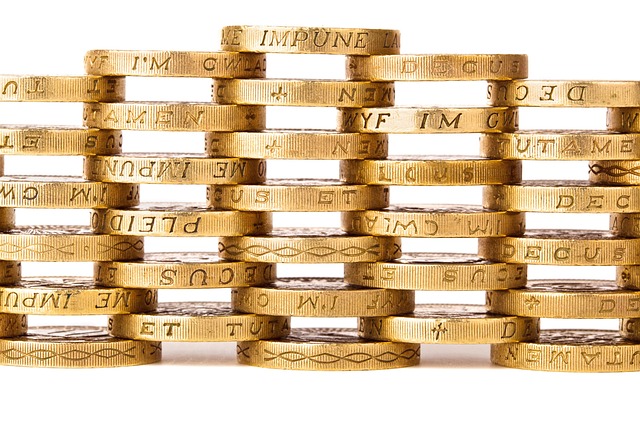
Let’s talk about gold. That shiny, yellow, indestructible metal that has caused more trouble throughout history than a toddler with a permanent marker. It’s been the root of empires, the ruin of kings, and the reason your weird uncle Dave has a bunker full of canned beans and gold coins.
In the world of investing, gold is the ultimate paradox. It’s seen as both the safest haven in a storm and a “barbarous relic” (as the famous economist John Maynard Keynes called it) that pays you no interest and just sits there, looking pretty. So, is gold a brilliant cornerstone of your portfolio or a glittering paperweight? Let’s dig in (without needing a pickaxe).
Part 1: Why Gold? The Case for the Original Rock Star
Before we had NFTs, Bitcoin, and meme stocks, we had gold. It was the original influencer, and it’s still got a few good reasons for its celebrity status.
1. The Ultimate Drama Queen (A.K.A. A Safe Haven)
When the world loses its mind—when stocks are plummeting faster than your confidence on a bad hair day,when politicians are squabbling, and when the news cycle is giving you existential dread—investors run to gold. It’s the financial equivalent of hiding under a blanket fort. Why? Because it’s a real asset. You can hold it. You can’t hold a stock certificate and feel safe (though you could try to burn it for warmth, I suppose). This “fear trade” means gold often zigs when everything else zags.
2. The Inflation-Fighting Superhero (Or at Least a Sidekick)
Remember when you could buy a house for a handful of seashells?No? Good. But your grandparents might remember when a gallon of milk cost a quarter. Currencies lose value over time. Gold, however, has maintained its purchasing power for centuries. While your cash is slowly turning into Monopoly money in your savings account, an ounce of gold could still buy you a nice suit today, just as it could in the 1930s. It’s not a perfect hedge, but it’s a storied defense against the silent thief of inflation.
3. The Poster Child for Scarcity
They’re not making any more of it.Sure, we can mine it, but that’s getting harder, more expensive, and environmentally messy. Unlike a government that can just print more money when it feels peckish (looking at you, every government ever), the global supply of gold only increases by about 1-2% per year. Basic economics: limited supply + steady demand = price stability (or growth).
Part 2: The Tarnished Truth – Gold’s Glaring Weaknesses
Now, let’s pour some cold water on this golden shower of praise. Gold has some significant flaws you can’t ignore.
1. It’s a Lazy Asset (Pays You Nothing)
Gold is the couch potato of investments.It doesn’t produce anything. A company grows, innovates, and pays dividends. A bond pays you interest. Gold? It just sits in a vault, silently judging the frantic activity of the modern world. It has no earnings, no cash flow, and no dividend yield. Its only hope for profit is that someone else will pay more for it in the future. This is what economists call the “greater fool theory.” You’re not an investor; you’re a speculator hoping for a more optimistic fool to come along.
2. It Can Be as Volatile as a Soap Opera
Don’t let its safe-haven reputation fool you.Gold’s price can be wildly unpredictable. It can go through long periods of stagnation (the 1980s and 90s were a snoozefest for gold bugs) and then sudden, explosive rallies. Holding gold requires a stomach of steel, as you might watch it plummet 20% for no apparent reason, all while your friend is bragging about his tech stocks.
3. The “Uh-Oh” Storage Problem
If you buy physical gold,you have to put it somewhere. A safe? A safety deposit box? Under the mattress? Each option has its headaches. A safe is heavy and obvious. A safety deposit box costs money and isn’t accessible 24/7. Burying it in the backyard means you have to trust your inner pirate to remember the spot and hope your dog doesn’t dig it up. And then there’s the anxiety: is it really still there?
Part 3: How to Get Your Glitter On – A Smorgasbord of Gold Strategies
So, you’re still interested? Great! Here are the main ways to invite gold to your investment party, from the simple to the sophisticated.
1. The Pirate’s Choice: Physical Gold (Coins & Bars)
This is for the true romantic,the doomsday prepper, and anyone who just likes the feel of cold, hard metal.
· Pros: Ultimate control. In a true zombie apocalypse, you can’t eat a digital ETF, but you can trade a gold coin for a can of beans (probably).
· Cons: High premiums over the spot price, storage issues, insurance, and the risk of being scammed with fake gold. (“But it looked so real!”)
· Best for: A small, “peace of mind” allocation of your overall portfolio (think 5-10%).
2. The Easy Button: Gold ETFs (Exchange-Traded Funds)
This is how most modern investors get exposure.You buy a share of a fund (like the popular GLD) that holds physical gold bullion in a massive London vault.
· Pros: Incredibly easy. It trades like a stock. No storage worries. High liquidity.
· Cons: You don’t own the physical metal. There’s a small annual management fee (the “expense ratio”). In a non-apocalyptic financial crisis, it’s perfectly safe.
· Best for: The vast majority of investors who want gold exposure without the hassle.
3. The Stock Market Gambit: Gold Miner Stocks
Instead of buying the metal,you buy shares of companies that dig it out of the ground.
· Pros: Leverage. If the price of gold goes up, the miner’s profits can soar, and their stock price can rise much faster than the metal itself.
· Cons: You’re not just betting on gold; you’re betting on a company. This adds risk: bad management, mining disasters, political instability in the country they operate in, and environmental fines. It’s far more volatile.
· Best for: Investors with a higher risk tolerance who believe in a strong gold bull market.
4. The Fancy-Pants Option: Gold Futures and Options
Let’s not go too deep here.This is for professional traders and masochists. It involves complex contracts, leverage, and the very real potential of losing more than your initial investment. If you have to ask what it is, you shouldn’t be doing it.
The Golden Rule: Moderation is Key
So, what’s the final verdict? Is gold a wise investment?
The answer is a resounding “It depends.”
For a balanced, long-term portfolio, a small allocation to gold (say, 5-10%) can act as a fantastic diversifier and insurance policy. It’s the financial equivalent of having a fire extinguisher in your kitchen. You hope you never need it, but you’d be a fool not to have one.
But going “all in” on gold is not an investment strategy; it’s a bet on societal collapse. And if society does collapse, your gold will probably be less useful than a stockpile of antibiotics, clean water, and chocolate.
The Bottom Line: Don’t worship gold, but don’t dismiss it as a barbarous relic either. Treat it with respect, understand its role, and keep your allocation small and sensible. That way, you can enjoy the glitter without being fooled by it.
Now, if you’ll excuse me, I need to go check on my ETF. And maybe my uncle Dave’s bunker. Just in case.