Let’s be real: gold makes people do strange things.
It turns rational adults into secret hoarders, inspires wild conspiracy theories, and has even launched a few ill-advised treasure-hunting expeditions.
Yet, while it can’t earn interest, tell jokes, or power your phone, gold has held human fascination for millennia.
So — is it a timeless store of value or just a glittering psychological trap?
Grab your miner’s helmet; we’re going in.
—
1. Why Gold? — Or, Why Humans Love Shiny Things
We might as well start with the big question: why bother?
Stocks grow. Bonds pay interest. Real estate can be rented out. Gold just… sits there.
But oh, how it sits.
· The Ultimate Drama Queen of Assets
When the world feels like it’s on fire — inflation spikes, political chaos erupts, or markets tumble — gold often shines. It doesn’t correlate strongly with stocks or bonds, making it the cool-headed friend who doesn’t panic when everyone else is losing their mind. Think of it as the financial equivalent of keeping emergency chocolate in your desk. You hope you won’t need it, but when you do, it’s glorious.
· The Inflation Hedge (That Sometimes Forgets to Hedge)
The idea is simple: while central banks can print money, they can’t print gold.
So when your cash is losing value faster than ice cream melts in August, gold should — in theory — hold its purchasing power.
Just don’t look too closely at those multi-year periods where it did the exact opposite. Gold’s reliability is more of a “long-term, on-average, most-of-the-time” kind of deal.
· The Tangibility Tango
In a digital age where money is often just numbers on a screen, gold is refreshingly real. You can hold it, store it, and — in a real pinch — whack someone over the head with a gold bar (though we don’t recommend it). That tangibility brings psychological comfort, especially if you’re the type who doesn’t fully trust banks, governments, or that cloud server where your crypto wallet lives.
—
2. So You Want to Buy Gold? Your Menu of Options
If you’re ready to add some sparkle to your portfolio, here’s how to do it — from simple to “are you sure you know what you’re doing?”
A. Physical Gold: The Pirate’s Treasure Approach
Best for: romantics, preppers, and people who’ve always wanted a secret safe.
· Coins (American Eagles, Canadian Maples, etc.)
Easy to buy, recognizable, and highly liquid. They also come with a small premium over the gold spot price — think of it as paying for the branding and the pretty design.
· Bars
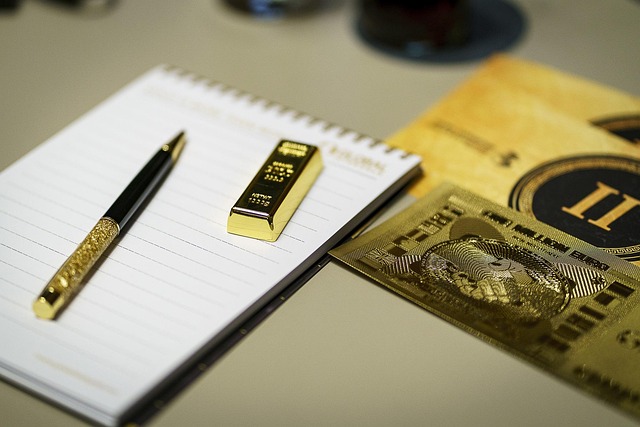
If you’re aiming for “movie villain chic,” this is your style. More gold for your buck (lower premium per ounce), but less practical for small transactions. Trying to sell a 1-kilo bar to cover a car repair is… awkward.
· Jewelry
Not an investment. Just… no. The craftsmanship markup is enormous, and reselling is a pain unless it’s a rare antique. But yes, it’s pretty.
B. Paper Gold: The Grown-Up’s Shortcut
Best for: investors who prefer efficiency over theatrics.
· Gold ETFs (like GLD or IAU)
These funds hold physical gold in vaults so you don’t have to. You get the price exposure without the paranoia of storing it under your floorboards. Low cost, highly liquid, and your biggest risk is forgetting you own it.
· Gold Mining Stocks
You’re not buying gold — you’re buying companies that dig it out of the ground. This adds layers of risk: management competence, mining disasters, political instability… It’s like gold investing with extra drama.
· Futures and Options
Welcome to the casino. Unless you’re a professional trader or enjoy losing sleep, steer clear. This is where gold speculation goes to get a adrenaline rush.
—
3. The Not-So-Shiny Side: Gold’s Drawbacks
Let’s temper the excitement with a splash of reality.
· It’s a Rock That Does Nothing
Gold pays no dividends. It generates no earnings. It just exists. That means there’s an opportunity cost — the money you put in gold isn’t growing in productive assets like businesses or real estate.
· Storage and Insurance Headaches
Physical gold needs a safe place. Safety deposit boxes cost money. Home safes attract awkward questions from your insurance agent. That “free” investment suddenly comes with a yearly bill.
· Volatility — Yes, Volatility
Despite its “safe haven” reputation, gold can have sharp swings. It’s not a smooth, predictable climb — more like a moody elevator in an old hotel.
—
4. A Sensible Strategy — Because You’re Not a Medieval King
You don’t need a dragon’s hoard. What you need is a balanced approach.
· Allocation: Keep It Small
Most financial experts suggest limiting gold to 5–10% of your total portfolio. It’s the spice — not the main course.
· Timing? Don’t Bother
Trying to market-time gold is like trying to guess the next trend in reality TV — exhausting and largely pointless. Consider dollar-cost averaging into a gold ETF if you want steady exposure.
· Know Your Why
Are you hedging against inflation? Diversifying? Preparing for doomsday? Your reason will determine the best way to own it.
— Doomsday prepper → physical coins.
— Pragmatic investor → ETFs.
— Thrill-seeker → mining stocks.
—
Conclusion: To Glitter or Not to Glitter?
Gold is neither a miracle nor a scam. It’s a tool — one of the oldest in the financial toolbox.
In small doses, it can bring balance, peace of mind, and a touch of historical grandeur to your portfolio.
In large doses, it can become a costly, unproductive obsession.
So go ahead — add a little shine if it suits your strategy.
Just remember: the true value of gold isn’t in the metal itself, but in the role it plays in a well-thought-out plan.
Now, if you’ll excuse me, I need to check if that “gold” coin I bought online actually passes the magnet test…
—
Disclaimer: This article is for educational and entertainment purposes only. It does not constitute financial advice. Please consult a qualified financial advisor before making any investment decisions. And maybe don’t bury your gold in the backyard — the neighbors might be watching.