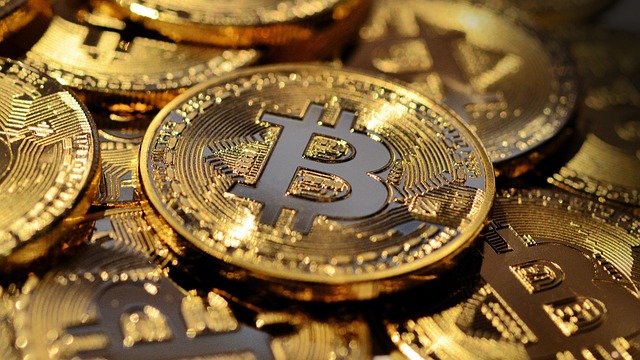
Let’s talk about our collective, several-thousand-year-old crush on a metal that, let’s be honest, is mostly good for making shiny things and convincing people we’re important. Gold. It’s the Kardashian of the periodic table: famous for being famous, doesn’t really do anything, and yet we can’t look away.
In the wild world of finance, where terms like “quantitative easing” and “derivatives” are thrown around to make us feel dumb, gold is refreshingly simple. You can hold it. It’s heavy. It doesn’t talk back. But is this charismatic lump of element 79 a wise investment, or are we all just moths to a very expensive, very yellow flame? Let’s dive into the vault and find out.
Part 1: The Case for the Defendant – Why Gold Doesn’t Suck
Before we start mocking its lack of dividends, let’s acknowledge why gold has been the go-to-guy for the paranoid and prosperous for millennia.
1. The “Holy Crap, The System is Falling Apart!” Insurance Policy.
When your news feed starts looking like the opening crawl of a dystopian movie—banks are wobbling,governments are printing money like it’s Monopoly night, and your crypto portfolio has decided to explore the center of the Earth—gold tends to perk up. It’s the ultimate financial prepper. It’s the canned beans and ammunition of your investment bunker. You sincerely hope you never need it, but it’s deeply comforting to know it’s there when things get weird.
2. The Inflation Hedge (Or, “Take That, You Worthless Paper!”).
The logic here is beautifully simple.Central banks can create more dollars, euros, or yen with the click of a button. They cannot, despite their best efforts, click a button and create a new vein of gold in Wyoming. It’s scarce. So, when the purchasing power of your life savings is eroding faster than a sandcastle at high tide, gold historically stands its ground. It’s a tangible asset in a world of digital promises and speculative nonsense.
3. The Portfolio’s Eccentric Uncle.
Diversification is just a fancy word for”not putting all your eggs in one basket.” If your stocks are the high-flying tech bros at the party (lots of growth, but prone to dramatic crashes), and your bonds are the boring accountants (stable, but kind of a buzzkill), then gold is the mysterious uncle who shows up in a linen suit, tells fascinating stories, and somehow always has a getaway car ready. It doesn’t move in sync with other assets, which can be a godsend when the rest of your portfolio is doing the financial equivalent of the Macarena.
Part 2: How to Get Your Grubby Hands on Some Glitter
Okay, you’re intrigued. You want a piece of the shiny pie. How do you, a modern investor, actually go about it? Here’s your menu, from the simple to the absurdly complex.
1. The Pirate’s Booty: Physical Gold.
For the romantic,the doomsayer, and anyone who just likes the feel of cold, hard currency.
· Coins (Eagles, Krugerrands, etc.): The classic choice. Recognizable, liquid, and makes you feel like a modern-day pirate. Downside? You pay a premium over the “spot price,” and you now have a very dense, very steal-able asset to worry about. (Pro tip: the cookie jar is not a secure location).
· Bars: For when you want to feel like a Bond villain stroking a white cat. More cost-effective per ounce than coins, but try buying groceries with a 1-kilo bar and see how that goes.
· Jewelry: This is an emotional purchase, not an investment. The markup is astronomical. You’re paying for craftsmanship and sentiment, not metal weight.
2. The Paper Pusher’s Shortcut: Gold ETFs.
For those of us who don’t own a vault,there’s magic like the SPDR Gold Shares (GLD). Buying a share of GLD is like owning a microscopic slice of a giant gold bar sitting in a secure London vault. It’s incredibly easy, liquid, and you don’t have to worry about a burglar with a taste for the finer things. The downside? It’s profoundly unsexy. You can’t impress a date with your digital ETF holdings.
3. The Gambler’s Table: Gold Miners and Futures.
This is where we put on the hard hats and enter the casino.
· Mining Stocks: You’re not buying gold; you’re buying companies that dig for gold. This is a leveraged bet. If gold goes up 10%, a good miner’s stock might go up 30%. But you’re also betting on management competence, political stability in far-off lands, and the company not accidentally digging into a dragon’s lair. It’s stock-picking with a pickaxe.
· Futures & Options: Let’s not. This is the realm of professionals and masochists. It’s a fantastic way to turn a large amount of money into a very small, very sad amount of money. If you don’t know what “contango” means, just walk away.
Part 3: The Tarnish – Why Gold Can Be a Royal Pain
Gold isn’t a perfect angel. It has flaws that would make a therapist rich.
· The “Sleeping Beauty” Asset: Gold pays you nothing. No dividends. No interest. It just sits there, being beautiful and useless. While your money is in gold, it’s not in a growing company, earning compound interest. This “opportunity cost” is real.
· It’s Volatile, Baby: Don’t let its “safe haven” reputation fool you. Gold can have wild mood swings. It can plunge for years, testing your conviction and your patience. It’s a safe haven that occasionally decides to take a multi-year vacation.
· The Storage Situation: Physical gold needs a home. A safety deposit box costs money. A home safe costs money and might raise your insurance premium. That “free” investment suddenly comes with a yearly bill.
The Final, Unshakable Verdict: To Glitter or Not to Glitter?
So, after all this, what’s the sensible, slightly cynical takeaway?
Think of gold not as the main course of your investment dinner, but as the hot sauce. You wouldn’t drink a bottle of Sriracha, but a few dashes can make the whole meal more resilient and interesting.
A small, deliberate allocation—say, 5% of your portfolio—acts as brilliant insurance and a diversifier. It’s the part of your wealth that doesn’t care about earnings reports or interest rate hikes. It’s the financial equivalent of a good backup generator: silent most of the time, but a lifesaver when the power goes out.
The bottom line: Don’t bet your fortune on gold. But dismissing it entirely is like refusing to buy fire insurance because your house hasn’t burned down yet. In a world of digital abstraction, there’s a primal comfort in owning something that has been valued for 5,000 years.
Now, if you’ll excuse me, I need to go have a meaningful conversation with my… uh… collection of highly conductive metal assets. They get moody if I ignore them.
—