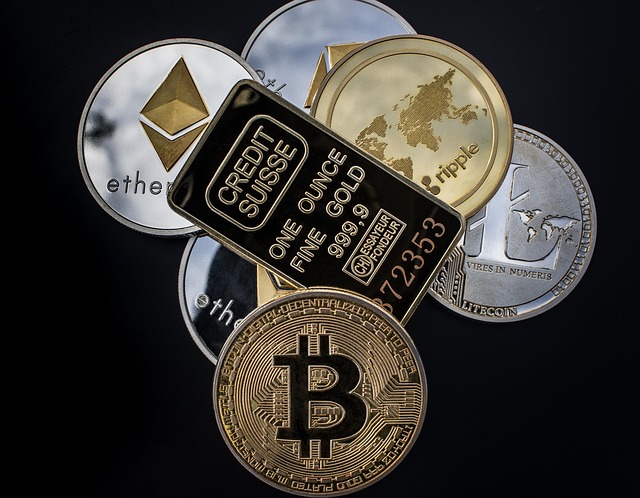
Let’s talk about gold — the metal that makes pirates, central bankers, and your eccentric aunt with a safe under the floorboards feel equally important. It’s been a symbol of power, a cause of wars, and the reason someone, somewhere, decided it was a good idea to dig deep into the earth just to find something shiny.
In investing terms, gold is the ultimate drama queen. It doesn’t generate cash flow. It doesn’t innovate. It just sits there — gleaming, judgmental, and utterly unimpressed by your stock portfolio. So why do so many otherwise-sane people treat it like financial holy grail? Let’s dig in (pun very much intended).
—
Chapter 1: Why Gold? — Or, How to Justify Your Love for a Metal That Does Nothing
1. The “End of the World” Insurance Policy
When things go south — think inflation spikes, geopolitical tantrums, or the general sense that society might be unraveling — gold often becomes everyone’s favorite shiny security blanket. While stocks are crashing and bonds are sulking, gold can actually go up. It’s the asset you want around when the zombies come — or when the central banks start printing money like there’s no tomorrow.
2. The “I Don’t Trust Anyone” Play
Gold doesn’t require a counterparty to keep its promise. It doesn’t care who’s in power. It won’t default. It’s the ultimate expression of financial independence — provided you can keep it safe from, you know, actual humans who also like shiny things.
3. The Inflation Hedge (Sort Of)
The story goes: while governments can print money, they can’t print gold. So when your cash is losing value faster than a snowman in the Sahara, gold should — in theory — hold its own. Just don’t look too closely at those multi-year periods where it did absolutely nothing. Ahem.
—
Chapter 2: How to Own the Glitter — Without Losing Your Shirt
Option 1: Physical Gold — For Pirates and Preppers
We’re talking coins, bars, or that suspiciously heavy jewelry your grandma left you.
· Pros: You can touch it. You can hide it. You can theoretically use it as a weapon in a home invasion (not recommended).
· Cons: Storage costs, insurance, and the awkward moment when you try to sell a gold bar to your local bank and they look at you like you just offered them a pet dragon.
Option 2: Gold ETFs — For People Who Preef er Their Assets Digital
With something like the SPDR Gold Shares (GLD), you own a slice of gold held in a vault somewhere — probably London, possibly guarded by men with excellent accents.
· Pros: No safes required. Highly liquid. Lets you feel sophisticated without the paranoia.
· Cons: You can’t impress dates by handing them a share certificate. “Look, honey, I own 0.0001% of a bar in London!” doesn’t have the same ring to it.
Option 3: Gold Mining Stocks — Because Why Own the Rock When You Can Own the Pickaxe?
Buying shares in gold miners is like betting on the horse, not the race. If gold prices rise, well-run miners can soar. But you’re also betting on management competence, political stability, and the general absence of mining disasters.
· Pros: Leverage to gold prices, potential dividends.
· Cons: These stocks can be more volatile than a reality TV marriage.
Option 4: Gold Futures and Options — For When You’re Feeling Extremely Brave (or Reckless)
Let’s be clear: this is the deep end of the pool. If you don’t know what contango is, walk away slowly. No sudden movements.
—
Chapter 3: The Uncomfortable Truths — Or, Why Gold Can Be a Heartbreaker
1. It Pays You Nothing
Gold is the ultimate freeloader. It just sits there, looking pretty, while stocks pay dividends and bonds pay interest. Your gold bar won’t send you a check — unless you melt it down and mail pieces to yourself, which is… not a strategy we recommend.
2. It’s Volatile
Don’t let its “safe haven” reputation fool you. Gold can have temper tantrums. It can go down for years. It can test your patience, your faith, and your financial planner’s ability to keep a straight face.
3. Storage and Security
If you go the physical route, you’ll need a safe. And possibly a guard dog. And maybe a moat. All of which cost money — because gold may be free of counterparty risk, but it’s not free of reality.
—
Chapter 4: So… Should You Buy It?
Here’s the honest, slightly cynical, but hopefully helpful take:
· Gold is a portfolio condiment, not the main course. A little sprinkle — say, 5% — can add diversification and peace of mind. A heaping spoonful can lead to indigestion.
· It’s insurance, not an investment. You don’t buy fire insurance hoping your house will burn down. Similarly, you don’t buy gold hoping for the apocalypse — you buy it just in case.
· Timing it is a fool’s errand. Even the experts can’t consistently predict gold prices. If they could, they’d be on a private island, not on TV.
—
Final Word: Shine On, You Crazy Metal
Gold is beautiful,古老, and deeply irrational. It’s a rock we’ve all agreed is valuable — which, when you think about it, is both absurd and magnificent.
So if you decide to buy some, do it with clarity: not to get rich quick, but to sleep better at night. And if anyone questions you, just tell them you’re preserving wealth in a time of unprecedented uncertainty. Then wink, and walk away slowly.
Now, if you’ll excuse me, I’ve got a date with my safe — I mean, my digital gold ETF account. Same thing, really.
—
Disclaimer: This article is for educational and entertainment purposes only. It is not financial advice. Please do not melt down your jewelry based on anything you read here. Or do. I’m a writer, not a financial planner.