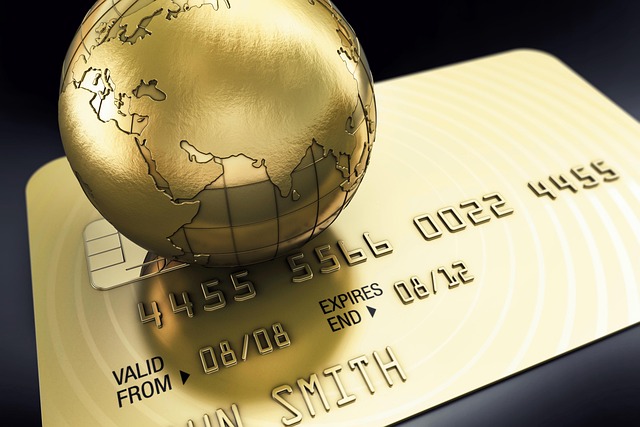
Let’s talk about gold. That shiny, yellow, indestructible metal that has been driving humans crazy with desire since a cavman first stumbled upon a nugget and thought, “Ooh, pretty.” It’s been the cause of rushes, the root of empires, and the standard by which we measure a truly successful pirate.
But in today’s world of crypto-kitties, NFTs, and meme stocks, does this ancient relic still have a place in your portfolio? Or are you just digging a hole for your money that’s fancier than most? Strap in, because we’re about to go panning for financial truths—and hopefully have a laugh along the way.
Part 1: Why Gold? The Case for the Original Rock Star
Before we get into the “how,” let’s talk about the “why.” Why does this particular element, atomic number 79, hold such sway over us?
1. The Drama Queen of Assets: A Safe Haven in a Storm
When the world goes to pot,gold shines. Stock market crashing? Pandemic sweeping the globe? Politicians acting like teenagers on reality TV? In times of sheer panic, investors perform what is known as a “flight to quality.” They sell their risky stocks and run towards something they perceive as safe. And for millennia, that something has been gold. It’s the financial equivalent of hiding under a solid oak table during a hurricane. It might not be exciting, but it feels a whole lot safer than standing outside.
2. The Granddollar of Inflation Hedging
Imagine you had a time machine and went back to 1920 with a$100 bill. You could have bought a fine suit, a nice hat, and probably a small car. Now, bring that $100 bill to 2024. You might get the hat. This is inflation—the silent thief that erodes your purchasing power. Gold, however, has a pretty good track record of keeping up. While the value of paper currency can be printed into oblivion, you can’t print gold (despite what alchemists claimed). It’s a tangible store of value that says, “Your paper money is just a promise; I am the real deal.”
3. It Doesn’t Play Well with Others (Low Correlation)
In the world of investing,”diversification” is your best friend. It’s the financial version of not putting all your eggs in one basket. Gold has a beautiful characteristic: it often zigs when the stock market zags. When tech stocks are tanking, gold might be having a party. This doesn’t happen all the time, but when it does, it can smooth out your portfolio’s rollercoaster ride, preventing you from losing your lunch (and your net worth) during a downturn.
Part 2. The Golden Smorgasbord: How to Get Your Hands on Some
So, you’re convinced. You want a piece of the rock. How do you get it? You have options, from the wildly simple to the comically complex.
1. The Pirate’s Choice: Physical Gold
This is for those who get a thrill from holding a piece of history.We’re talking coins (like the American Eagle or Canadian Maple Leaf) and bars (from a cute 1-gram bar to a “good luck moving this” 400-ounce brick).
· The Good: It’s real. You can touch it, bite it (though we don’t recommend it), and hide it in your backyard from… you know… them.
· The Bad: It comes with hassles. You need a secure safe (not the cookie tin in the pantry). You have to insure it. There’s a “spread” between the buy and sell price, meaning it has to appreciate just for you to break even. And if you ever need to sell a large bar, good luck finding a buyer who isn’t a supervillain.
2. The Paper Pusher’s Shortcut: Gold ETFs
For the rest of us who don’t have a personal vault,there’s the Gold ETF (Exchange-Traded Fund). The most popular is the SPDR Gold Shares (GLD). When you buy a share of GLD, the fund holds actual physical gold in a massive London vault on your behalf.
· The Good: It’s incredibly easy. You buy and sell it like a stock from your brokerage app. No safes, no insurance, no worries about authenticity.
· The Bad: You never get to touch the gold. You own a paper claim to it. It’s like owning a title to a castle you’ll never visit. Also, there’s a small annual fee (expense ratio) for the convenience.
3. The Gambler’s Game: Gold Mining Stocks
This is where things get spicy.Instead of buying the metal, you buy shares in companies that dig it out of the ground.
· The Good: Leverage. If the price of gold goes up 10%, a mining company’s profits might go up 30%, and its stock could soar. It’s like adding rocket fuel to your gold investment.
· The Bad: You’re not just betting on gold; you’re betting on a company. A mining strike, a costly accident, bad management, or an environmental disaster can sink the stock even if the gold price is rising. You’ve traded a pure gold bet for a business bet.
4. The Digital Alchemist: Crypto-Gold Tokens
For the truly modern investor,there are now digital tokens backed by physical gold. It’s like an ETF on the blockchain.
· The Good: Combines the ancient value of gold with the efficiency of crypto.
· The Bad: You now have the volatility of crypto and the stability of gold in one asset. It’s a strange hybrid that’s still proving itself.
Part 3. The Golden Rules: A Dose of Reality
Before you mortgage your house for a gold-filled swimming pool, let’s get real.
· It’s a Insurance Policy, Not a Growth Stock: Gold is brilliant at preserving wealth; it’s mediocre at creating it. Over the very long term, a productive asset like the S&P 500 will almost certainly leave it in the dust. Think of gold as the anchor for your investment ship—it keeps you from drifting away in a storm, but it doesn’t provide the forward thrust. A 5-10% allocation is a common suggestion.
· It Pays You Nothing: Unlike a stock that pays dividends or a bond that pays interest, gold is a sterile asset. It just sits there, being shiny. Its entire return is based on what someone else is willing to pay for it in the future. Warren Buffett famously pointed out that you could take all the gold in the world and it would form a cube, and you could look at it and… that’s it. It won’t produce anything for you.
· Timing is (Almost) Everything: Buying gold at the peak of a fear-driven frenzy is a great way to lose money. The best time to buy insurance is before the house catches fire. The same goes for gold. Adding to your position when things are calm and prices are lower is often wiser than piling in when the headlines are screaming.
The Verdict: To Glitter or Not to Glitter?
So, is gold a fool’s game or a savvy move? The answer, frustratingly, is both. It’s a fool’s game if you think it’s a get-rich-quick scheme or if you bet the farm on it. It’s a savvy move if you use it as a diversifier, a hedge, and a foundational, non-correlated asset in a well-balanced portfolio.
In the end, gold is less about making a fortune and more about keeping the fortune you have. It’s the stoic, silent guardian of your wealth, the one asset that doesn’t care about quarterly earnings reports or CEO tweets. It has survived empires, wars, and the invention of the fidget spinner. And in a world of digital uncertainty, that kind of ancient, tangible permanence might just be the sanest investment you can make.
Now, if you’ll excuse me, I need to go check on my gold… ETF. My brokerage app is calling.